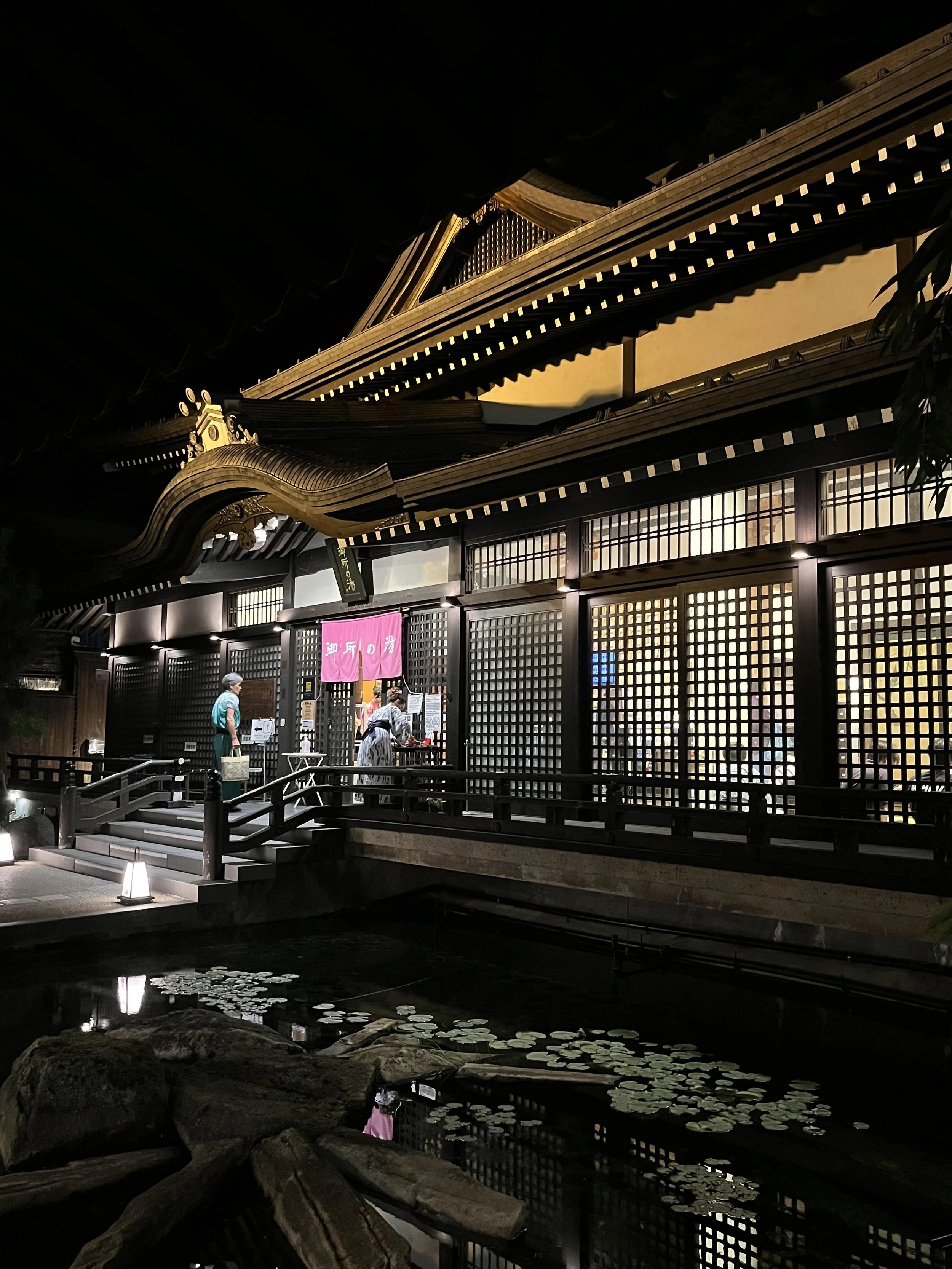
Nishimuraya, Kinosaki Onsen- Japanese Home Cooking and Sweets Class in Tokyo
Kinosaki Onsen is one of Japan’s most renowned hot spring towns, located in Toyooka City, Hyogo Prefecture in Japan. Its greatest attraction is visiting the town’s seven public bathhouses, known as sotoyu, along the beautiful Otani River, lined with willow trees and crossed by picturesque stone bridges.
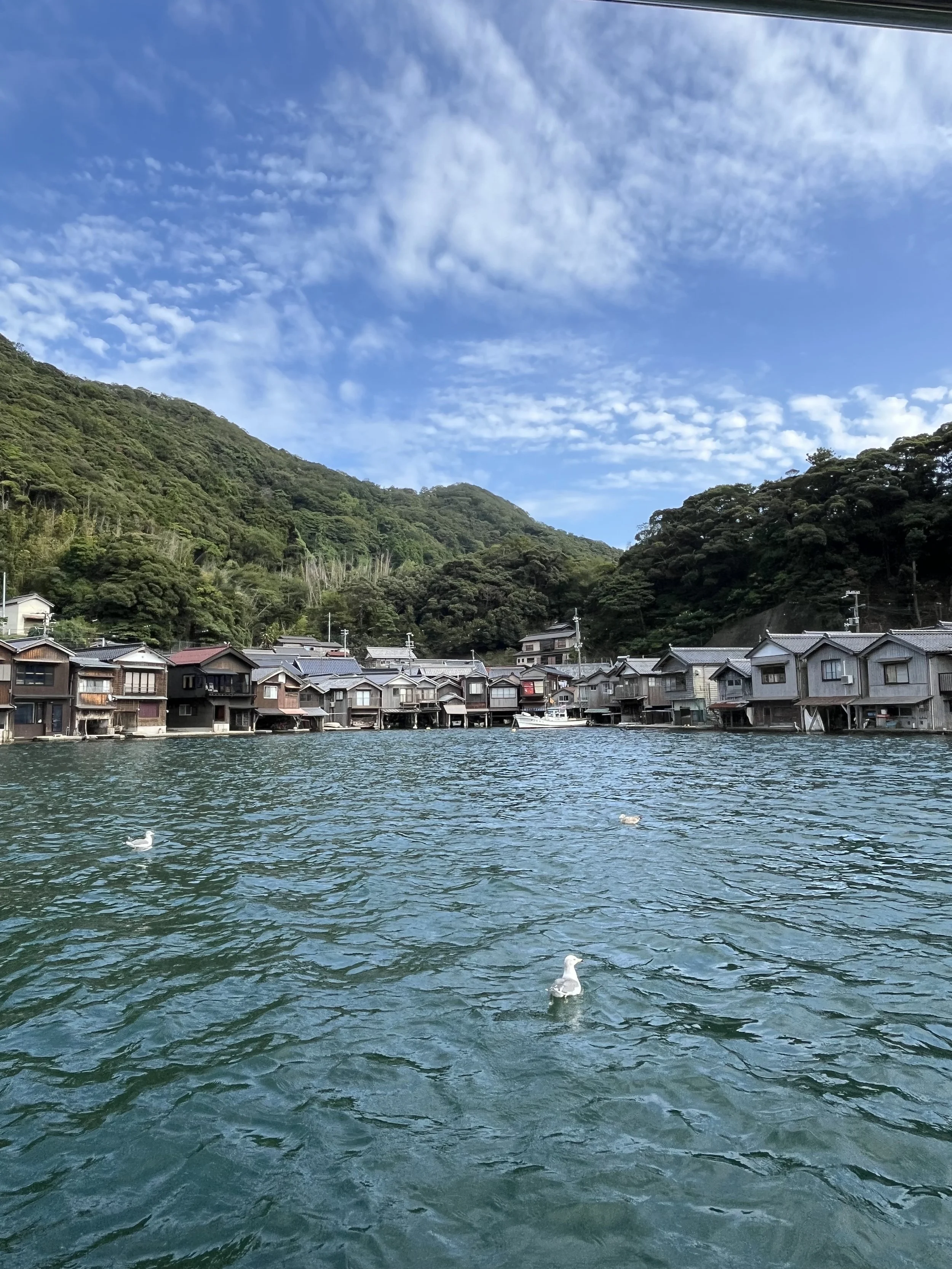
Ine Funaya Boathouses in JAPAN- Japanese Home Cooking and Sweets Class in Tokyo
Ine’s traditional boathouses: Ine no Funaya is a picturesque village of traditional boathouses in Kyoto.
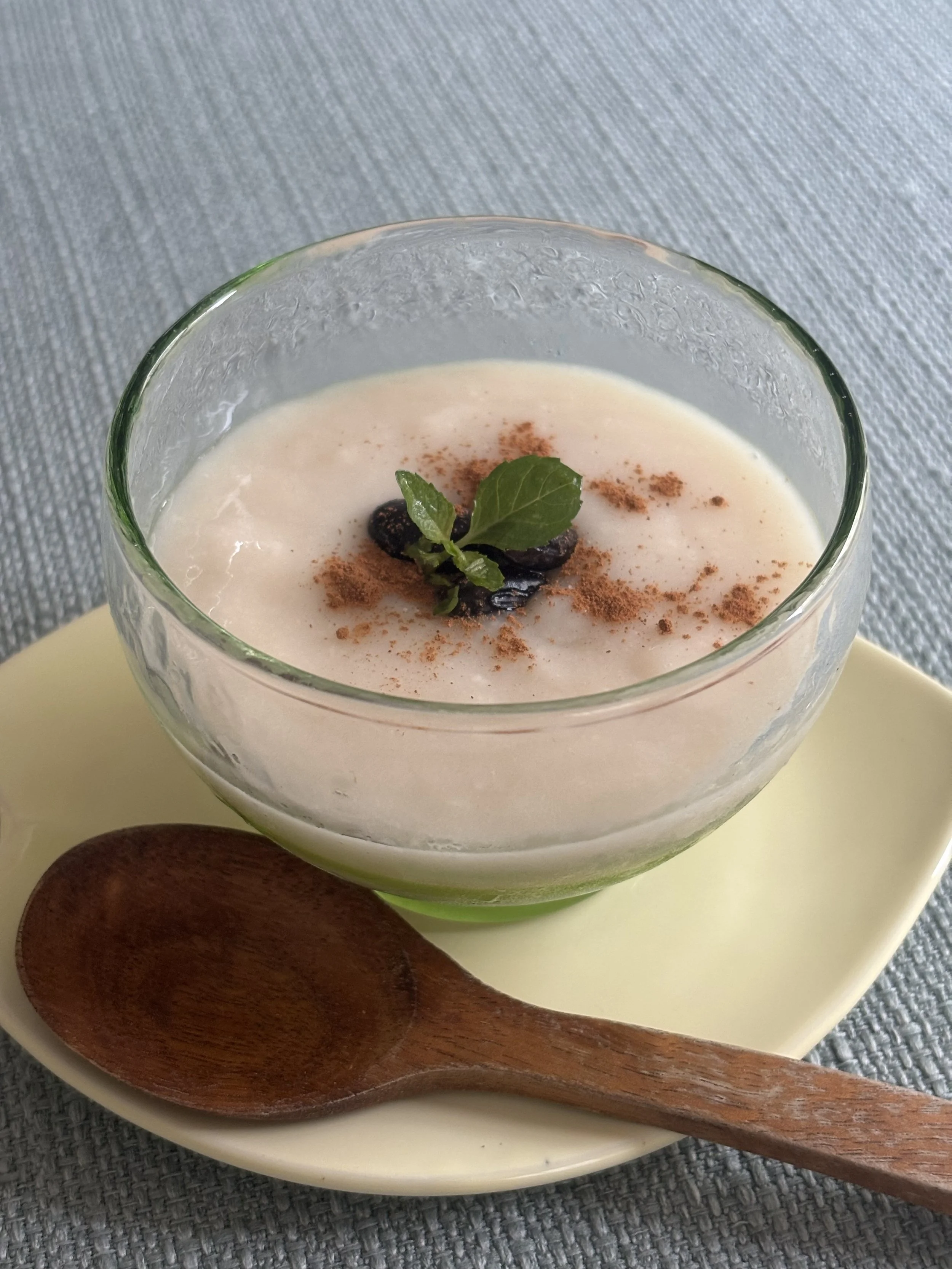
Homemade AMAZAKE- Japanese Home Cooking and Sweets Class in Tokyo
Amazake is a traditional Japanese sweet drink made from rice and rice malt, or sake lees, and it is so nutritious that it is sometimes called a drinkable IV. Although its name contains the word sake, the type made from rice malt is basically non-alcoholic, so both children and adults can enjoy it safely.
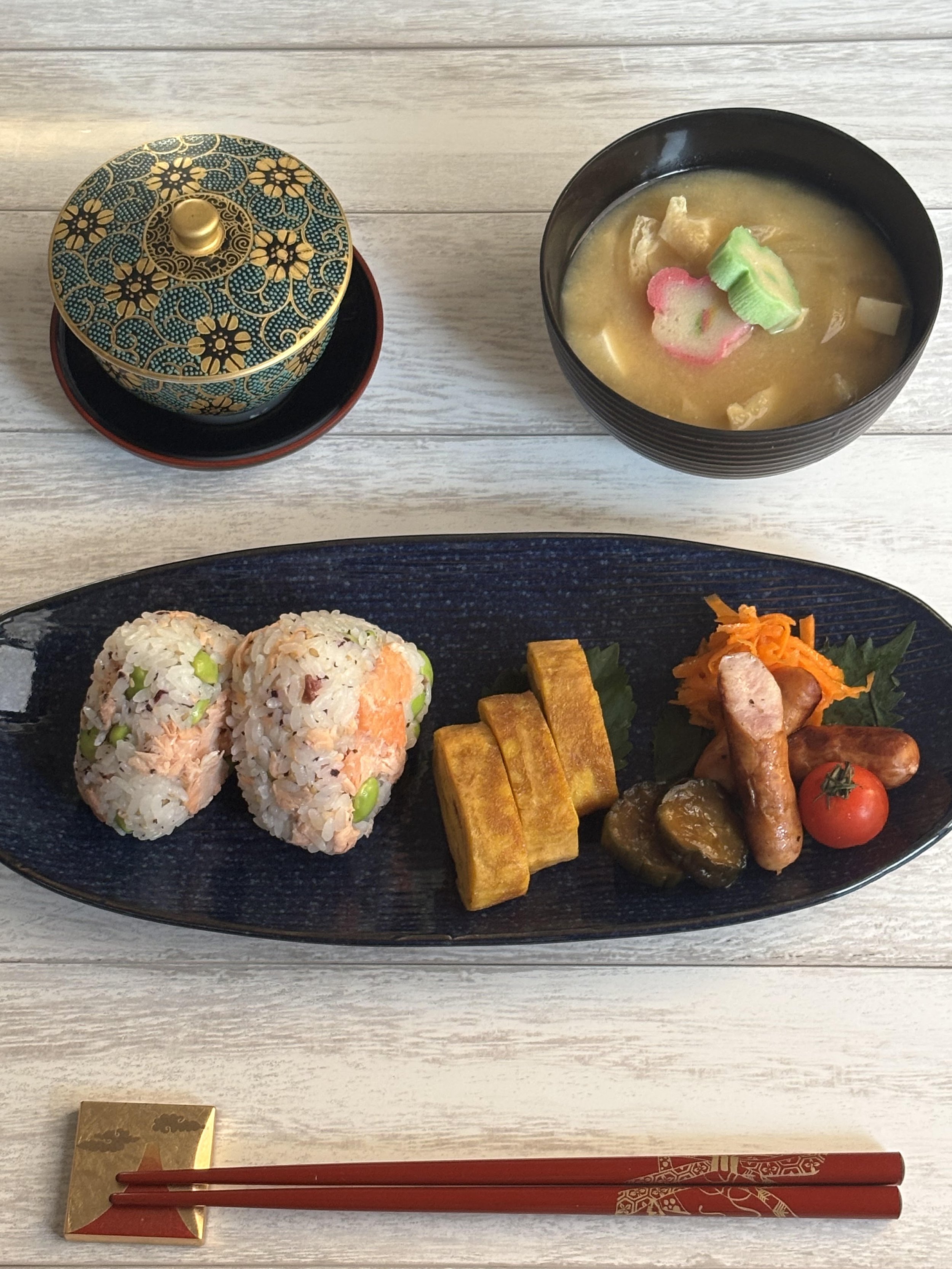
ONIGIRI lunch- Japanese Home Cooking and Sweets Class in Tokyo
A classic Japanese onigiri lunch-colorful, well-balanced, and easy to enjoy. Simple yet comforting, this is the true taste of Japanese home cooking.
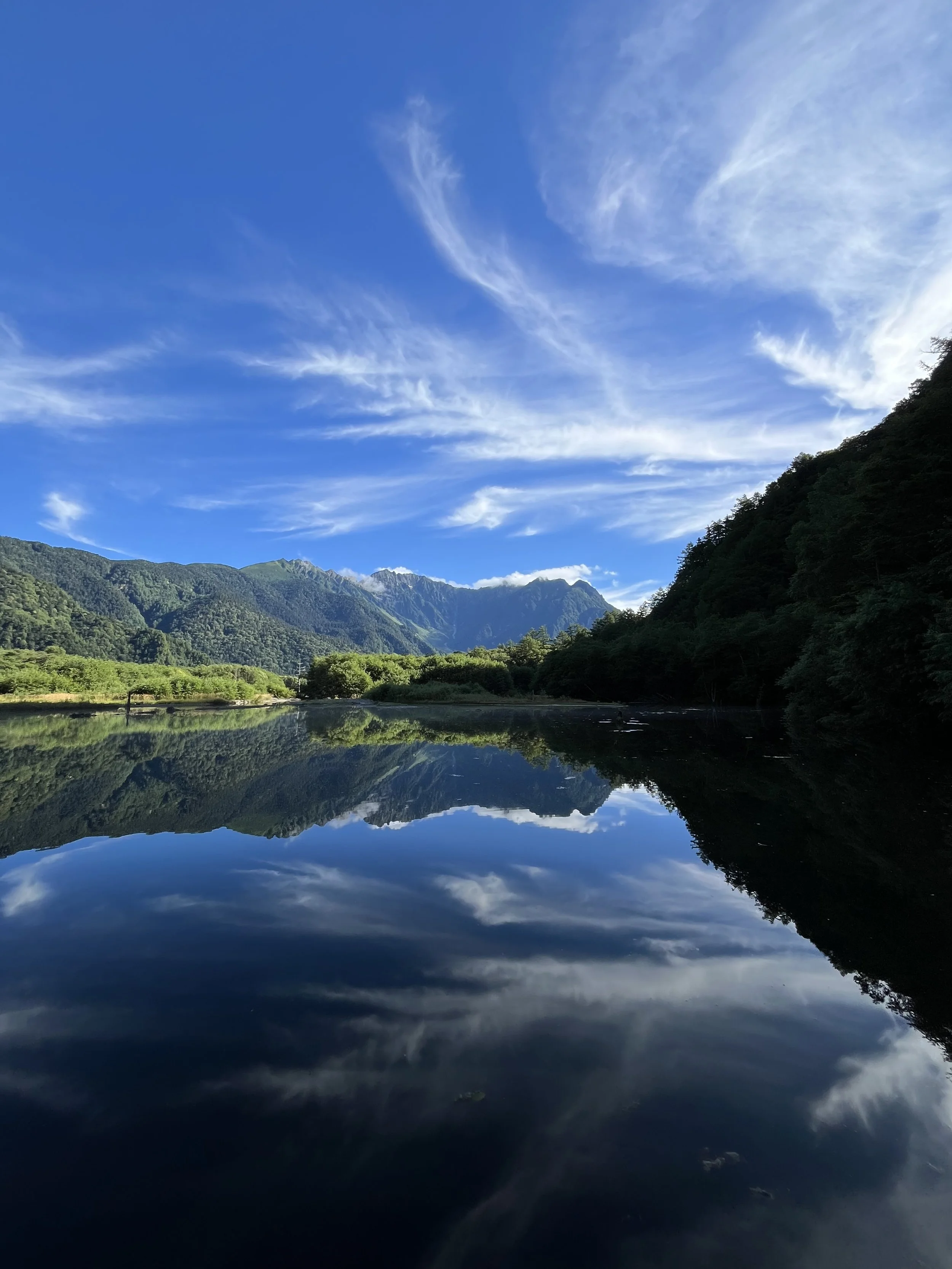
上高地, Nagano- Japanese Home Cooking and Sweets Class in Tokyo
Kamikochi is a scenic mountain area located in Matsumoto, Nagano Prefecture in Japan, at an elevation of about 1,500 meters. It is designated as both a Special Place of Scenic Beauty and a Special Natural Monument of Japan. Its pristine natural beauty and breathtaking scenery attract visitors from around the world.
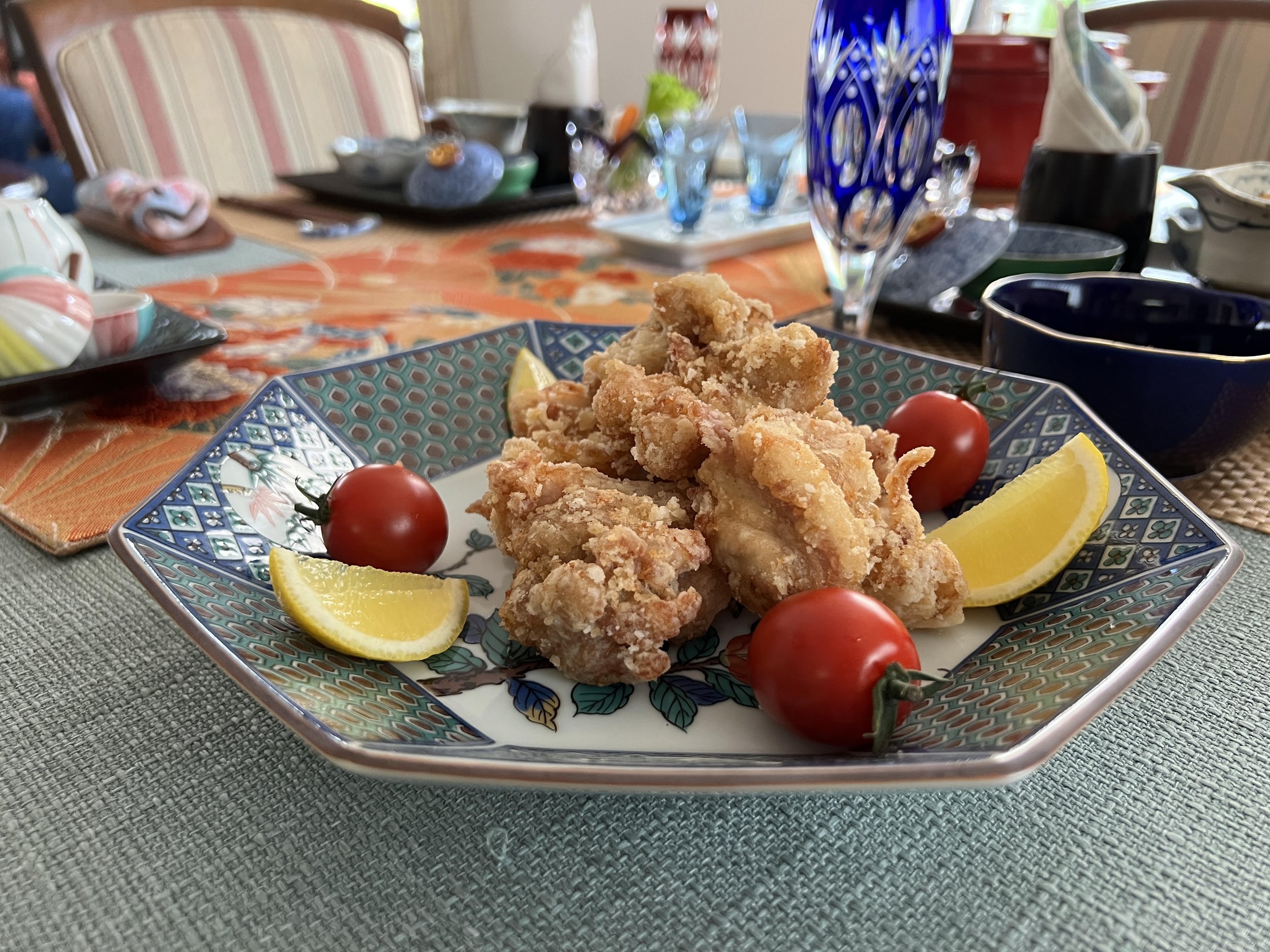
Japanese fried chicken- Japanese Home Cooking and Sweets Class in Tokyo
Fried chicken is one of the classic “mother’s taste” dishes in Japanese home cooking. It is often made at home and is also a staple side dish in lunch boxes in Japan.
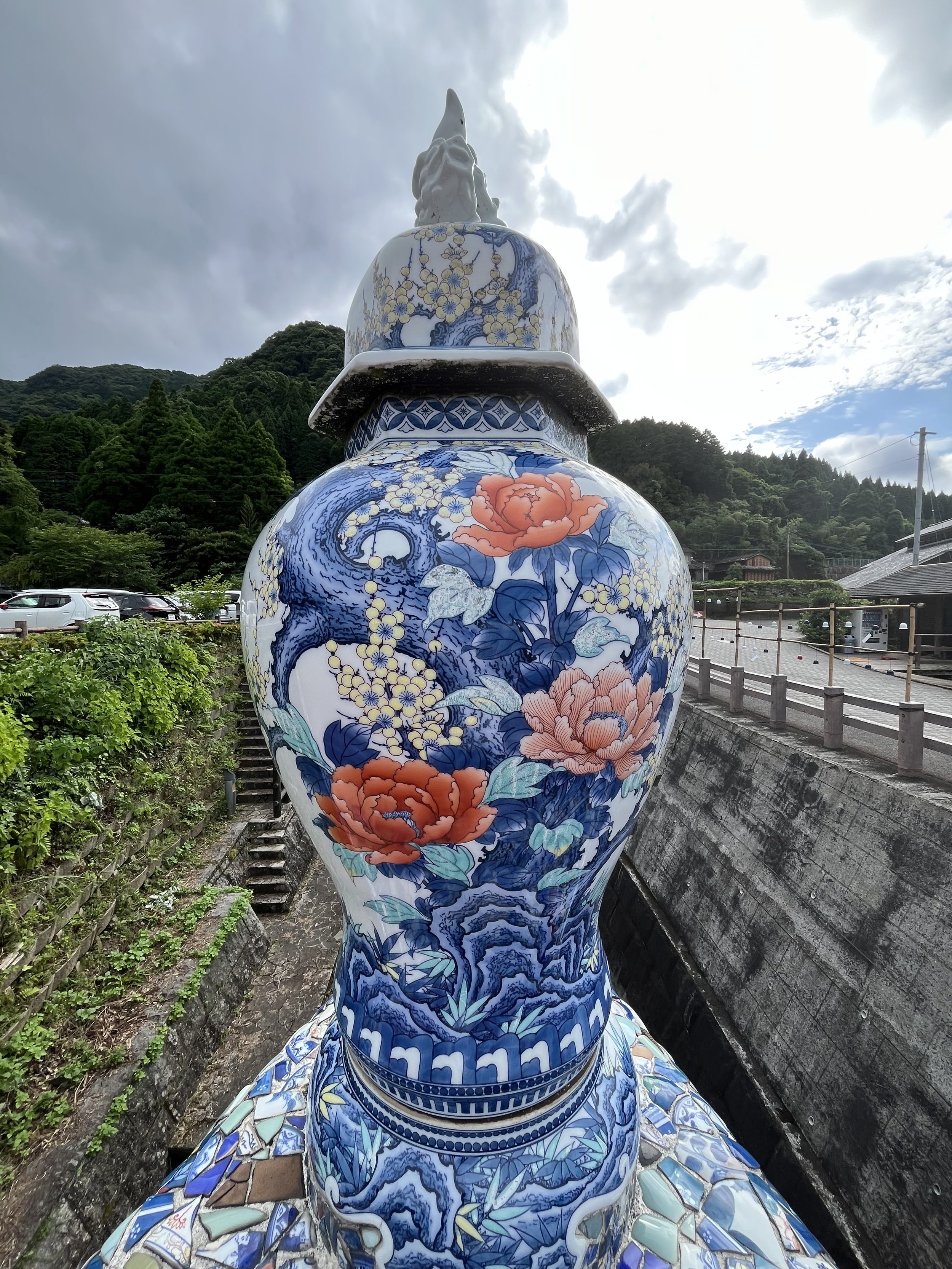
Arita Imari Japanese Ware- Japanese Home Cooking and Sweets Class in Tokyo
Both “Arita ware” and “Imari ware” are representative Japanese porcelain produced in Saga Prefecture (Hizen Province).
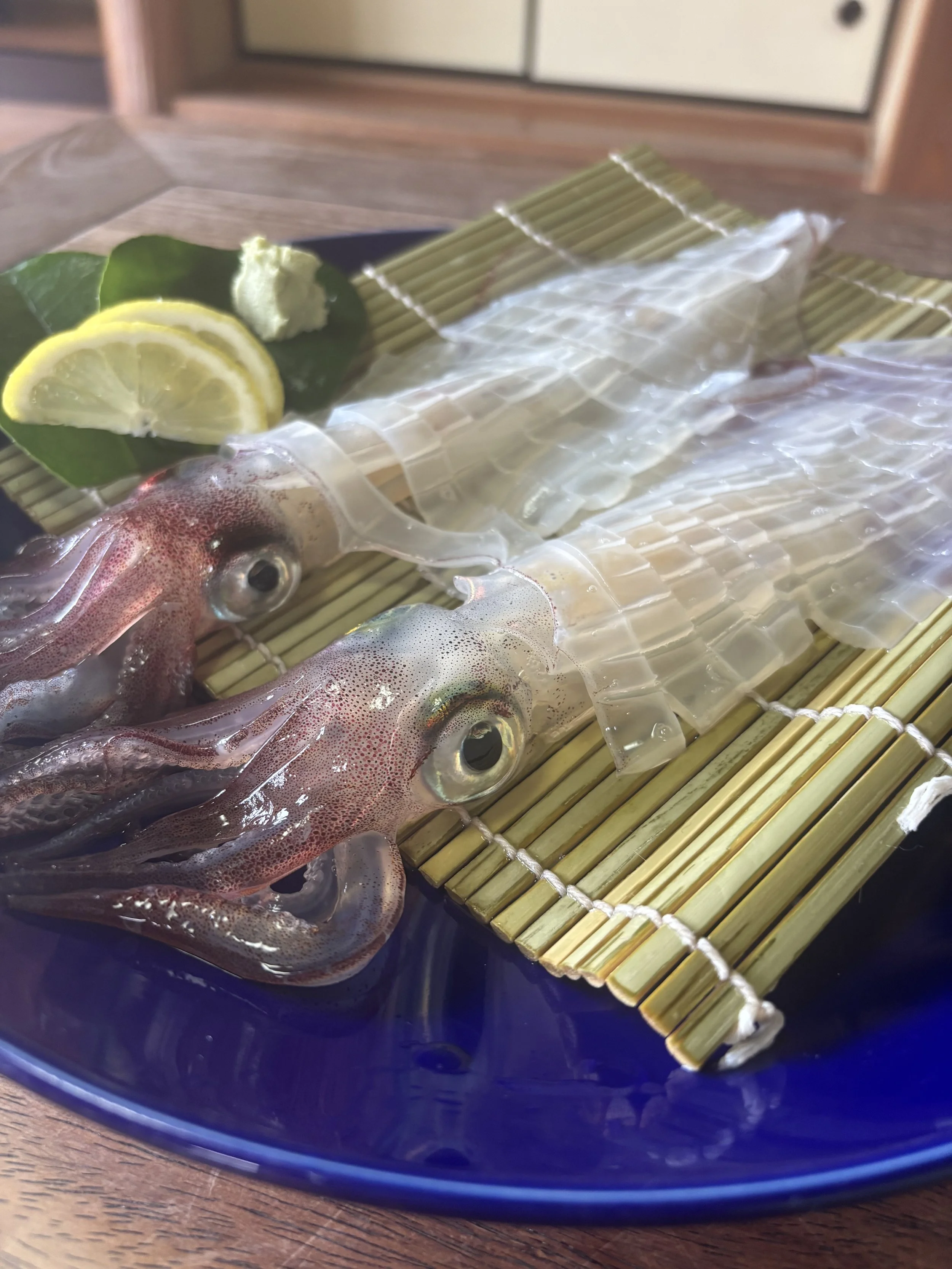
Yobuko squid in Saga- Japanese Home Cooking and Sweets Class in Tokyo
“Yobuko,” the “Town of Squid,” is located in Karatsu City, Saga Prefecture.
Yobuko, famous throughout Japan, is beloved by many as a place that offers fresh, top-quality, delicious squid.
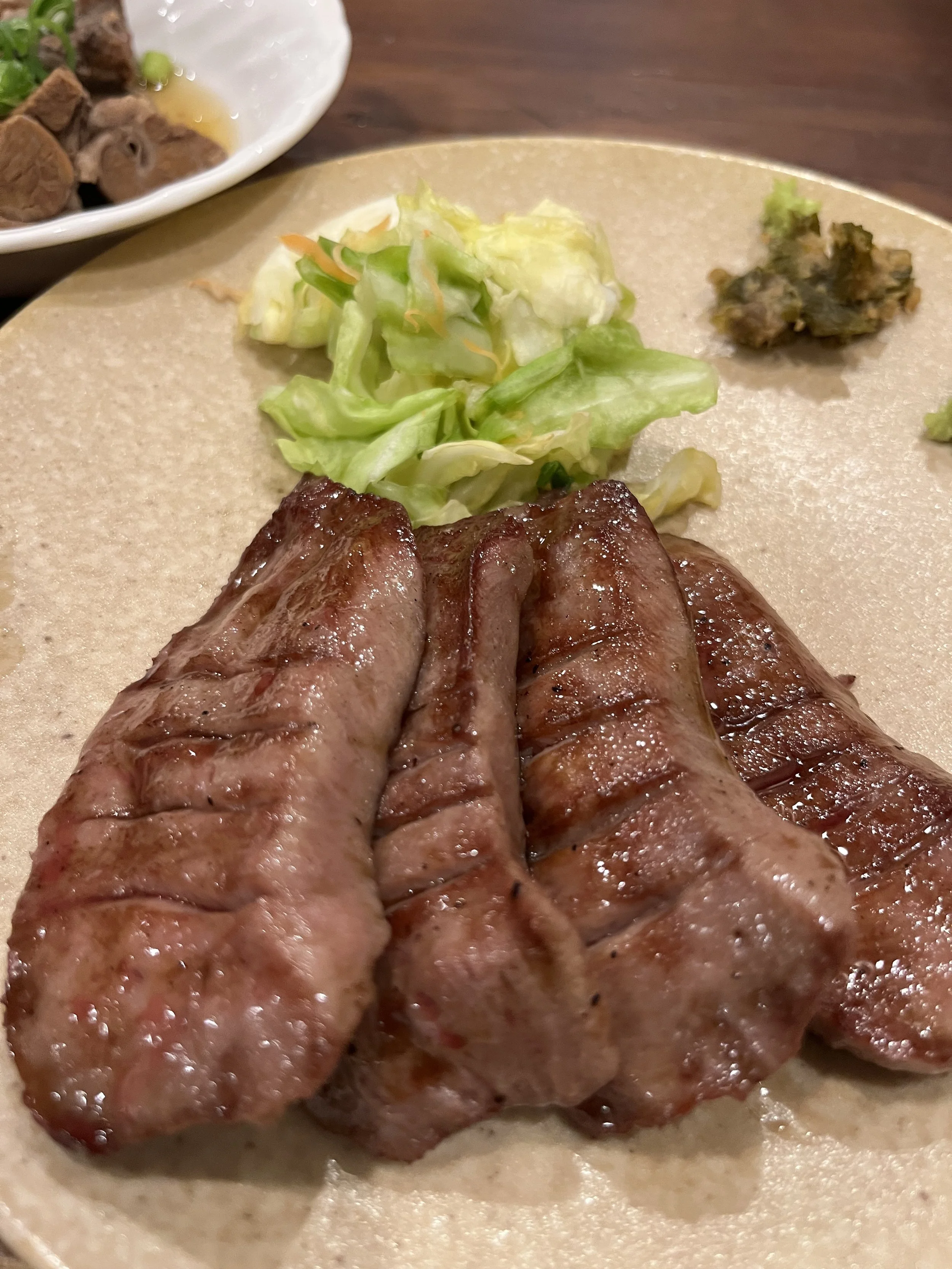
Gyutan and Matsushima (One of Japan's Three Most Scenic Views)- Japanese Home Cooking and Sweets Class in Tokyo
A trip to enjoy gyutan and visit Matsushima, MIyagi prefecture in Japan.
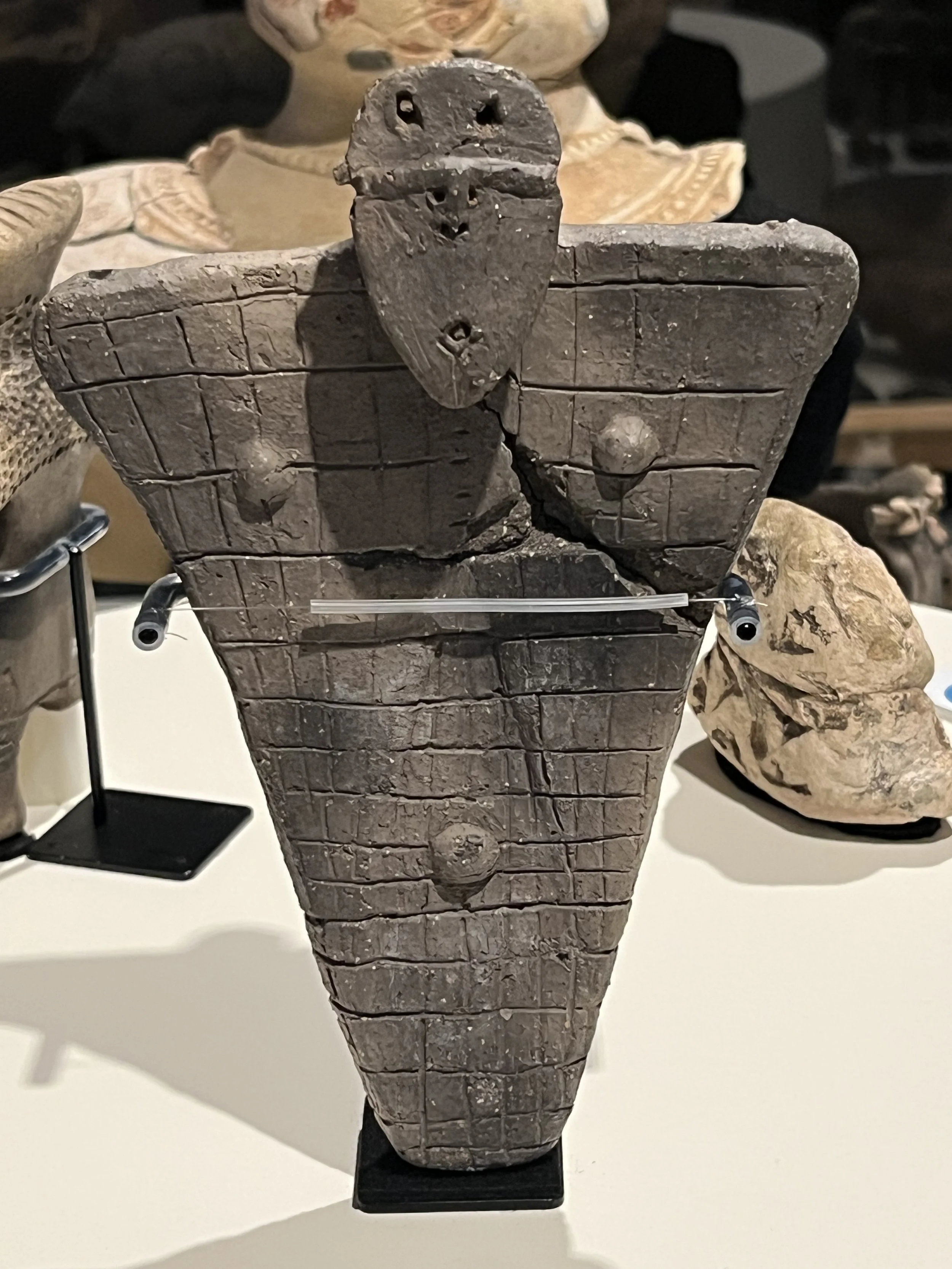
World Heritage- Akita prefecture-Japanese Home Cooking and Sweets Class in Tokyo
Akita Prefecture boasts significant ceremonial sites featuring Jomon-era stone circles as their main components. The accompanying guidance centers offer a profound look into Jomon-period rituals and ceremonies through excavated archaeological finds. These properties are officially inscribed on the UNESCO World Heritage list.
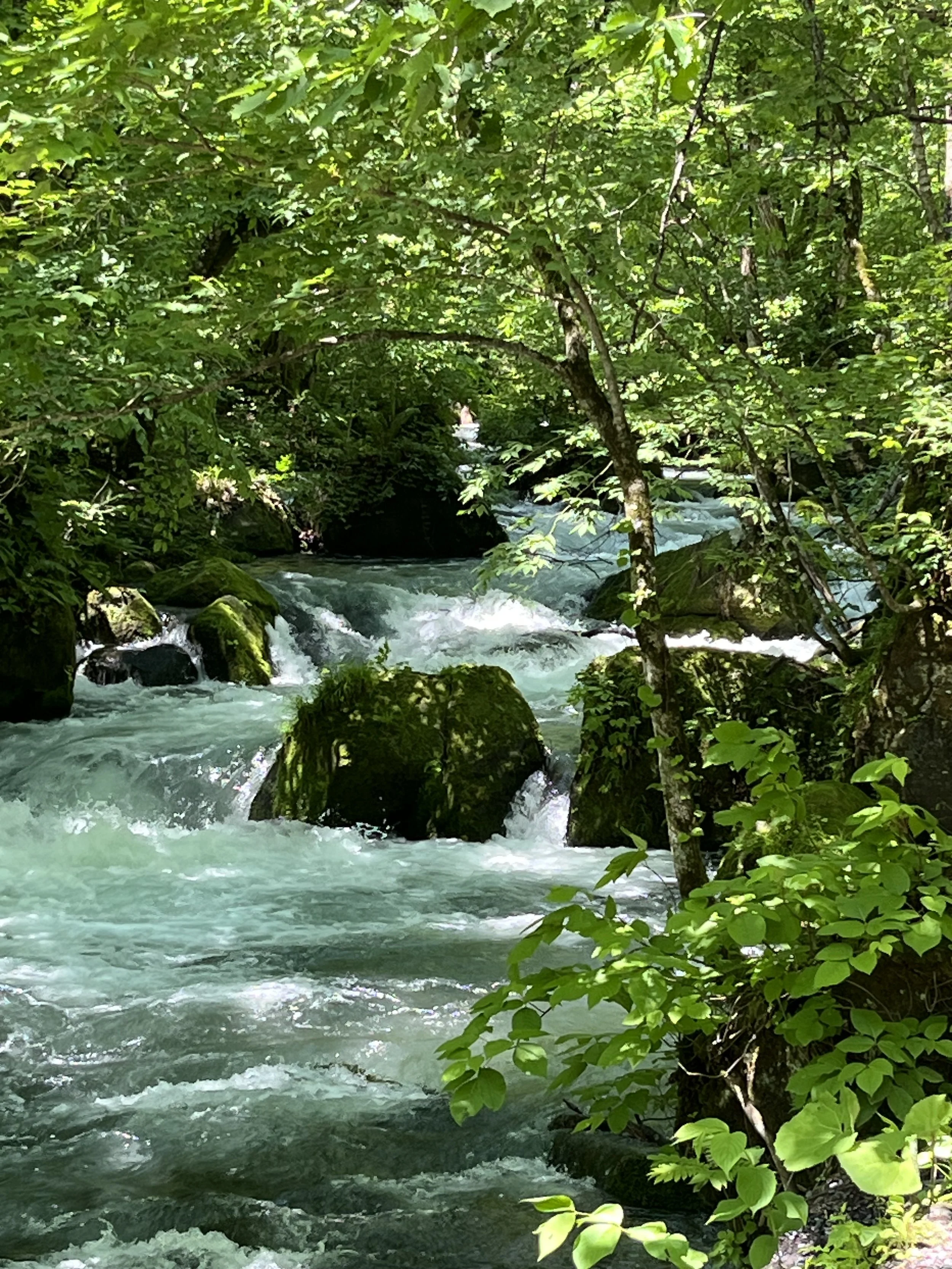
Oirase Stream, Aomori prefecture trip- Japanese Home Cooking and Sweets Class in Tokyo
The Tohoku region of Japan is currently in a beautiful season, with rice planting now largely complete and the landscape enveloped in lush, fresh greenery. This is the perfect time to fully enjoy the seasonal spring delicacies and fresh seafood unique to this time of year. With convenient access—just a one-hour flight from Haneda Airport—why not take this opportunity to visit?
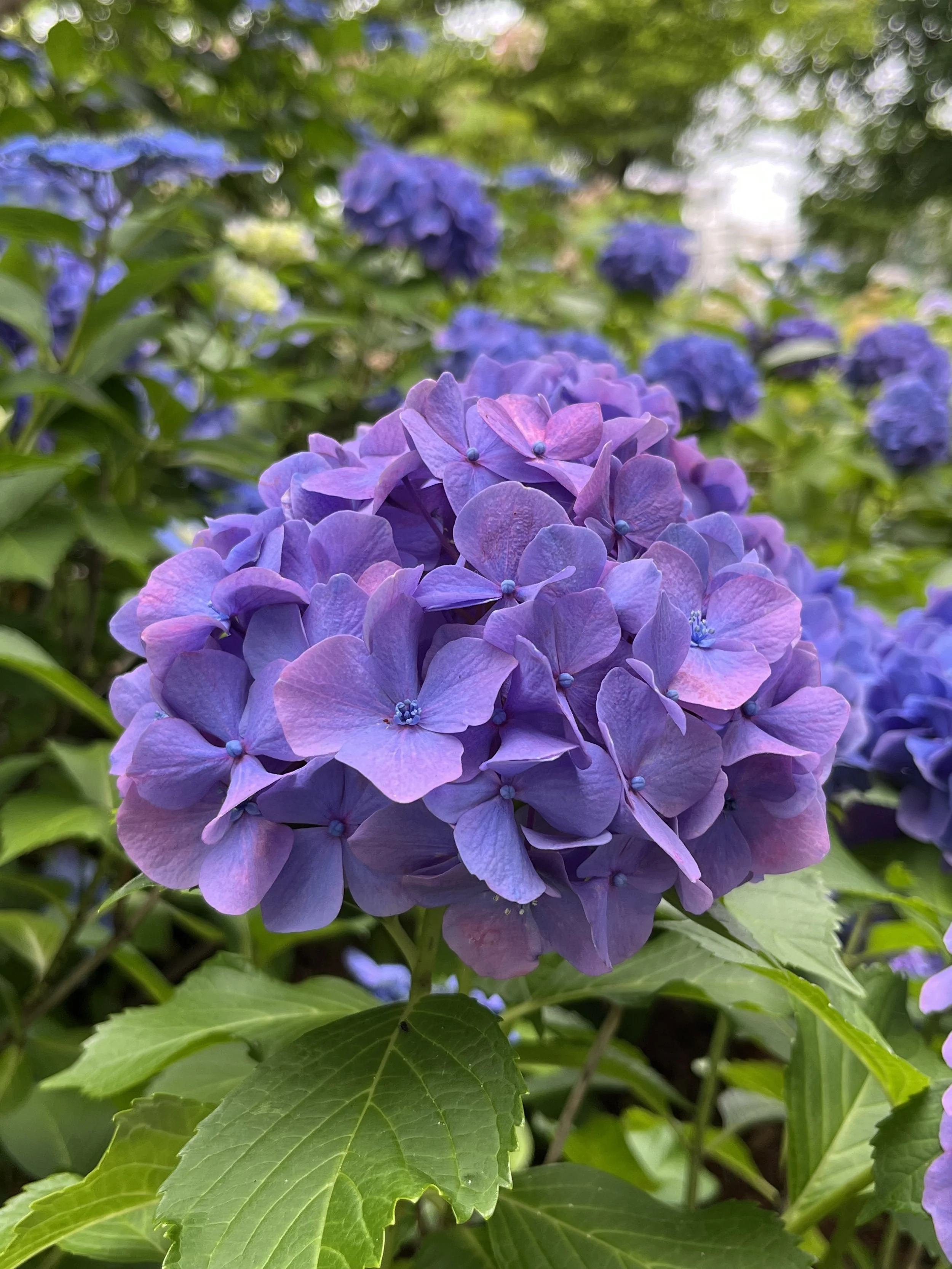
Beautiful Hydrangeas- Japanese Home Cooking and Sweets Class in Tokyo
Hydrangea (ajisai, or purple hydrangea) is a deciduous shrub native to Japan that blooms during the rainy season (June–July), characterized by beautiful flowers in various colors including blue, purple, pink, white, and green.
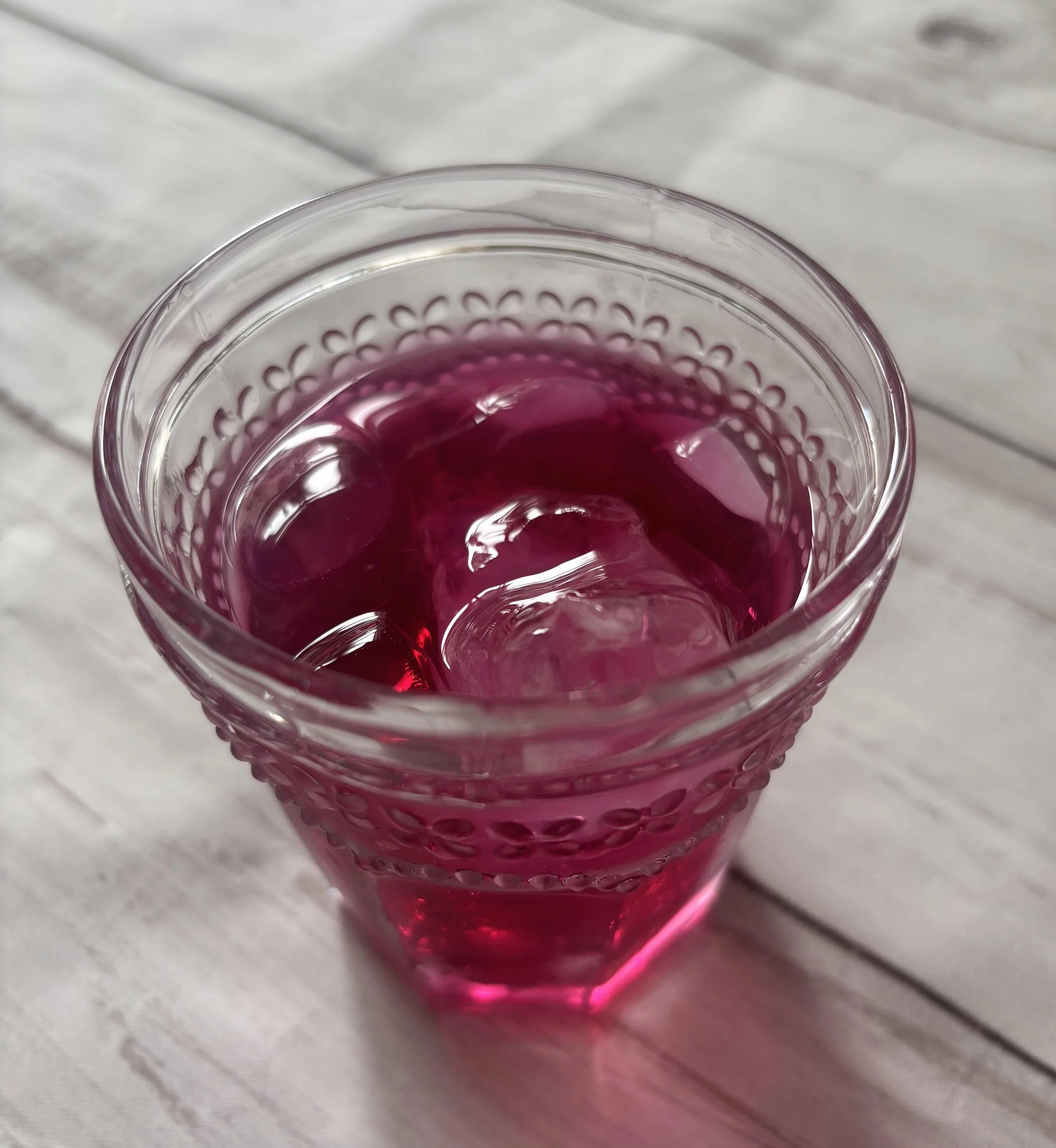
Seasonal handwork during Japan's rainy season- Japanese Home Cooking and Sweets Class in Tokyo
Japanese Handicrafts: How to Make Red Perilla Juice
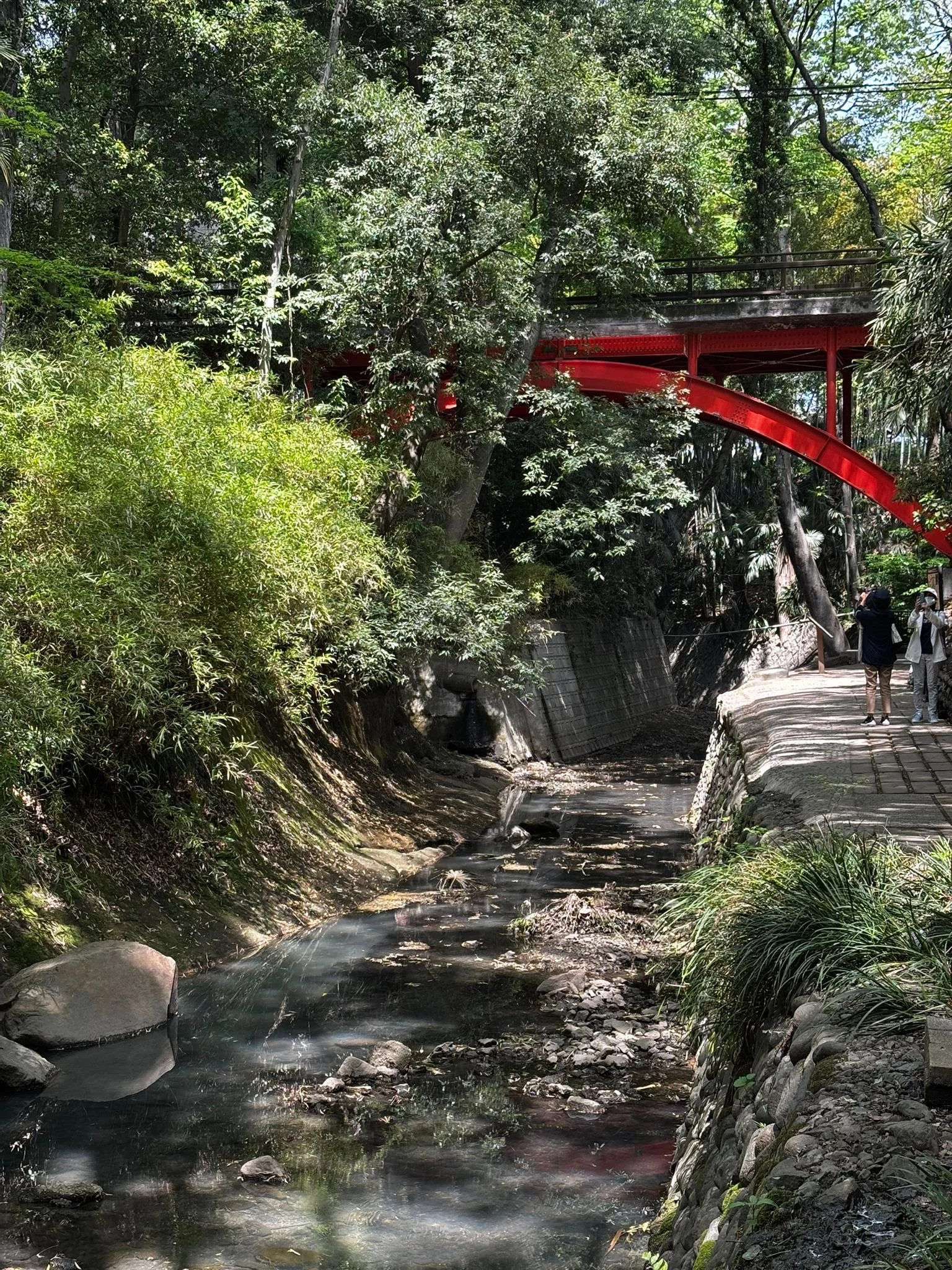
Todoroki Valley in Setagaya city- Japanese Home Cooking and Sweet Class in Tokyo
Todoroki Valley is the only natural valley in Tokyo’s 23 wards, located in Setagaya. Stretching about 1 km along the Yazawa River, it offers a peaceful walking path surrounded by lush greenery.
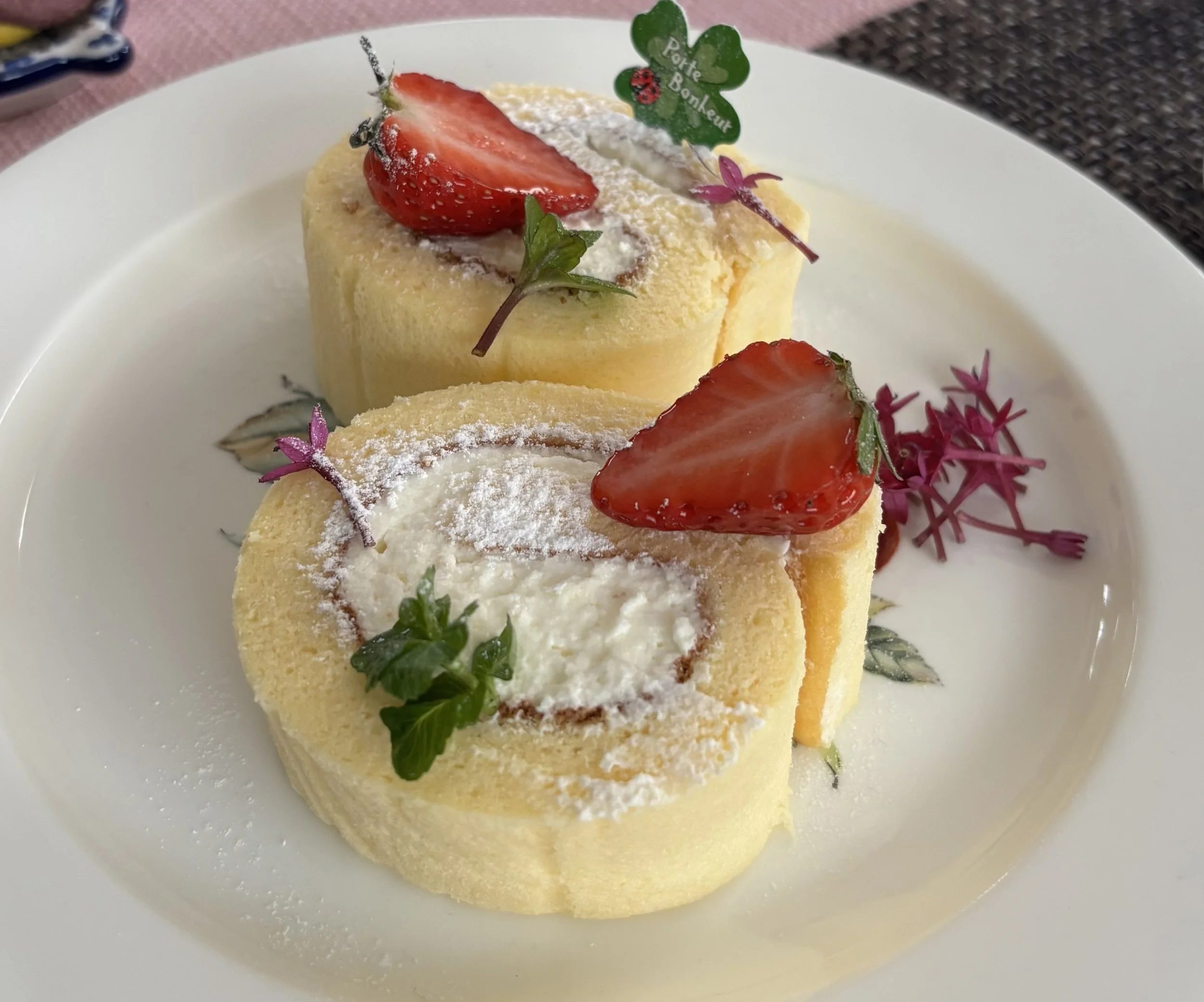
Spring Cooking Class①- Japanese Home Cooking and Sweet Class in Tokyo
I had guests from Hong Kong join our roll cake and katsu curry class. This was their second visit as repeat guests.
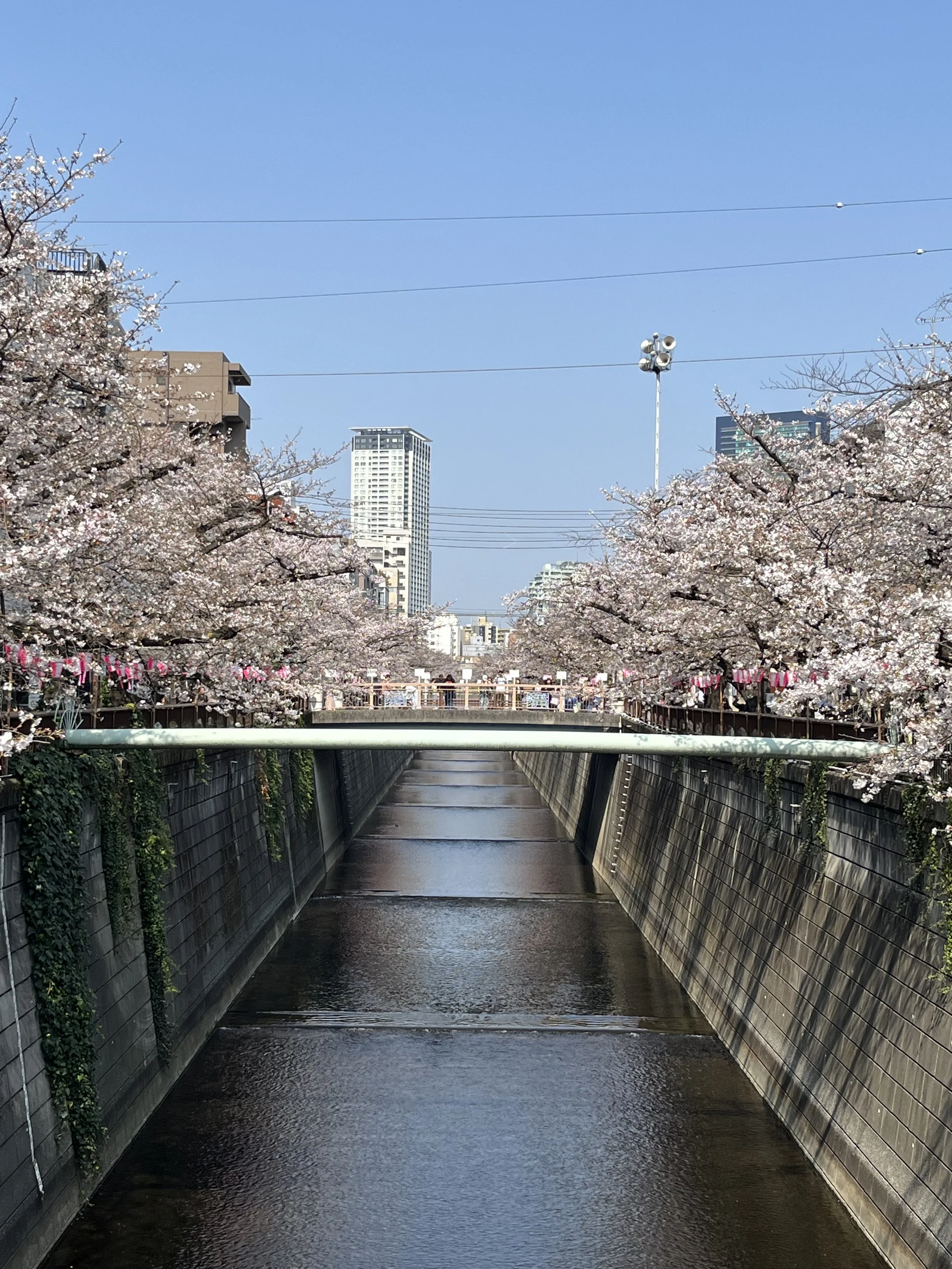
Cherry Blossoms and Sakura-mochi in Tokyo-Japanese Home Cooking and Sweet Class in Tokyo
When it comes to hanami in Tokyo, my usual spots are Todoroki-temple, Sakura-zaka in Tamagawa‑Jōhoku, Ōta Ward, and the Meguro River, both of which are close to where I live. Every year, I am drawn to the gentle beauty of their blossoms, and as the seasons pass, these places have become scenery that I look forward to with deep affection.
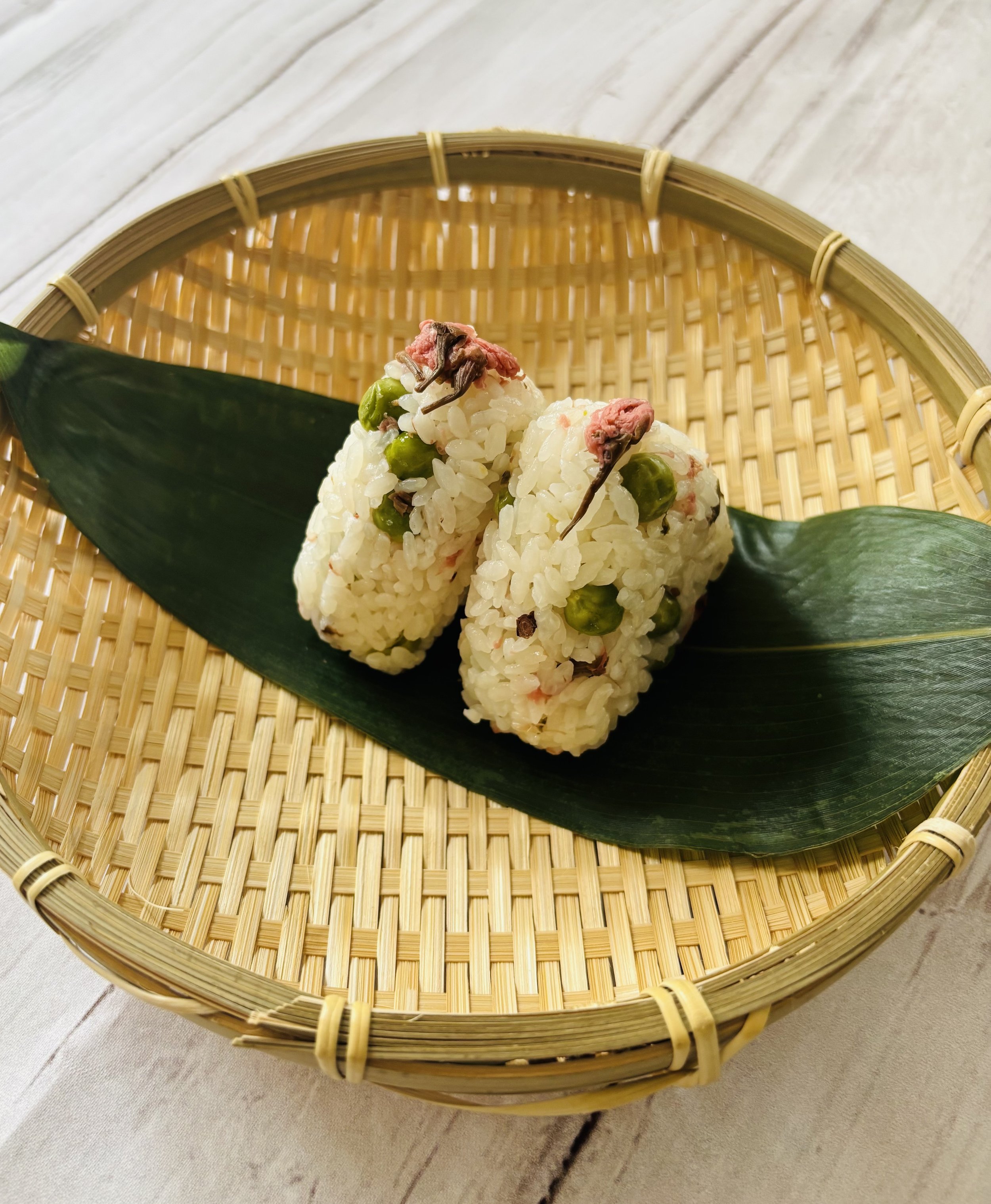
Sakura-Onigiri- Japanese Home Cooking and Sweets Class in Tokyo
Introducing onigiri featuring salt-pickled cherry blossoms. These sakura pickles are more than just food; they symbolize a cherished Japanese culinary tradition deeply rooted in history, spirituality, and the spirit of omotenashi hospitality.

Boys’ Festival- Japanese home cooking class in Tokyo
Tango no Sekku, or the Boys’ Festival, is one of Japan’s five seasonal festivals, celebrated annually on May 5th to pray for the healthy growth and happiness of boys. It is also called the “Iris Festival” (Shobu no Sekku), and today, this date is recognized as the national holiday “Children’s Day” (Kodomo no Hi)

The difference between cherry blossoms and plum blossoms -Japanese home cooking class in Tokyo
Among the flowers heralding the arrival of spring, plum and cherry blossoms hold a special place, deeply rooted in the hearts of the Japanese people.
Plum blossoms convey the pure beauty of early spring, while cherry blossoms express the splendor of spring at its peak.The flower-viewing season has now arrived. Why not immerse yourself in the changing spring scenery, from plum to cherry blossoms? This presents a wonderful opportunity to rediscover the beauty of Japan's four seasons amidst the transitions of nature.
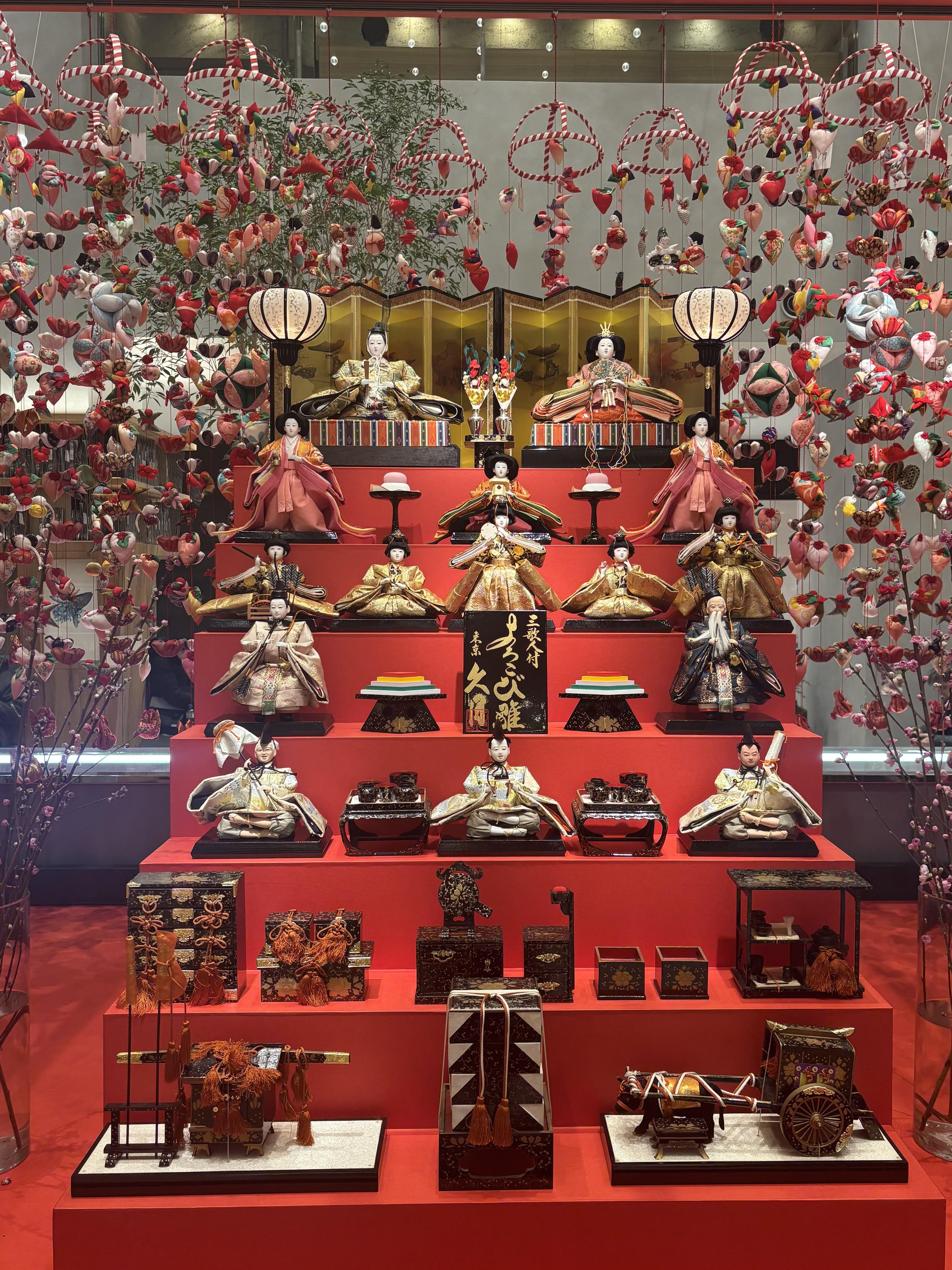
Doll Festival is a Japanese traditional celebration held on March 3rd- Japanese home cooking and sweets class in Tokyo
Hinamatsuri, also known as the Doll Festival, is a traditional Japanese event held annually on March 3rd, celebrated as "Momo no Sekku" (Peach Festival). On this day, people wish for the healthy growth and happiness of girls by displaying Hina dolls and enjoying special foods as part of this cultural event.