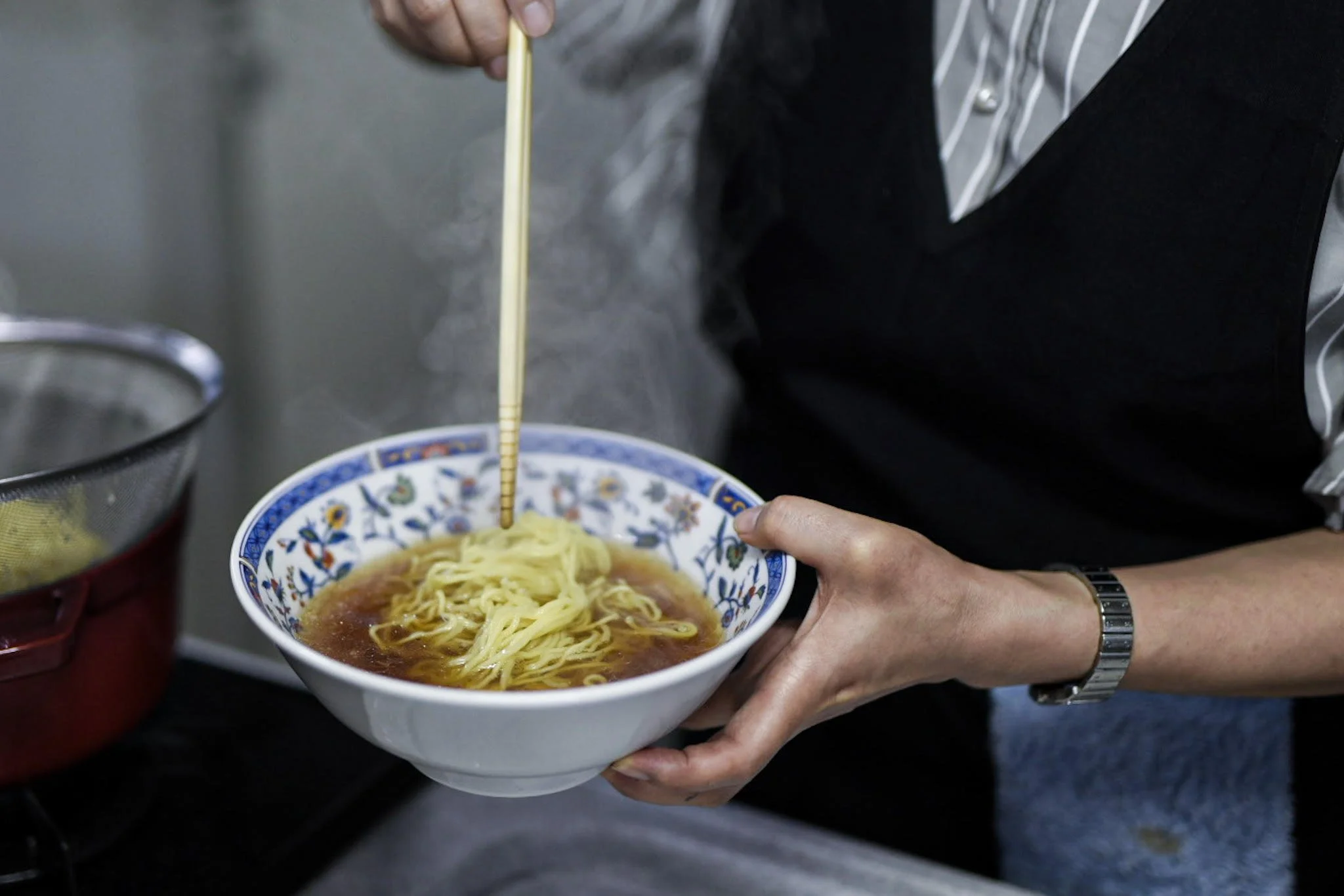
What inspired me to start my ramen class- Japanese Home Cooking and Sweets Class in Tokyo
When I lived at a high altitude of 1,800 meters in Mexico, a pressure cooker was absolutely essential for making tender, slow-cooked meat. In fact, when I moved from Japan to Mexico, I went so far as to pack that heavy pressure cooker into my suitcase and take it with me on the plane. That experience became the very starting point of my ramen making.
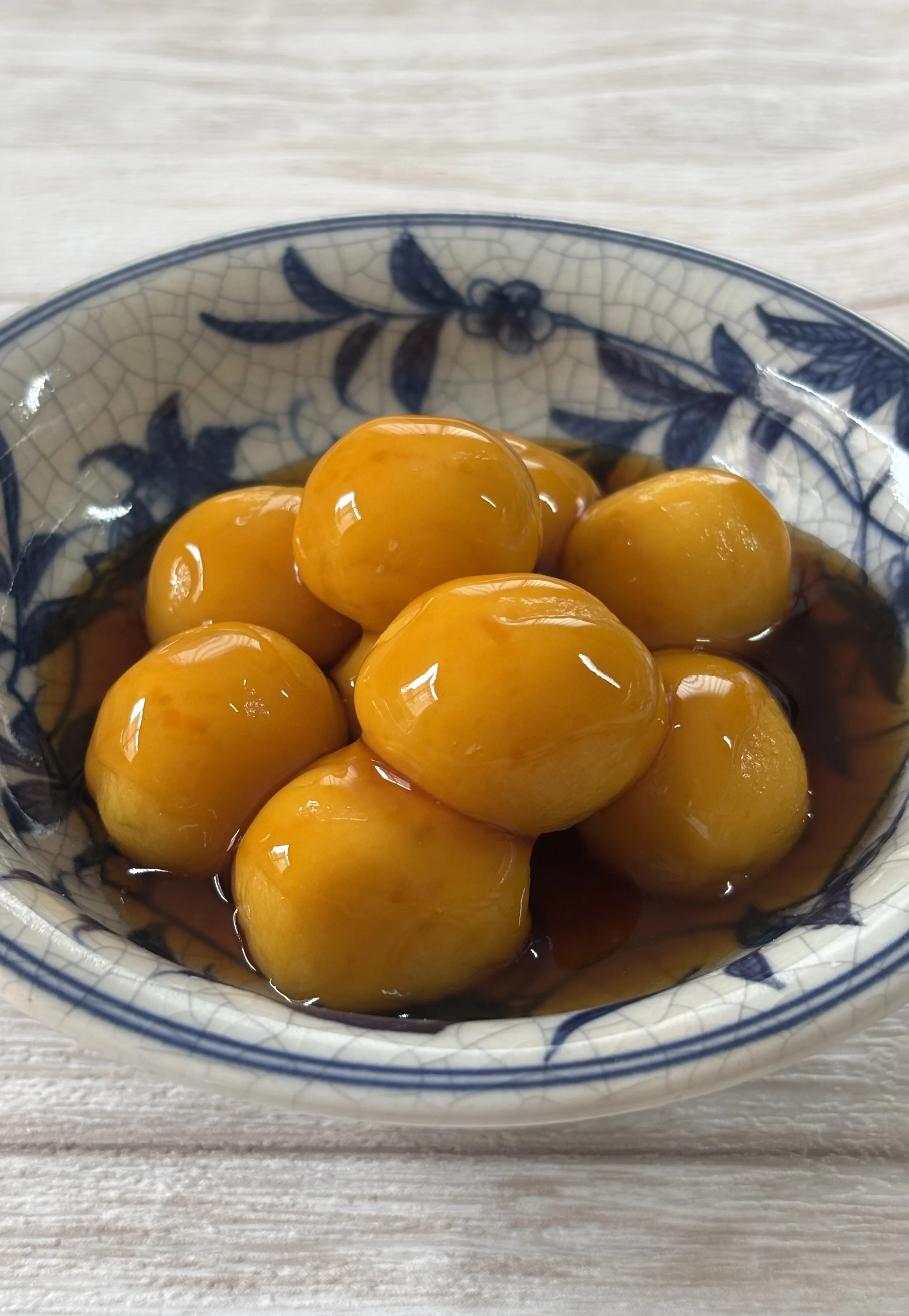
Pumpkin Mitarashi Dango- Japanese Home Cooking and Sweets Class in Tokyo
The perfect dessert for your next home party!
These Japanese pumpkin mitarashi dango are cute, easy to share, and mess-free.
Put them on skewers or add ice cream-it's completely up to you!
Make it your own style and enjoy a wonderful time with your guests.
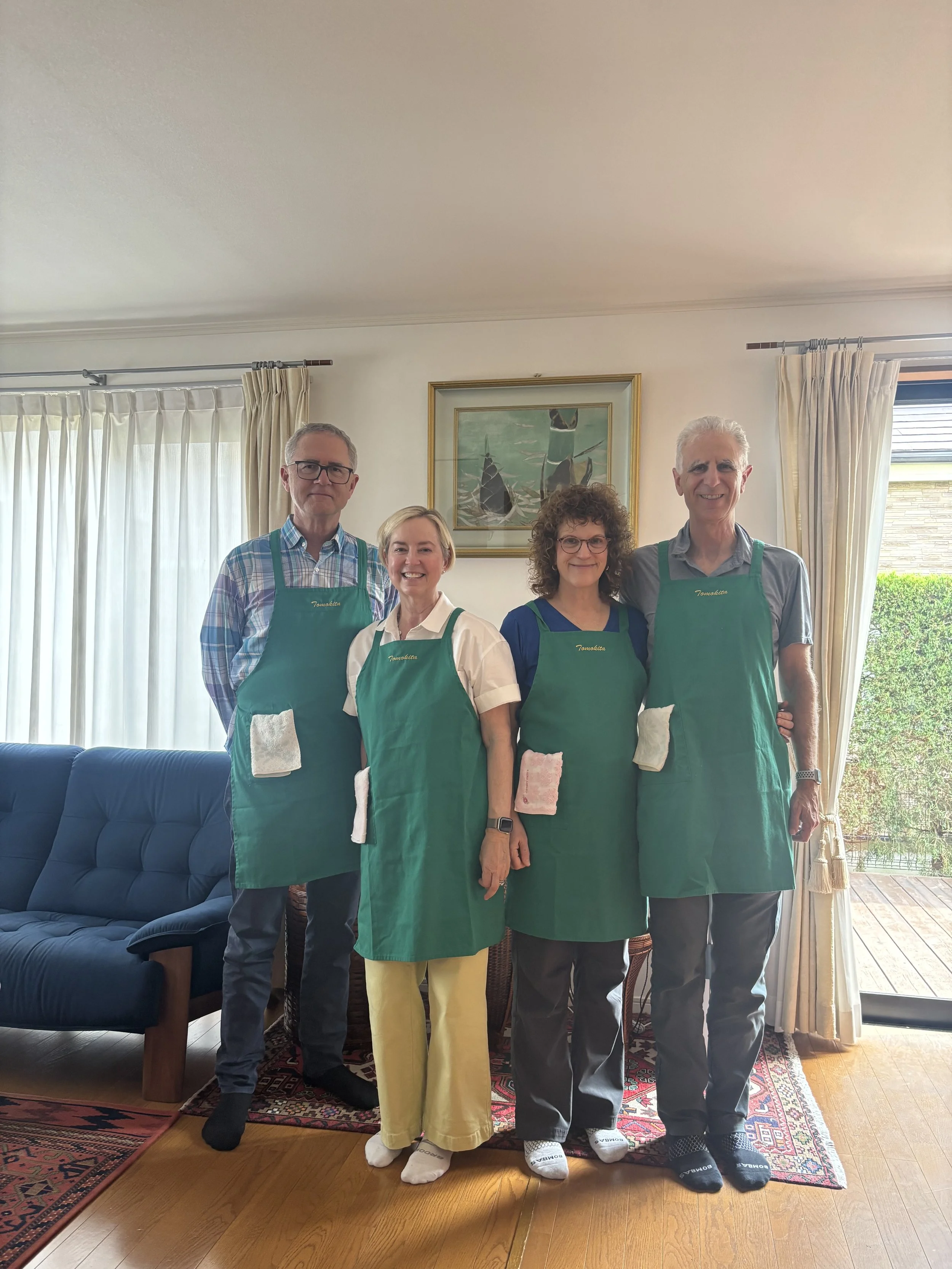
Recent class highlights- Japanese Home Cooking and Sweets Class in Tokyo
I truly believe that food is the best way to connect different cultures. Guided by this philosophy, I create a unique, personalized Japanese food menu for every single guest- thoughtfully taking into account your individual tastes, allergies, and cultural or dietary backgrounds.
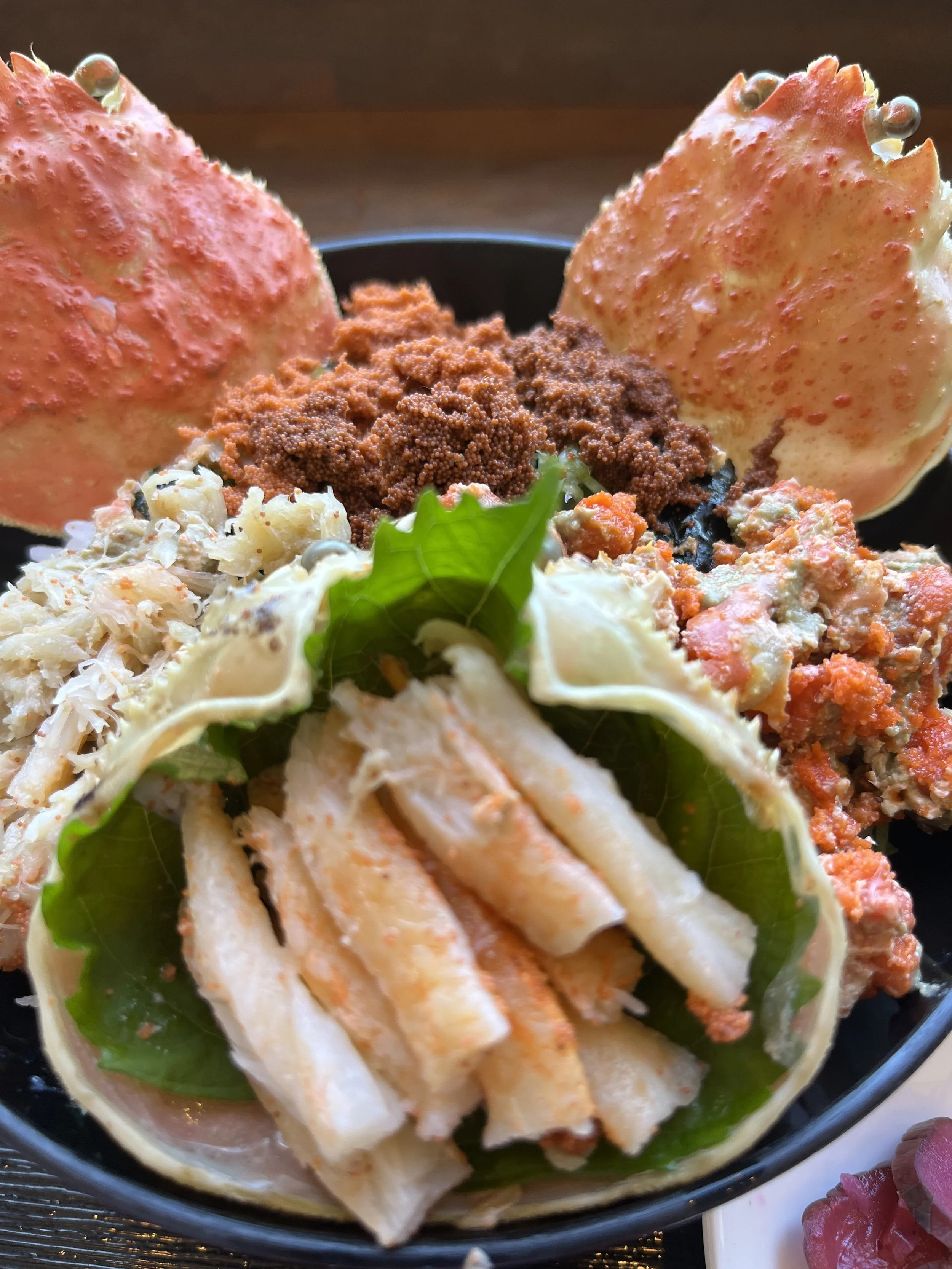
Kasumi Crab- Japanese Home Cooking and Sweet Class in Tokyo
I recently traveled to Kasumi, in Kami Town, Mikata District, northern Hyogo Prefecture, Japan, to enjoy Kasumi crab, which is currently in season.
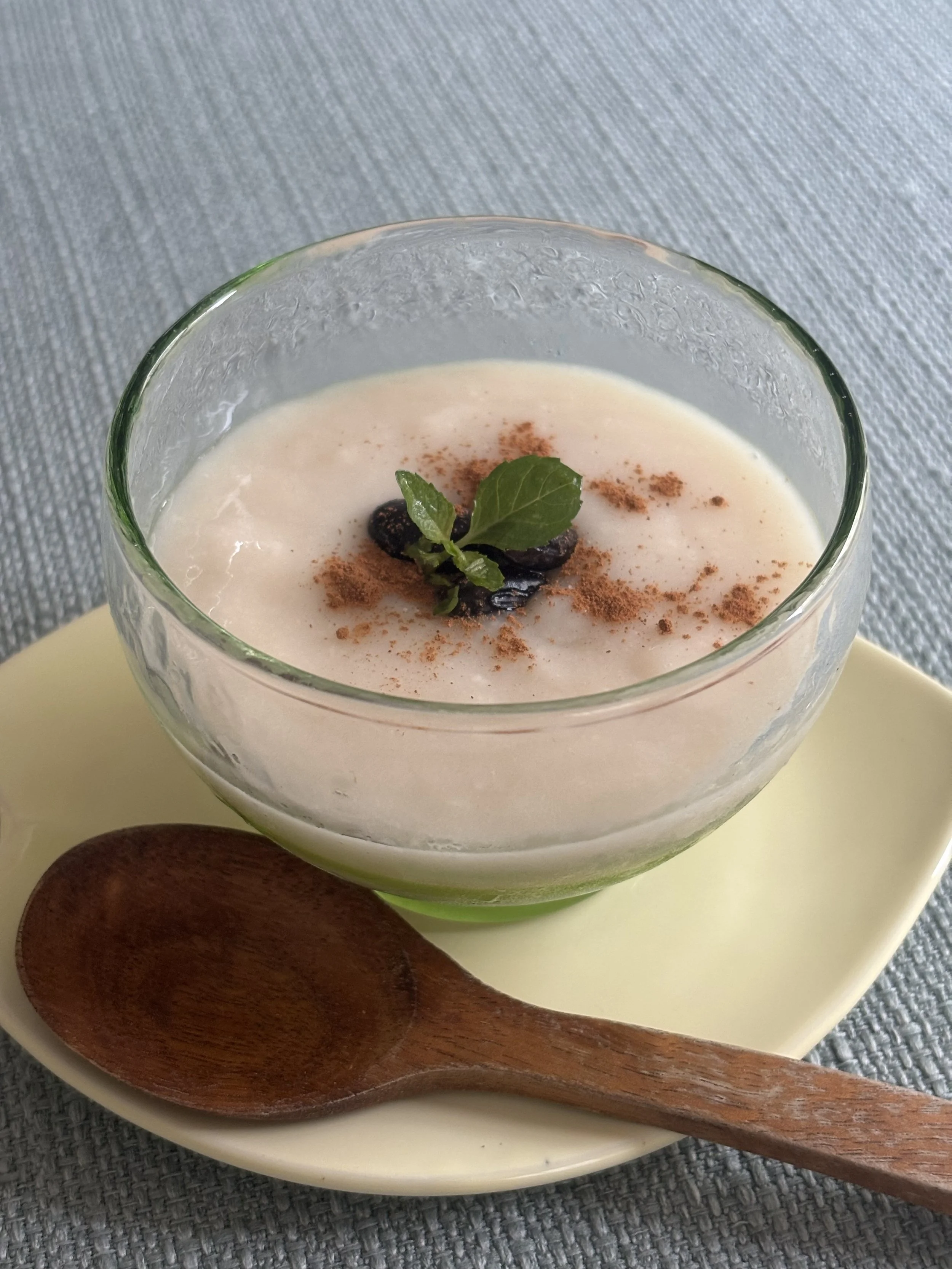
Homemade AMAZAKE- Japanese Home Cooking and Sweets Class in Tokyo
Amazake is a traditional Japanese sweet drink made from rice and rice malt, or sake lees, and it is so nutritious that it is sometimes called a drinkable IV. Although its name contains the word sake, the type made from rice malt is basically non-alcoholic, so both children and adults can enjoy it safely.
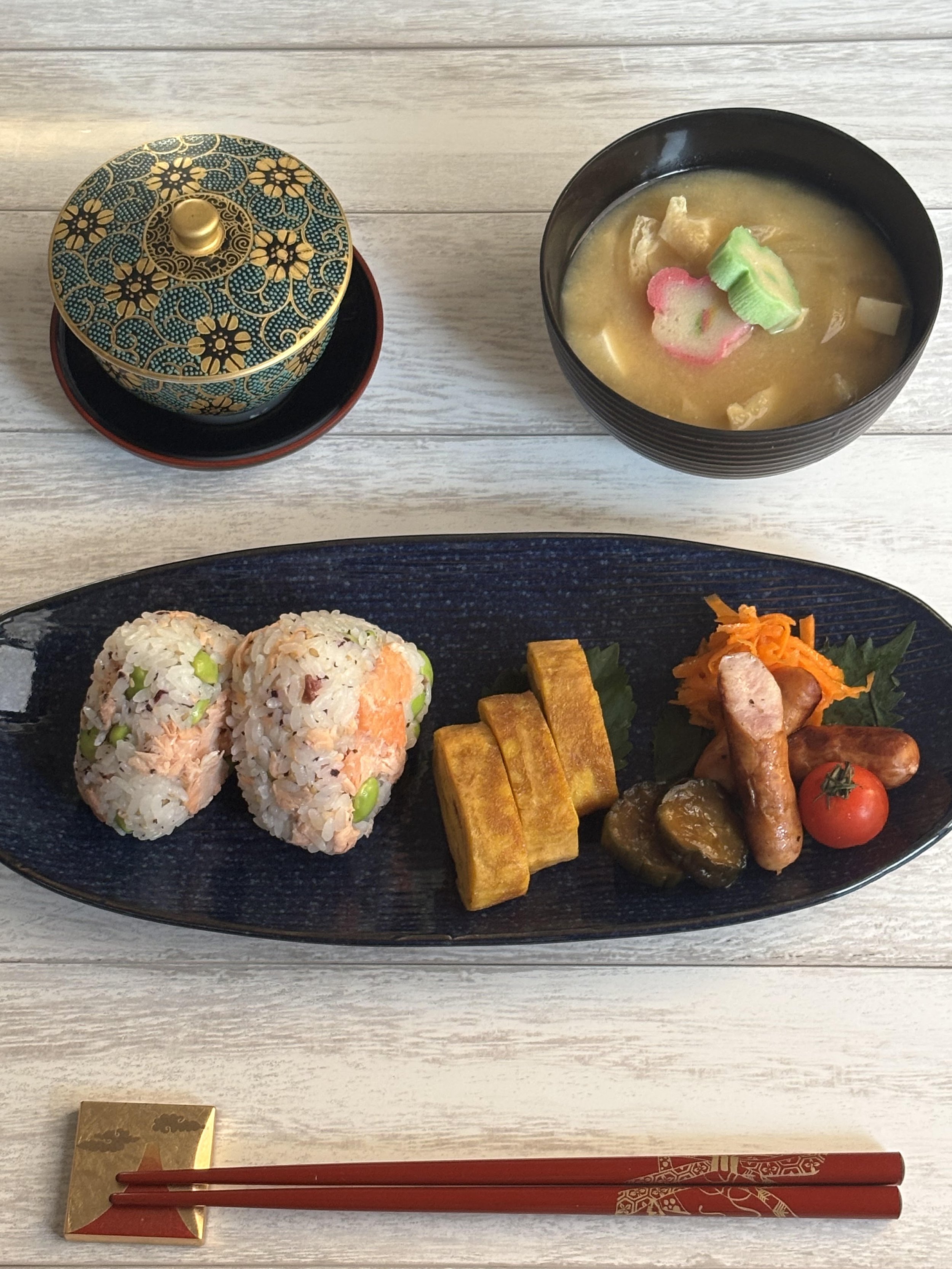
ONIGIRI lunch- Japanese Home Cooking and Sweets Class in Tokyo
A classic Japanese onigiri lunch-colorful, well-balanced, and easy to enjoy. Simple yet comforting, this is the true taste of Japanese home cooking.
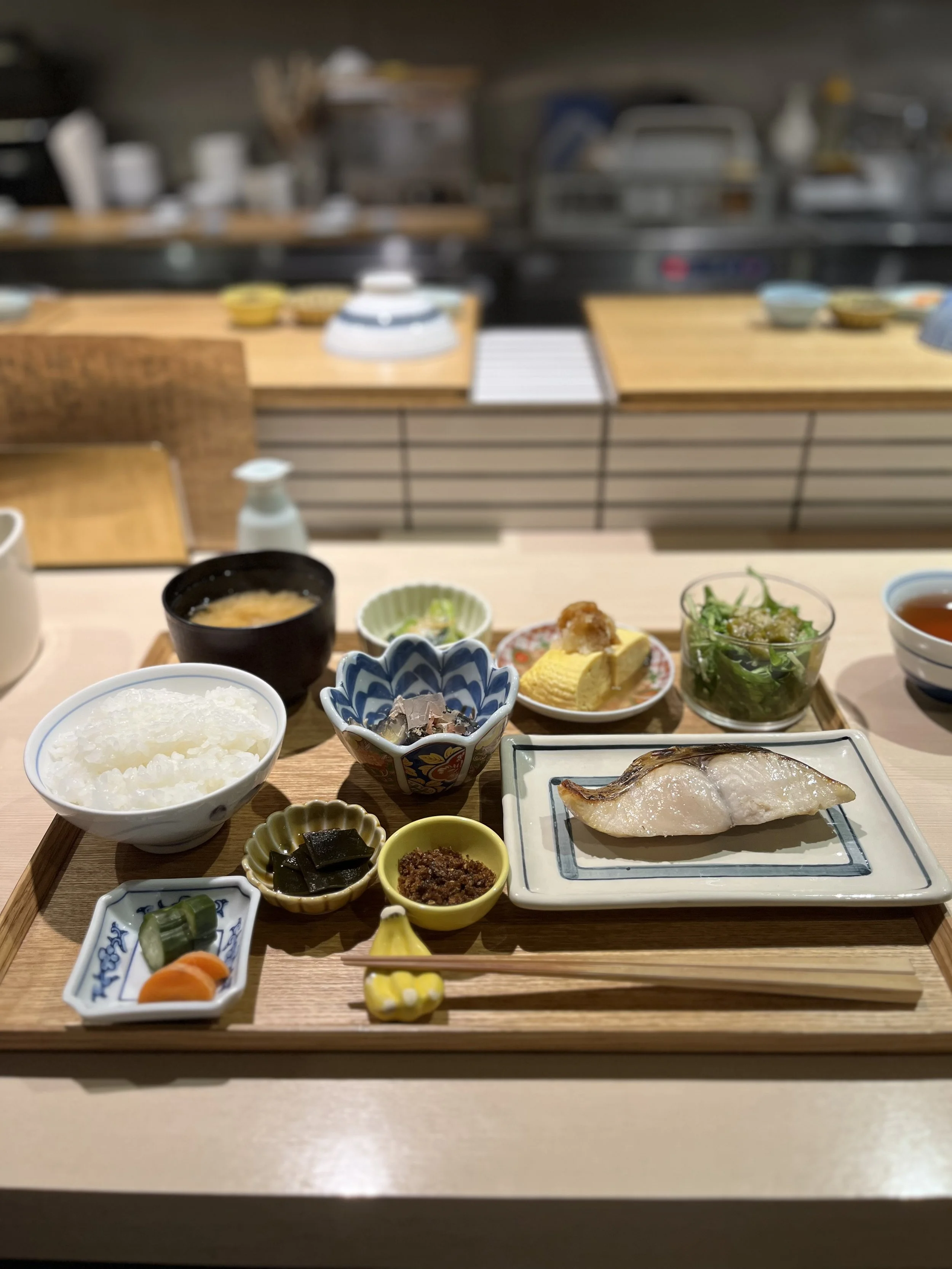
Obanzai Kyoto Style Food- Japanese Home Cooking and Sweets Class in Tokyo
Obanzai enjoyed in Kyoto, and kyo-kaiseiki dining along the Kamo River in Pontocho.
I believe the key difference between Tokyo and Kyoto cuisine lies in the dashi. Kyoto’s cooking, which gently brings out the umami of each ingredient, is one of my favorite cuisines.
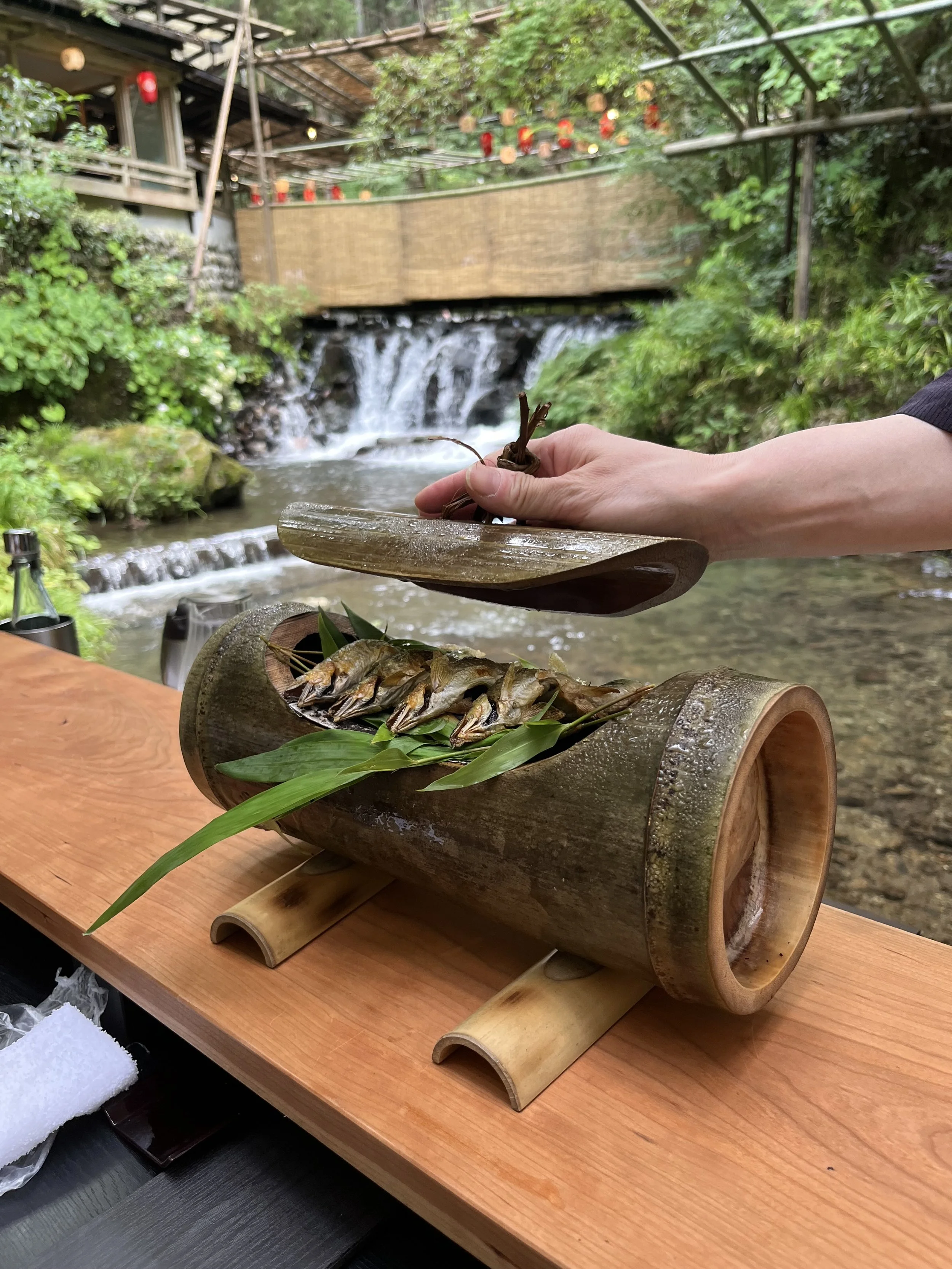
貴船, Kyoto- Japanese Home Cooking and Sweets Class in Tokyo
The Kifune "Kawadoko" (riverbed) dining is a well-known summer tradition in Kyoto, and in 2026, it is held from May 1st to September 30th.
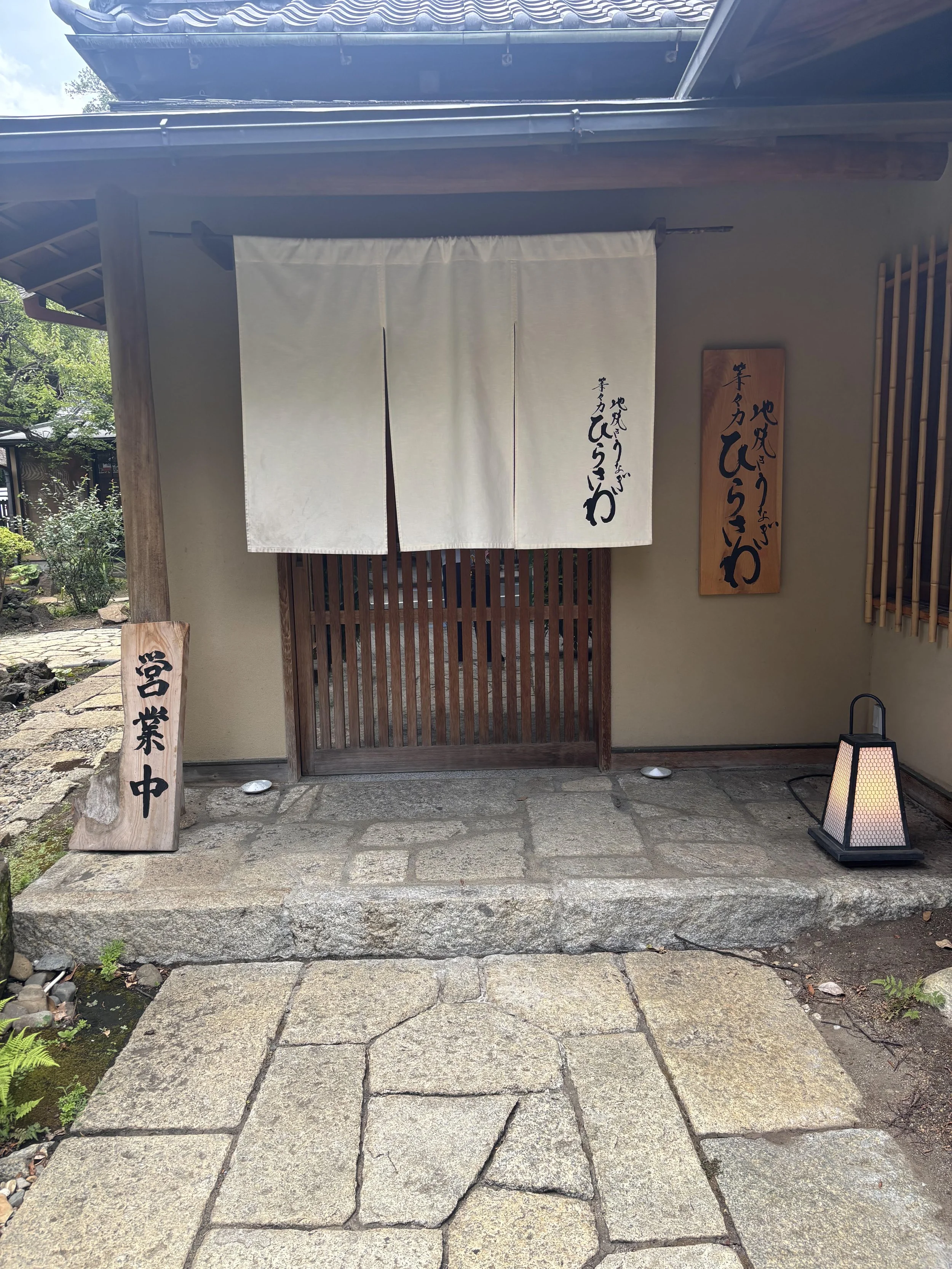
Eat Japanese eel- Japanese Home Cooking and Sweets Class in Tokyo
In Japan, Doyō no Ushi no Hi refers to the Day of the Ox that falls during the Doyō period. It usually refers to the summer Doyō no Ushi no Hi and is well known for the custom of eating eel.
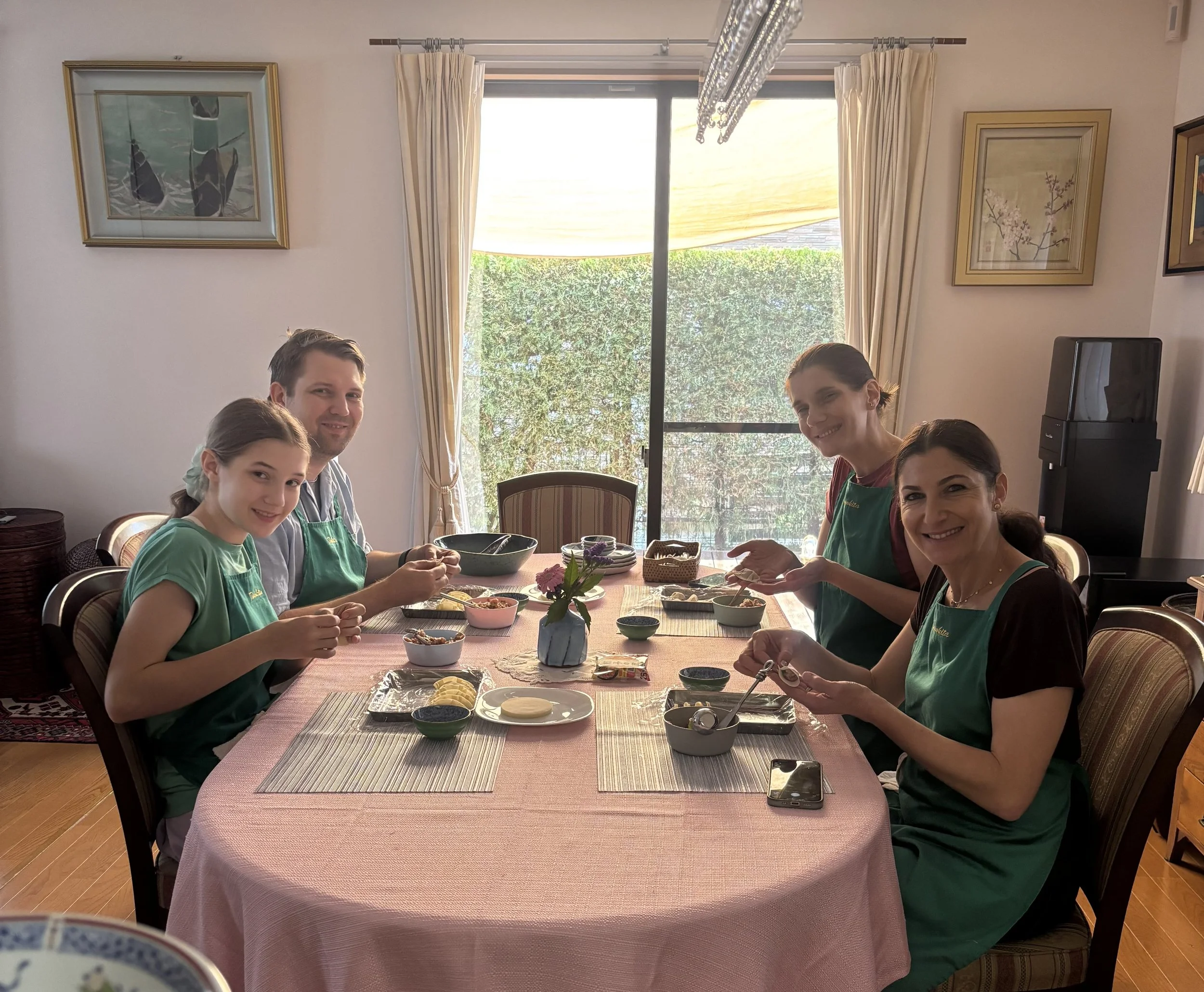
Ramen and Gyoza Class - Japanese Home Cooking and Sweets Class in Tokyo
Japanese ramen and gyoza still seem to be very popular around the world.
Let me share with you what our Japanese cooking class is like.
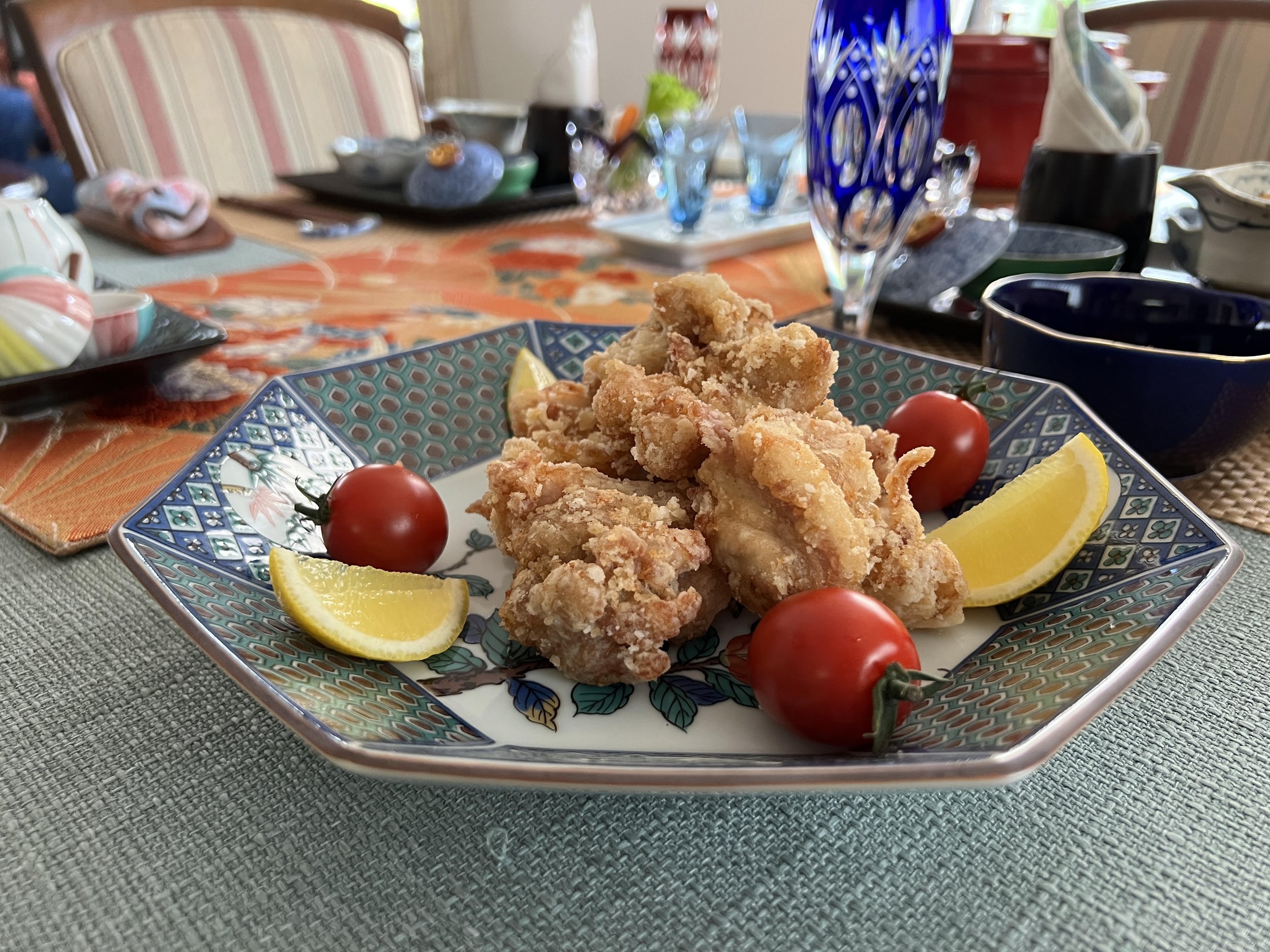
Japanese fried chicken- Japanese Home Cooking and Sweets Class in Tokyo
Fried chicken is one of the classic “mother’s taste” dishes in Japanese home cooking. It is often made at home and is also a staple side dish in lunch boxes in Japan.
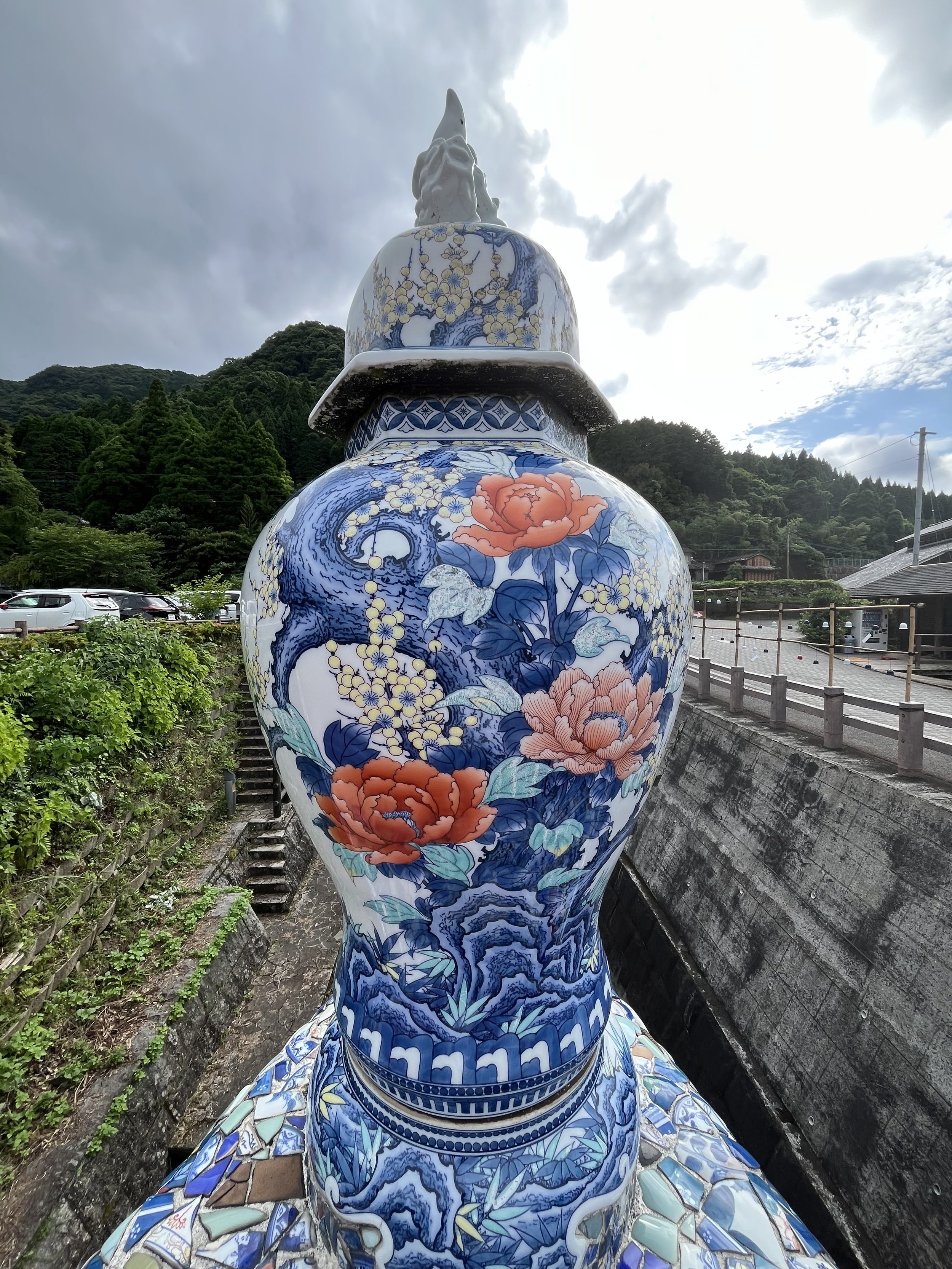
Arita Imari Japanese Ware- Japanese Home Cooking and Sweets Class in Tokyo
Both “Arita ware” and “Imari ware” are representative Japanese porcelain produced in Saga Prefecture (Hizen Province).
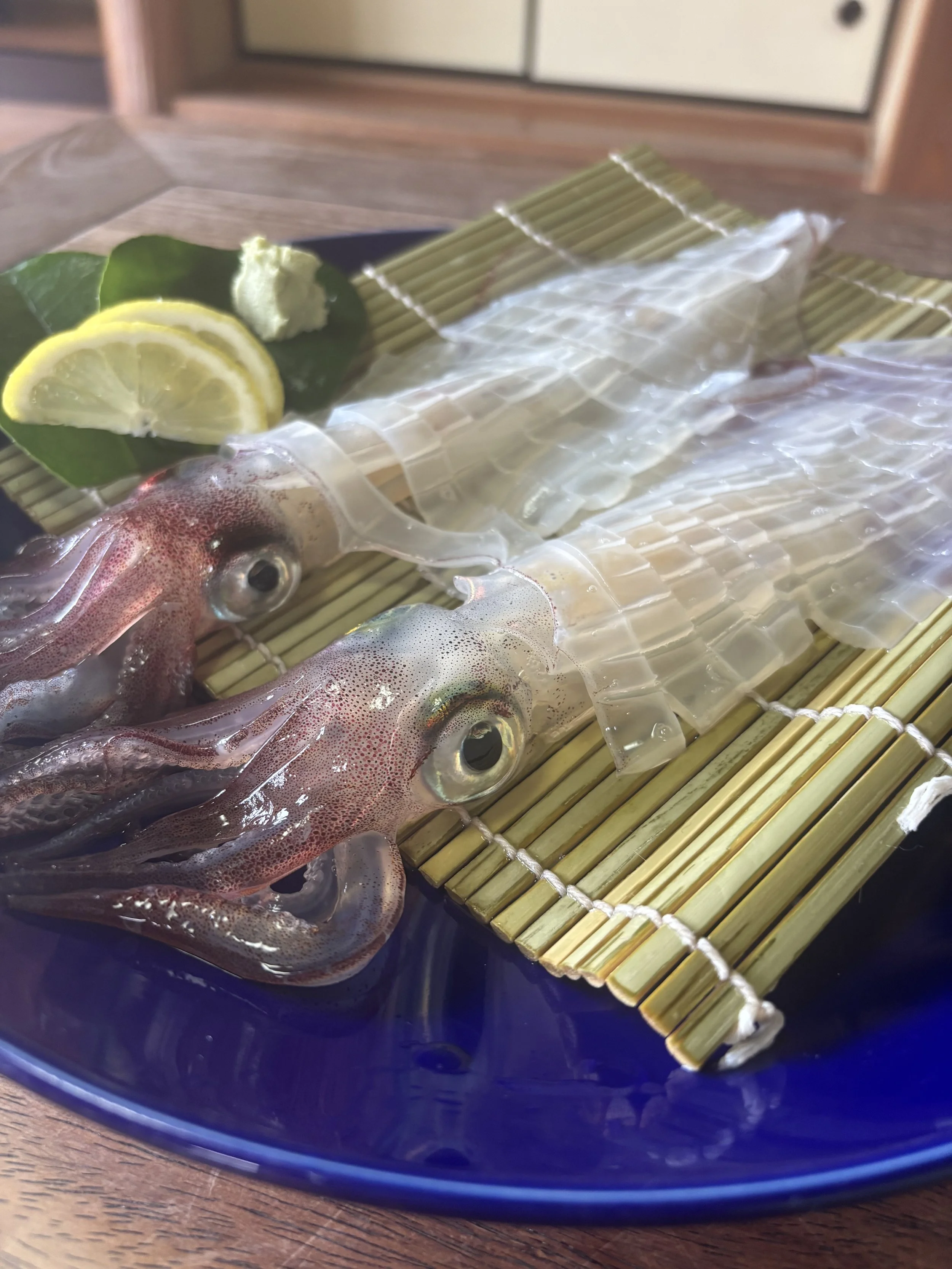
Yobuko squid in Saga- Japanese Home Cooking and Sweets Class in Tokyo
“Yobuko,” the “Town of Squid,” is located in Karatsu City, Saga Prefecture.
Yobuko, famous throughout Japan, is beloved by many as a place that offers fresh, top-quality, delicious squid.
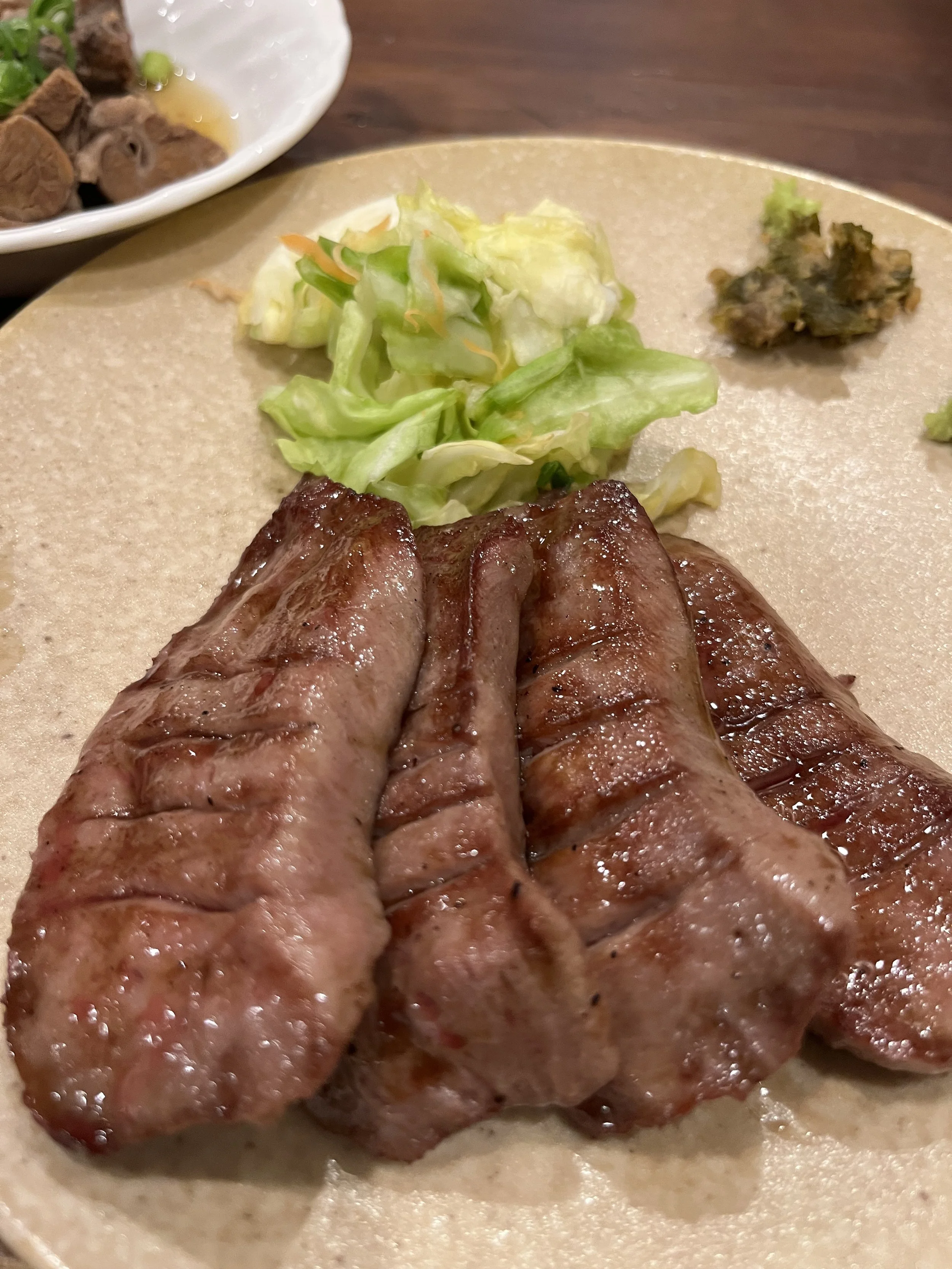
Gyutan and Matsushima (One of Japan's Three Most Scenic Views)- Japanese Home Cooking and Sweets Class in Tokyo
A trip to enjoy gyutan and visit Matsushima, MIyagi prefecture in Japan.
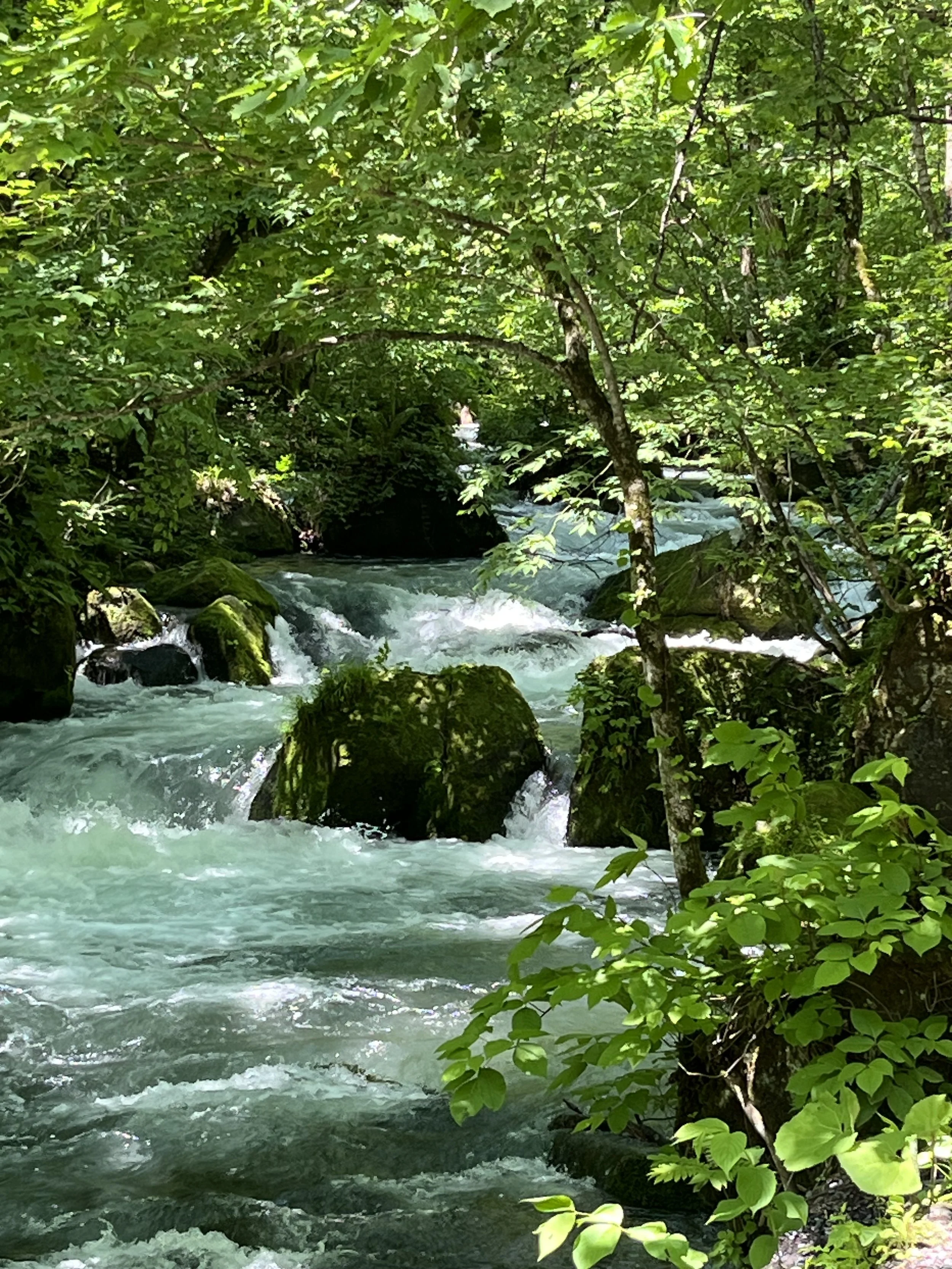
Oirase Stream, Aomori prefecture trip- Japanese Home Cooking and Sweets Class in Tokyo
The Tohoku region of Japan is currently in a beautiful season, with rice planting now largely complete and the landscape enveloped in lush, fresh greenery. This is the perfect time to fully enjoy the seasonal spring delicacies and fresh seafood unique to this time of year. With convenient access—just a one-hour flight from Haneda Airport—why not take this opportunity to visit?
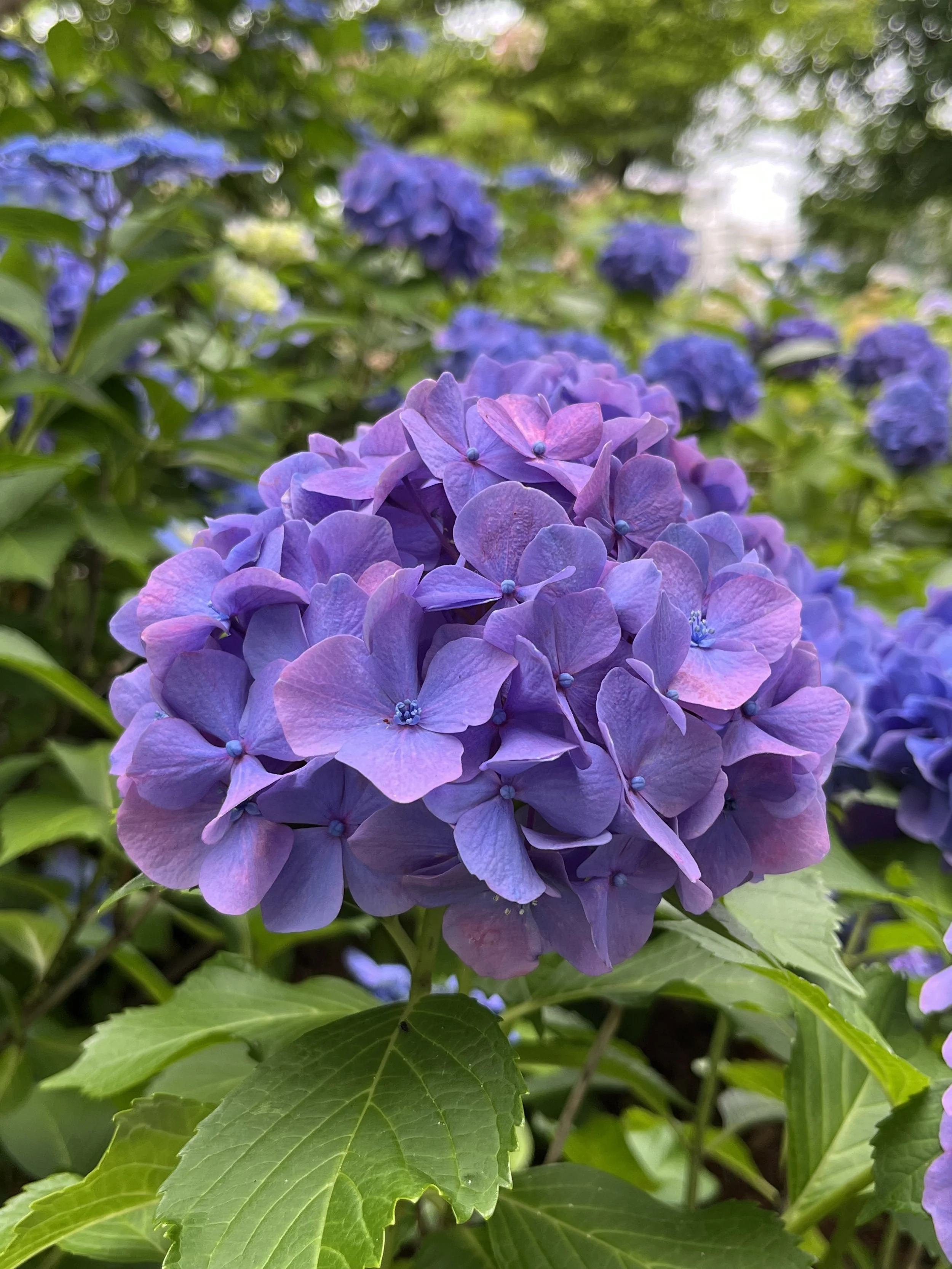
Beautiful Hydrangeas- Japanese Home Cooking and Sweets Class in Tokyo
Hydrangea (ajisai, or purple hydrangea) is a deciduous shrub native to Japan that blooms during the rainy season (June–July), characterized by beautiful flowers in various colors including blue, purple, pink, white, and green.
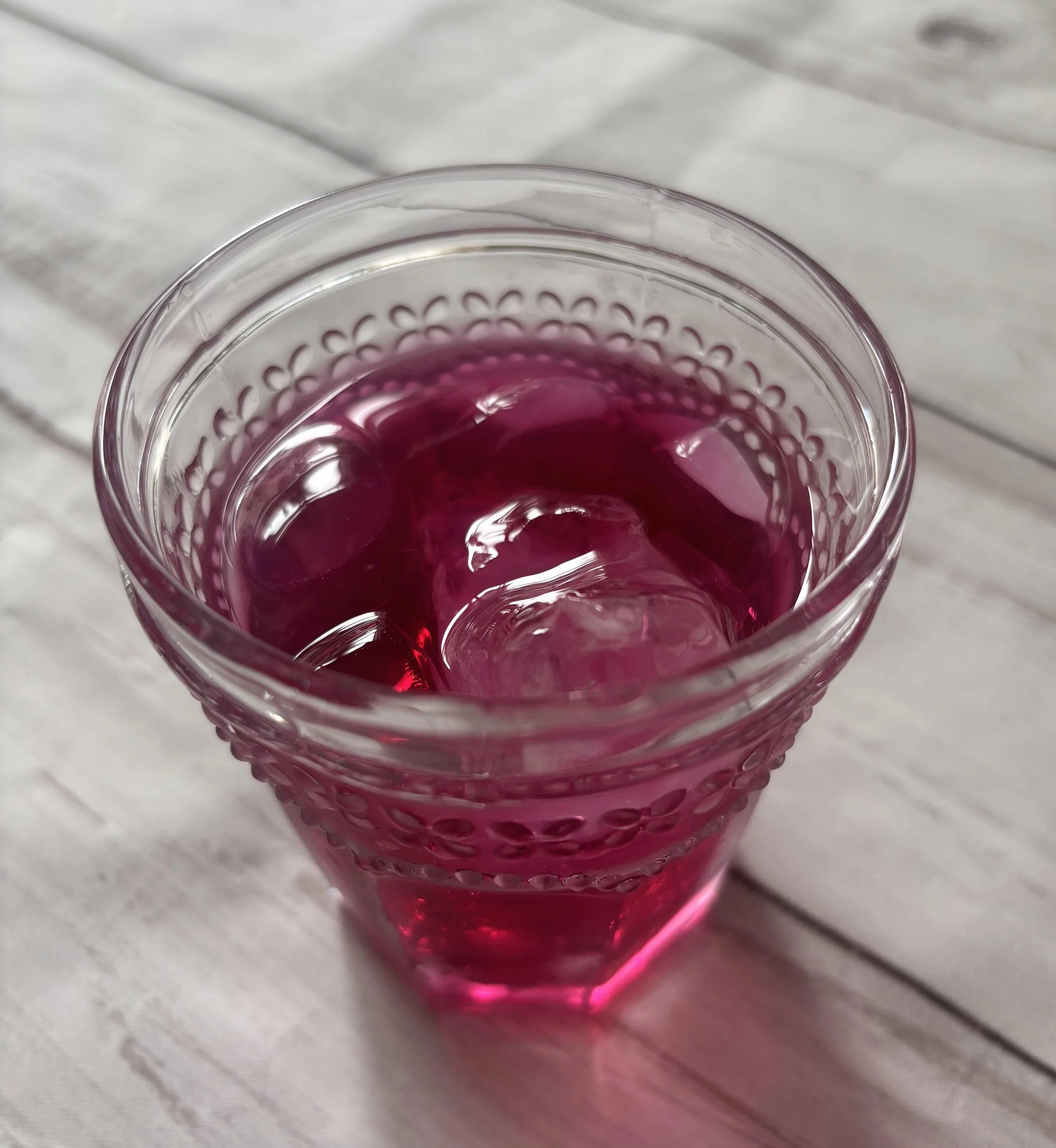
Seasonal handwork during Japan's rainy season- Japanese Home Cooking and Sweets Class in Tokyo
Japanese Handicrafts: How to Make Red Perilla Juice
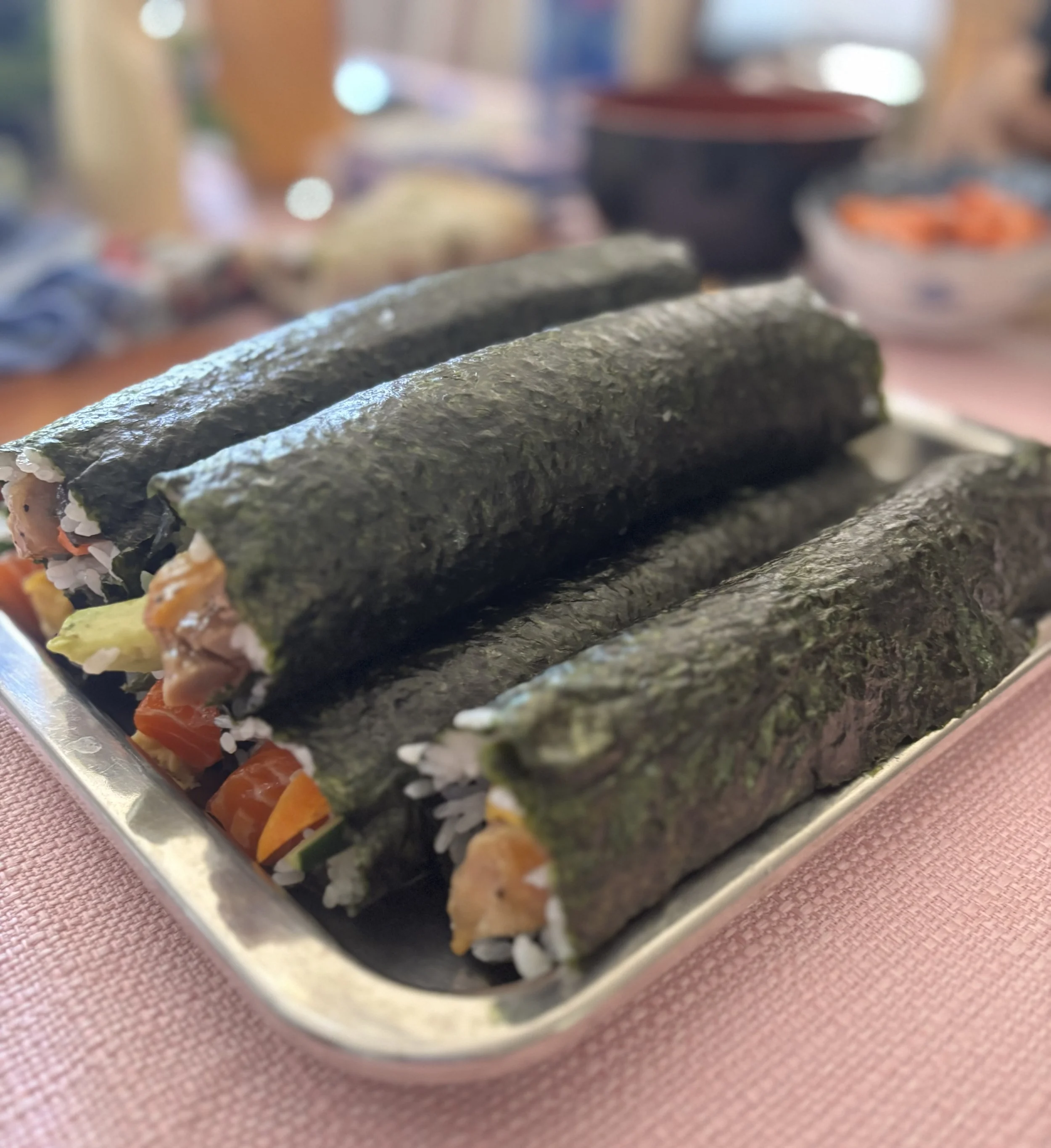
Sushi Roll Class Highlights- Japanese Home Cooking and Sweets Class in Tokyo
The appeal of our sushi-rolling class is that you can freely use your creativity to make sushi rolls just the way you like them. Choose your favorite ingredients and designs to enjoy creating your very own original sushi rolls.
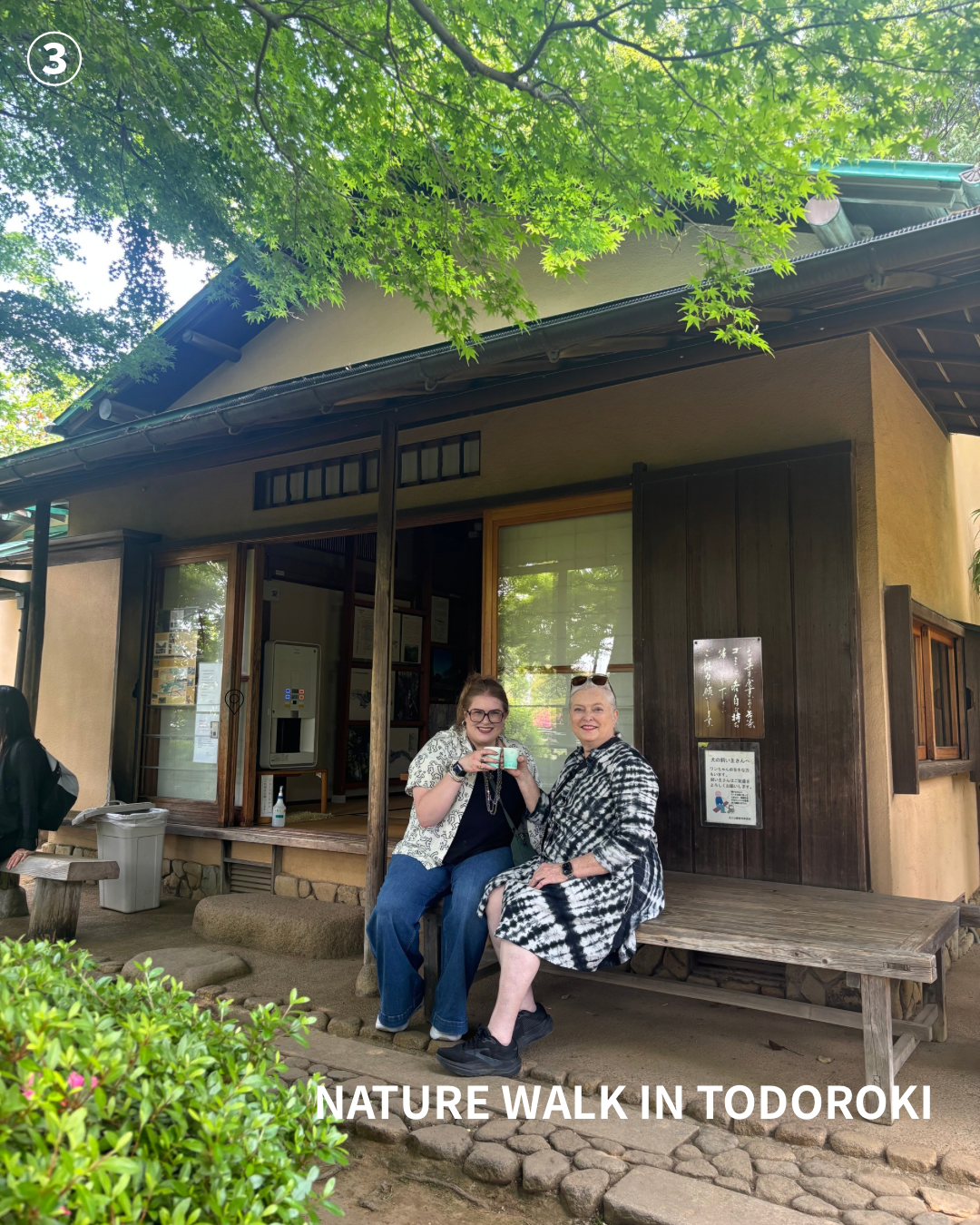
Cooking Class- Japanese Home Cooking and Sweets Class in Tokyo
May is a wonderful time of year when the fresh greenery is at its most beautiful, making it especially հաճpleasant to be outdoors. After a relaxing walk through nearby Todoroki Valley, I head to my cooking class.
Before the class, I ask about your preferences for Japanese cuisine, and on the day, I guide you step by step from the basics so you can enjoy the experience while learning.
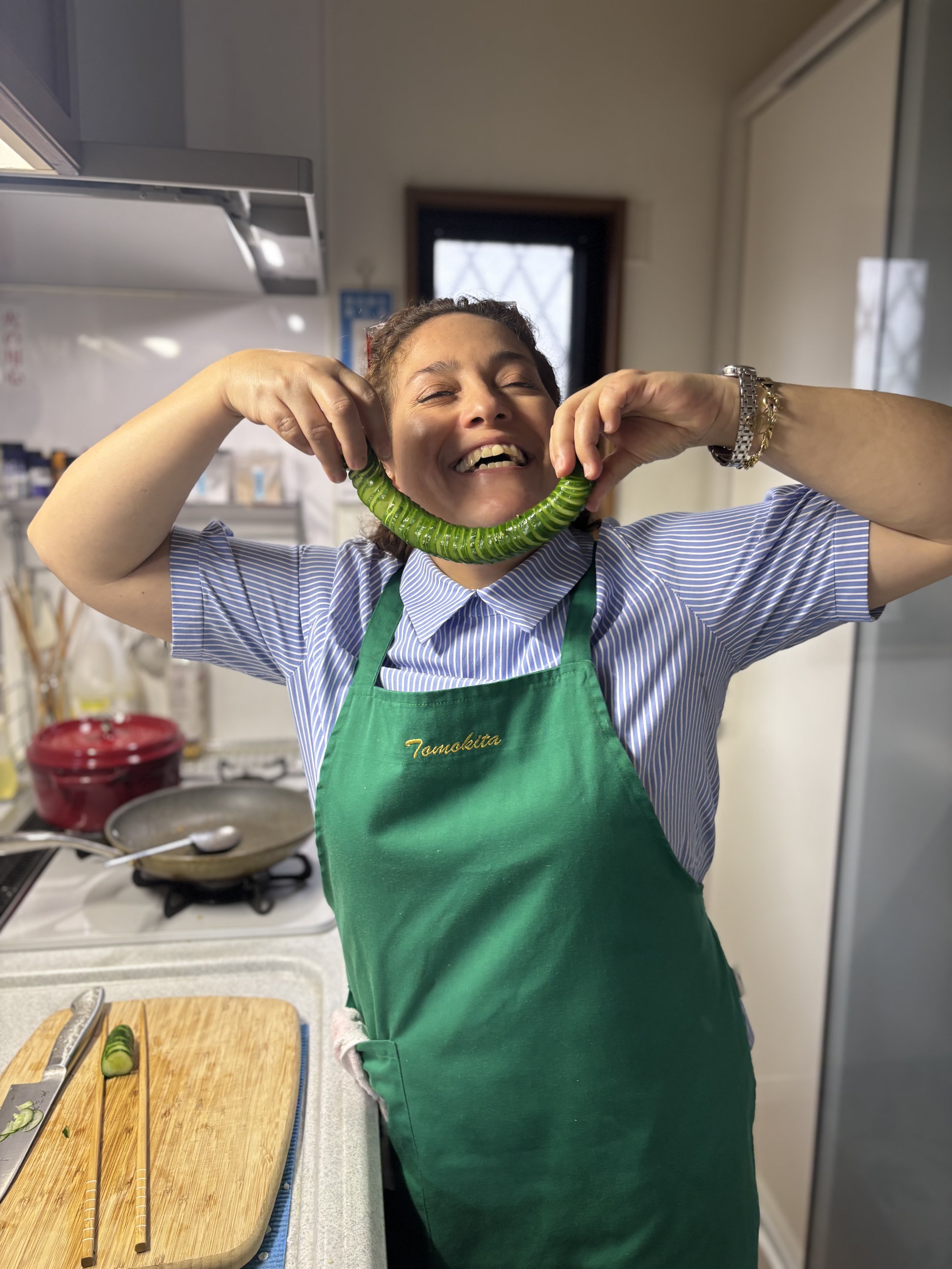
Cooking Class in Spring④- Japanese Home Cooking and Sweet Class in Tokyo
In our Japanese home cooking class, we create the menu in advance while listening to our guests’ preferences and planning together.