Do you know about sakura salt-pickled cherry blossoms? Sakura salt-pickling is not just about eating cherry blossoms; it is a culinary tradition deeply intertwined with Japanese history, spirituality, and the spirit of omotenashi hospitality.
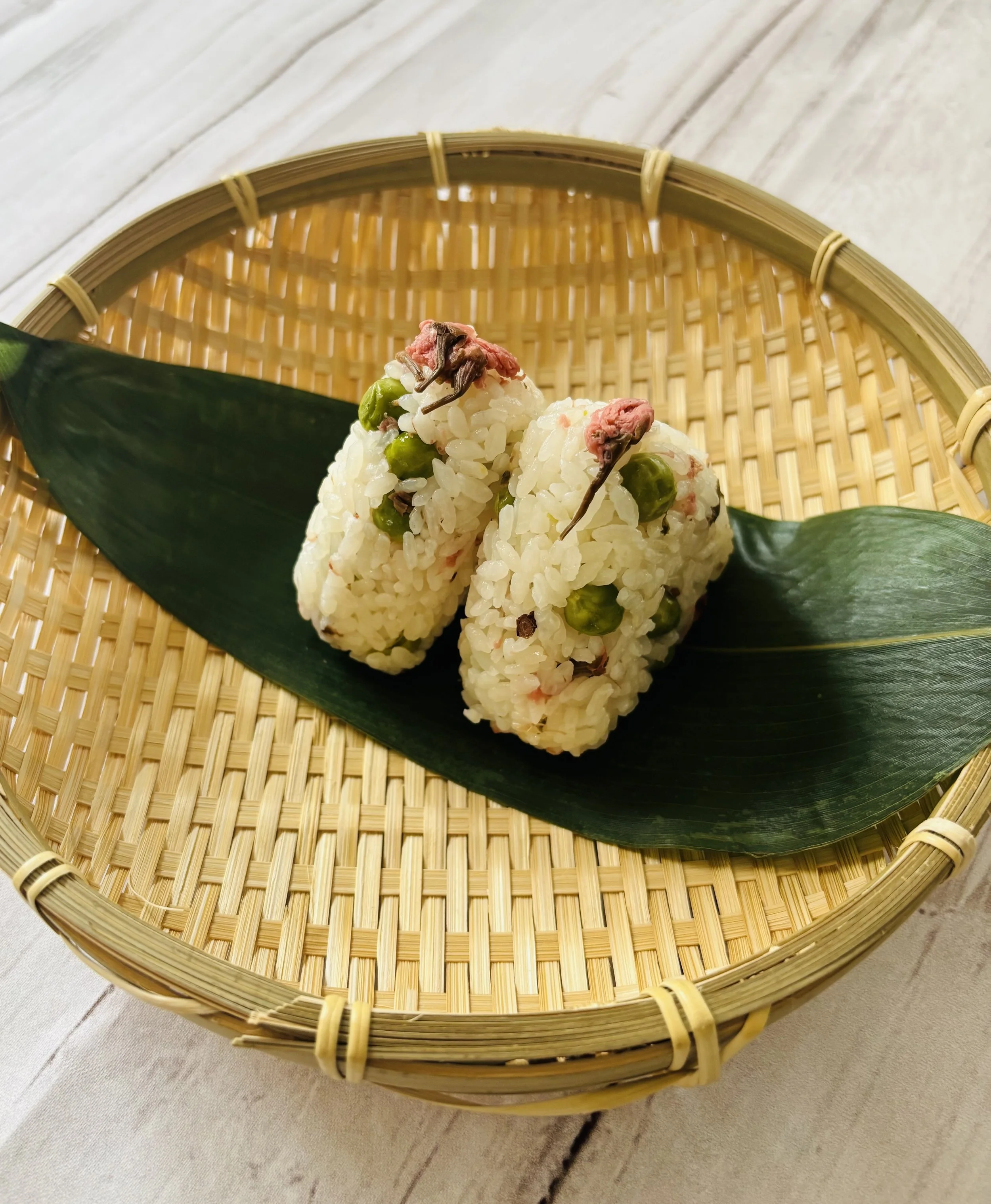
Sakura-Onigiri- Japanese Home Cooking and Sweets Class in Tokyo
Established Food Culture
Pickling cherry blossoms in salt and using them in sakura-yu (sakura tea) for celebratory occasions, or in sakura mochi rice cakes and wagashi sweets (such as toppings for sakura mochi or anpan buns), is a uniquely Japanese tradition.
This sakura salt-pickle is primarily made by pickling the buds of the "Kanzan" variety of yaezakura (double-flowered cherry blossoms) in salt and ume vinegar.
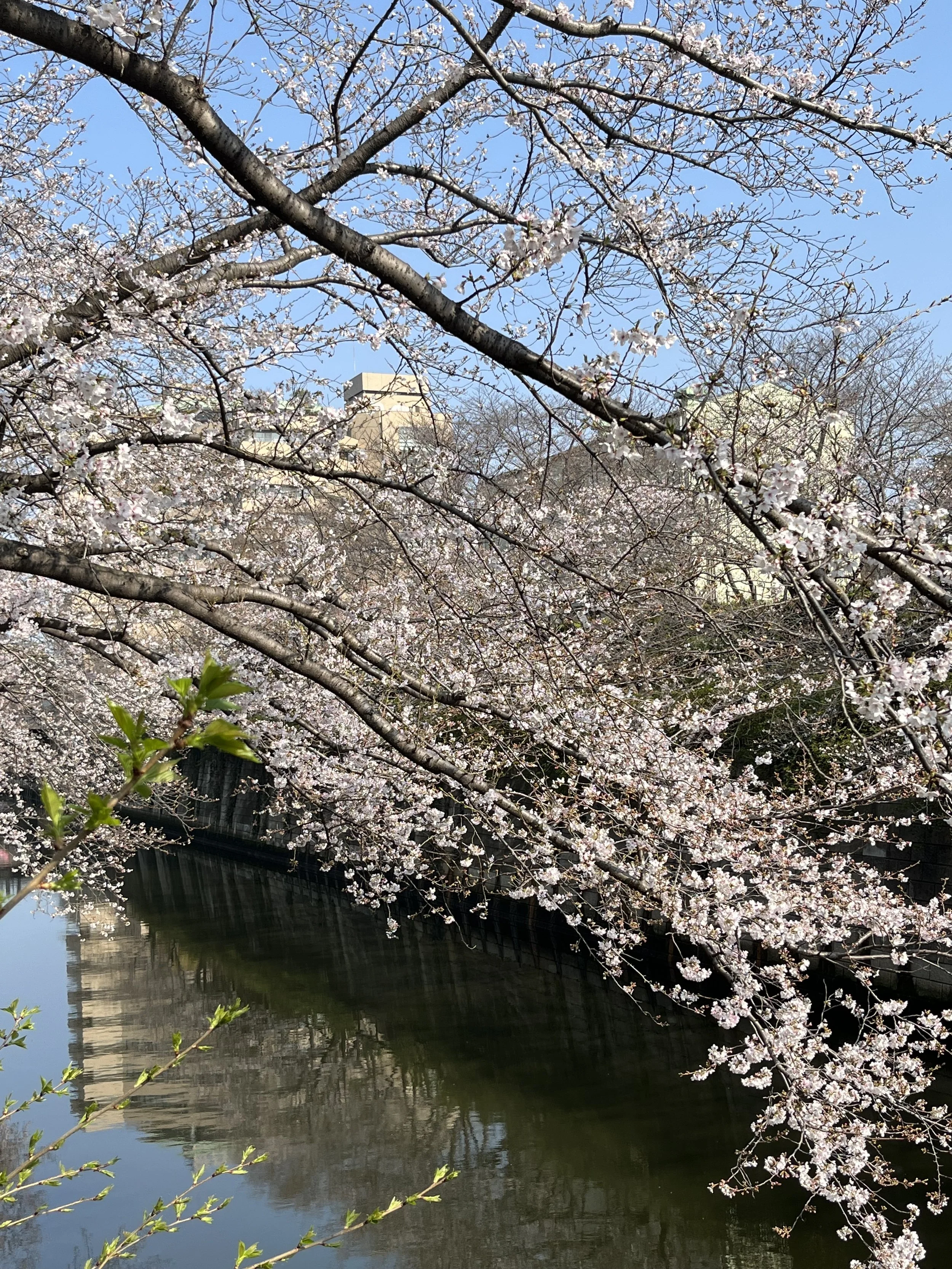
Sakura-Onigiri- Japanese Home Cooking and Sweets Class in Tokyo
Recognition Overseas
The culture of eating cherry blossoms is not widely known abroad. For most foreigners, sakura are "flowers to admire," with little recognition as "edible flowers."
The distinctive fragrance from salt-pickled sakura comes from coumarin, cherished by Japanese as the "scent of spring," but unfamiliar to many overseas.
In recent years, as Japanese cuisine spreads, sakura salt-pickles appear in restaurants or confectionery ingredients in Europe and America, but they remain far from everyday habits.
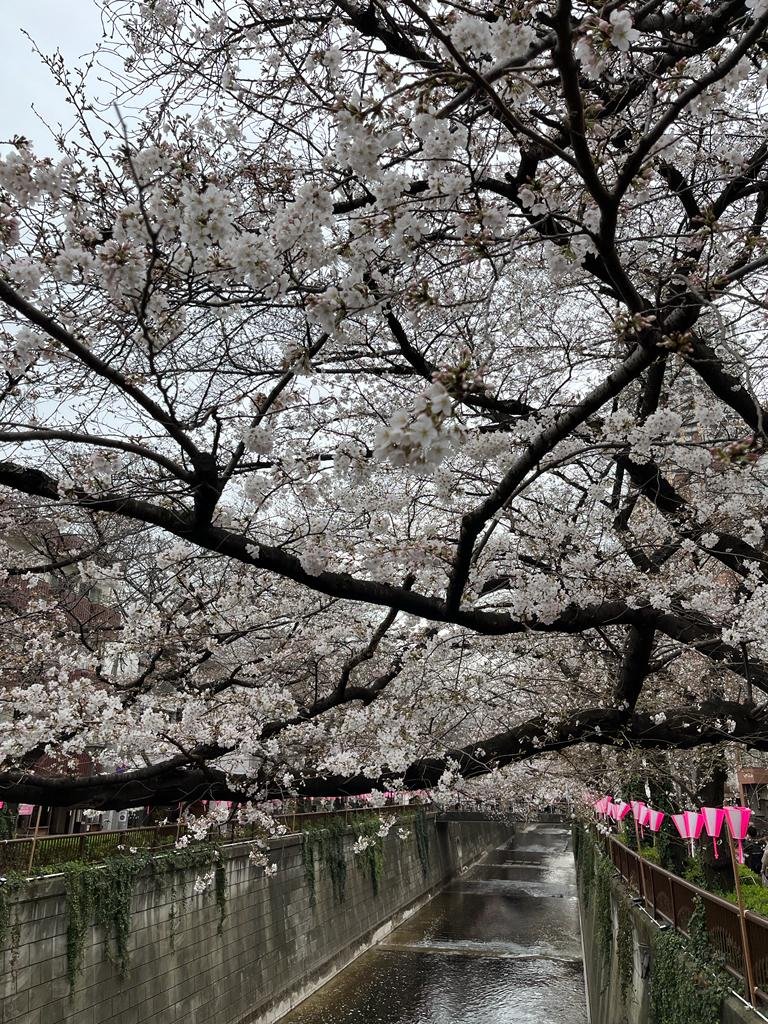
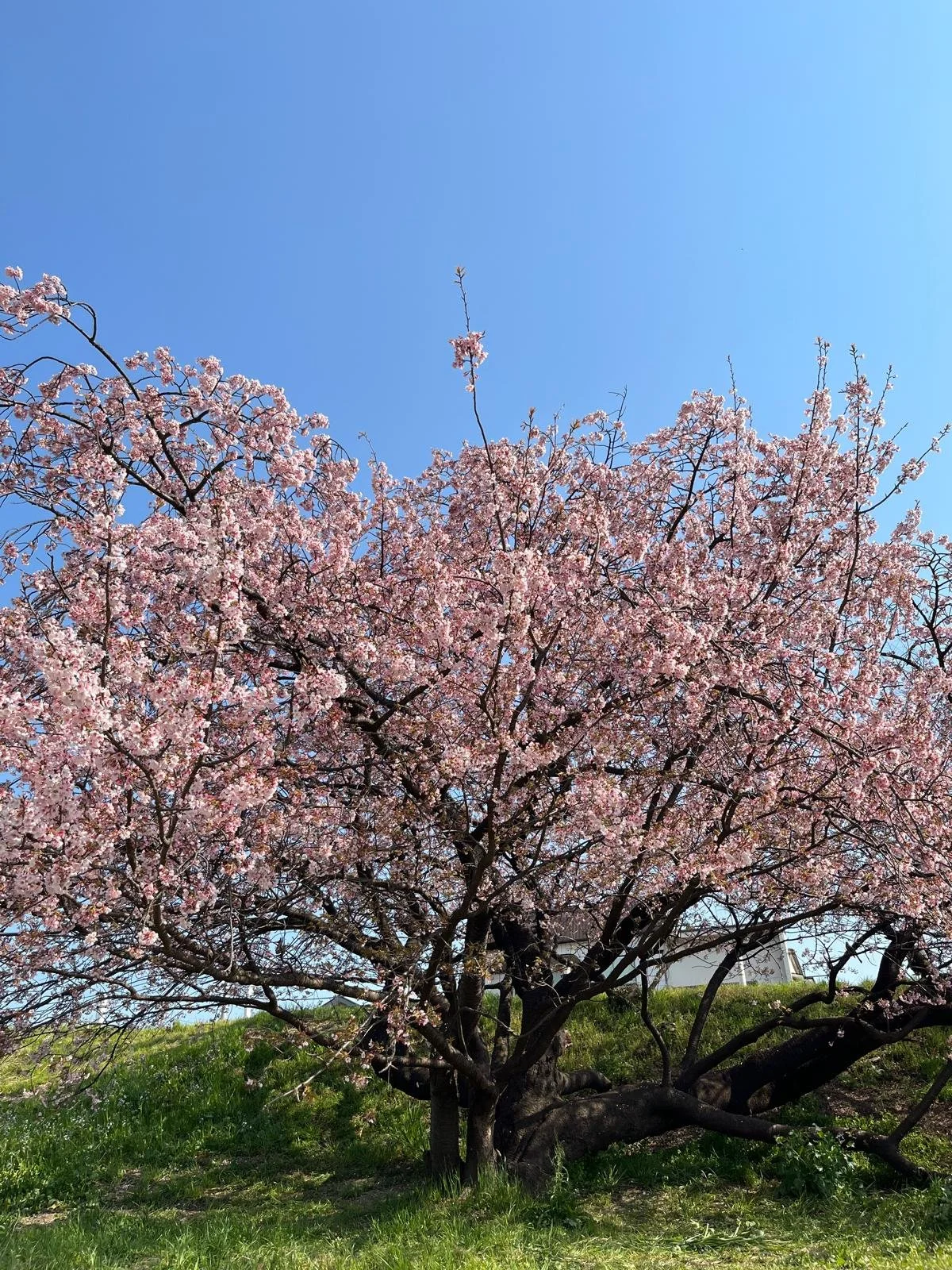
Meguro River in Tokyo
Reasons Unique to Japan
Japan favors yaezakura for eating, while overseas cherries are mainly grown for fruit (like sweet cherries), with no tradition of eating petals.
The Japanese sensibility of cherishing "the fleeting beauty of falling sakura" and viewing sakura as symbols of spring gave rise to salt-pickling as a preservation method.
Sakura-yu is a lucky drink served at weddings or betrothals, elegantly adorning joyous occasions. In essence, sakura salt-pickling fuses the hanami spirit of appreciating nature with traditional preservation techniques, making it profoundly Japanese.
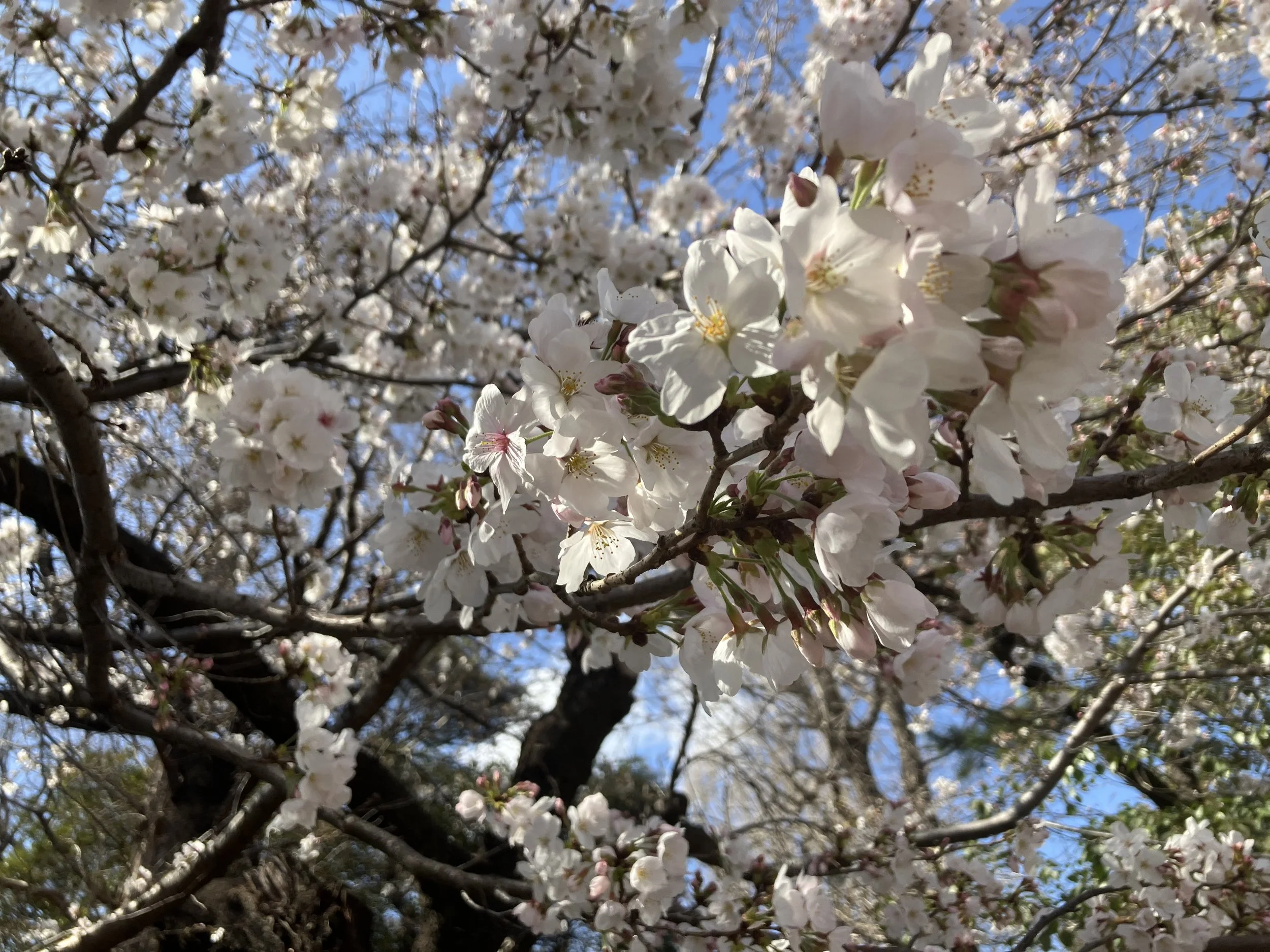
Sakura in Tama river in Tokyo
History of Sakura Salt-Pickling
The tradition of salt-pickling cherry blossoms dates back to the late Edo period in the Chimura district of Hadano City, Kanagawa Prefecture.
One theory holds it began with locals selling sakura salt-pickles to fund regional festivals. Another links it to tea houses along the Yagurazawa Okan road offering sakura-yu to travelers.
It spread among commoners and today is an indispensable lucky item for celebrations. Meanwhile, sakura leaf pickling originated in 1717 (Kyoho 2) at Nagamitsu Temple in Mukojima, Edo, as wrapping for sakura mochi, paving the way for sakura confectionery.
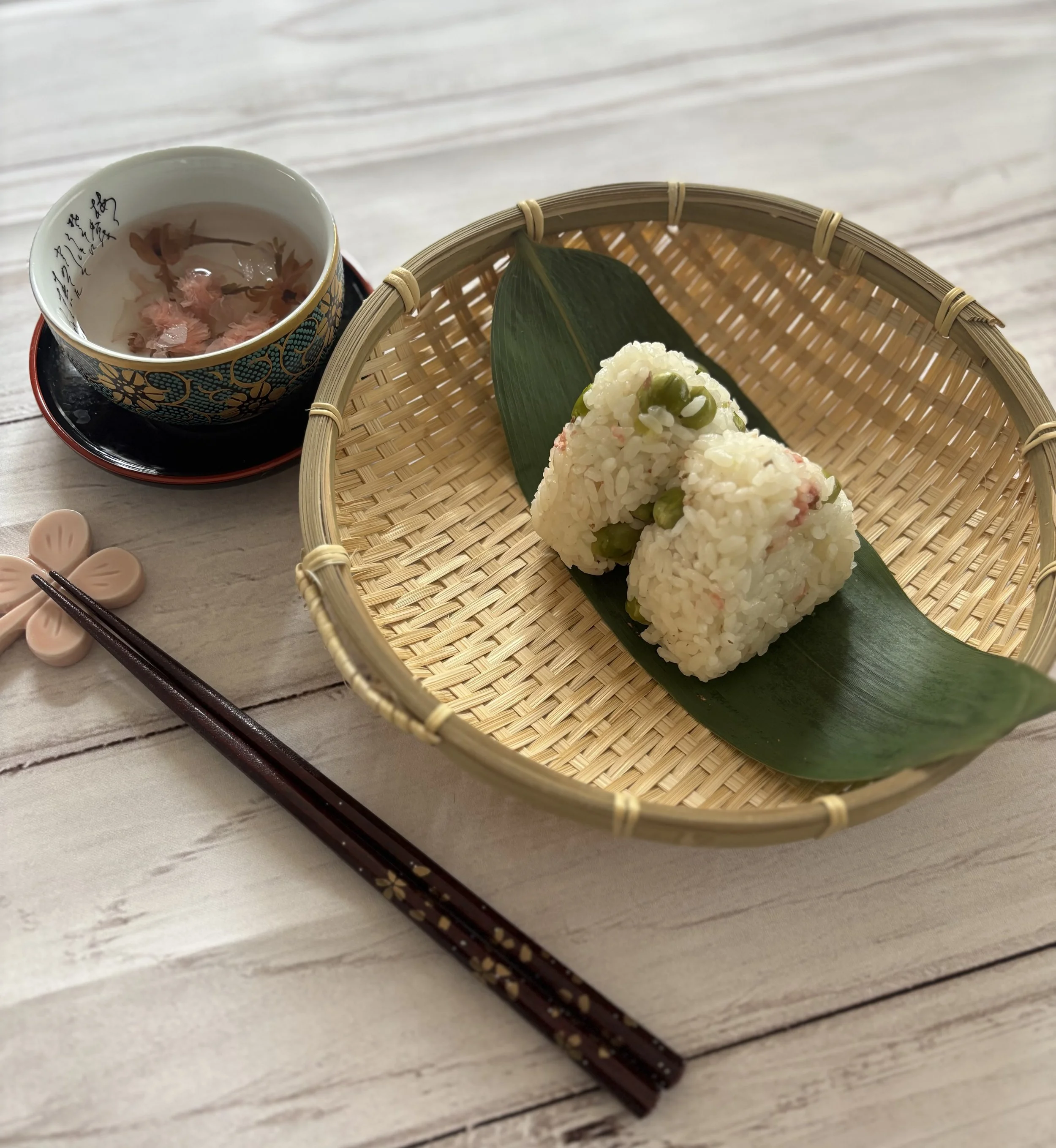
Sakura tea with Sakura-Onigiri- Japanese Home Cooking and Sweets Class in Tokyo
How to Make Sakura Salt-Pickle
Sakura salt-pickle is a traditional Japanese preserved food made by pickling yaezakura buds or half-to-three-quarters blooming flowers in salt and ume vinegar.
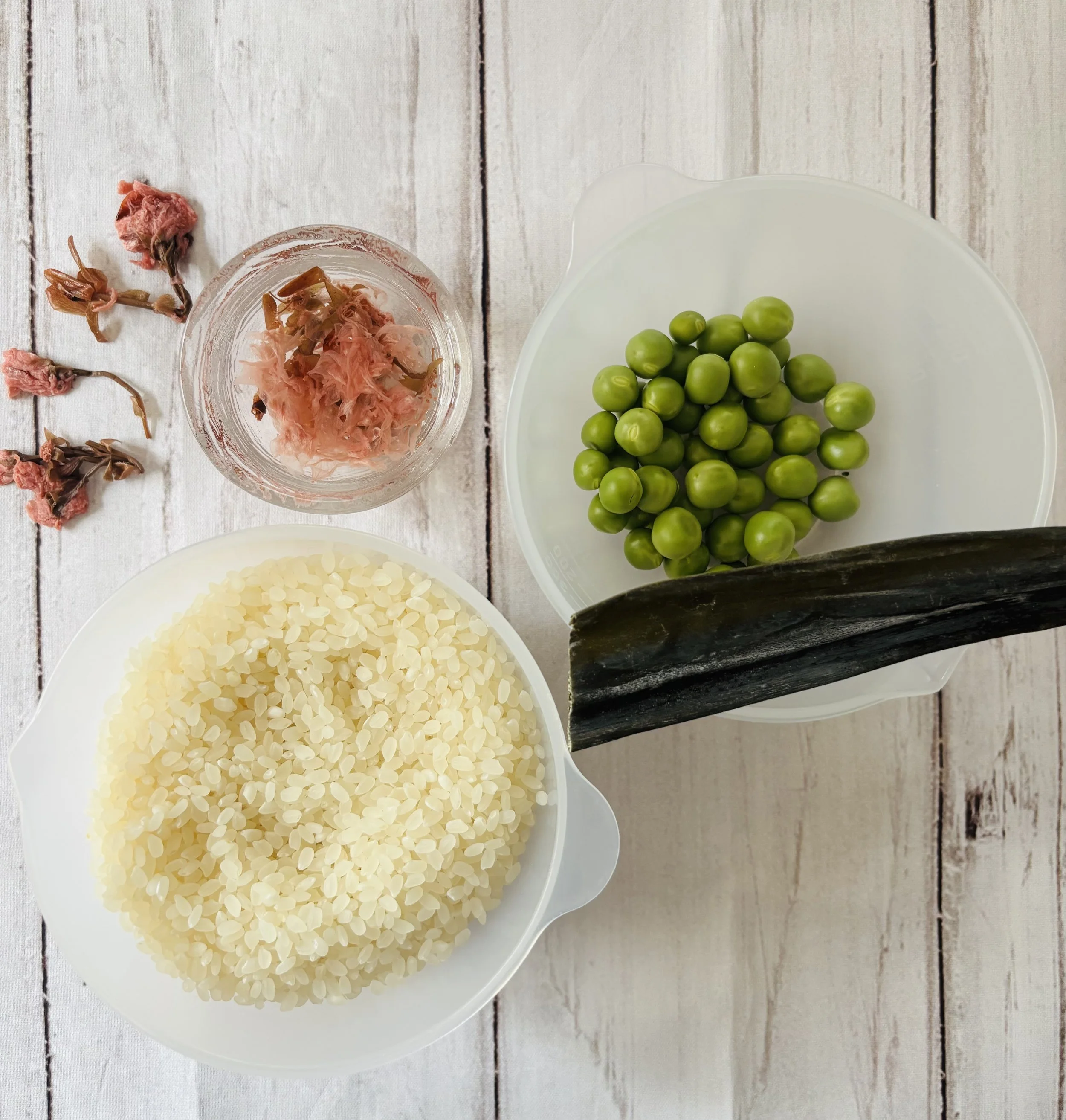
Ingredients (for about 200g sakura)
Yaezakura flowers: 200g (pesticide-free, ideally 50-70% bloomed; pesticide-free recommended)
Coarse salt (for initial brining): 20-30% of sakura weight (about 40-60g)
White or red ume vinegar (for coloring): as needed (about 100ml)
Salt for storage: as needed (about 30g)
Sakura-Onigiri- Japanese Home Cooking and Sweets Class in Tokyo
Sakura-Onigiri- Japanese Home Cooking and Sweets Class in Tokyo
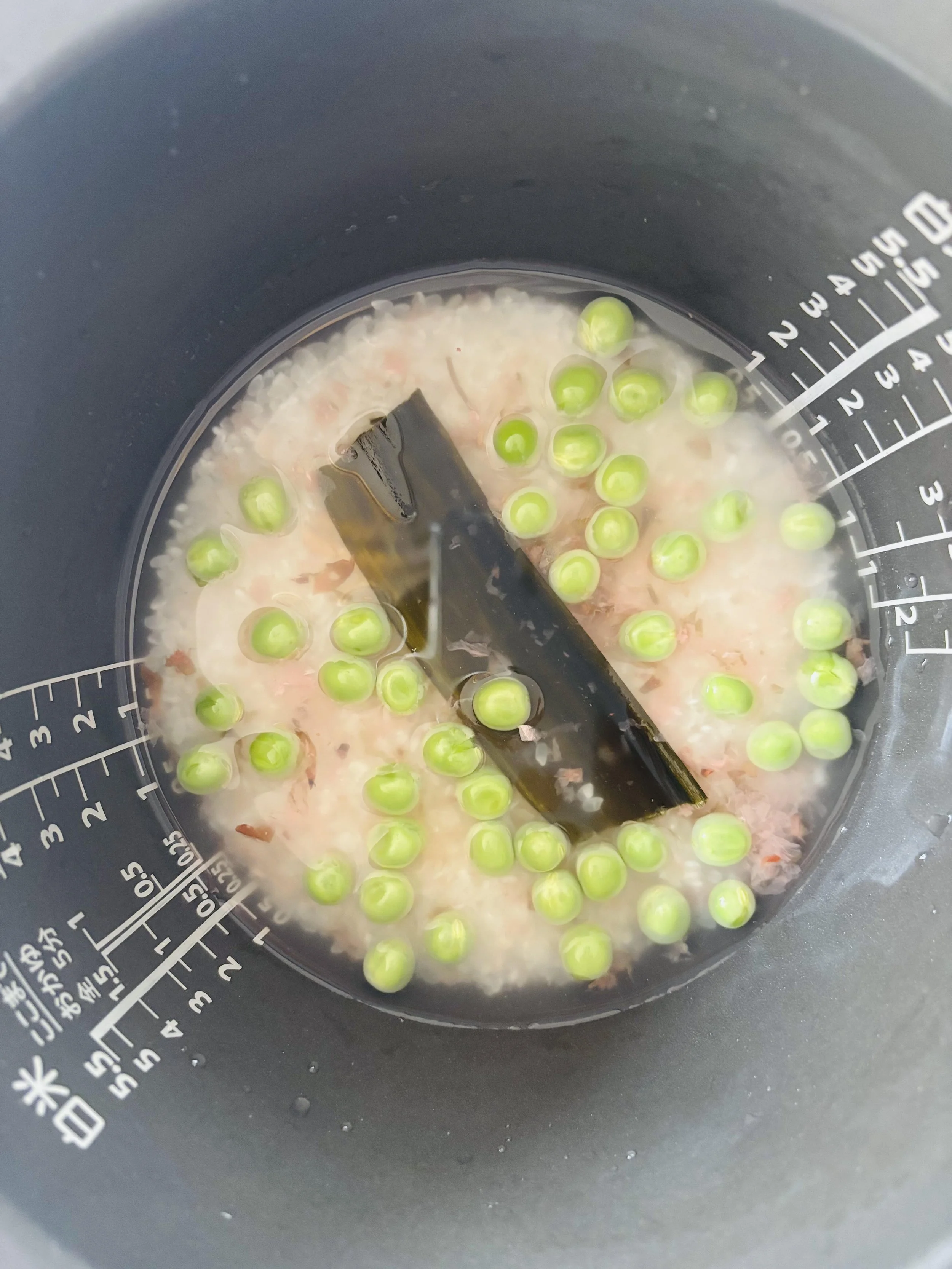
Steps
Gently remove flowers from stems, wash lightly in water to remove dirt, drain in a colander, pat dry with clean cloth or paper towels, and remove small sepals or debris.
Layer salt and sakura alternately in a sterilized container, weight down, and brine in the fridge for 1-2 days. Tilt occasionally to distribute salt; squeeze out moisture when released.
Pour ume vinegar over squeezed sakura to cover, weight down, and leave in fridge 3-4 days until color brightens and fragrance develops, then squeeze firmly.
Loosen sakura, spread on a sieve in a breezy semi-shaded spot for 2 half-days (keep slightly moist), coat with storage salt, pack into clean jars, and refrigerate.
Sakura-Onigiri- Japanese Home Cooking and Sweets Class in Tokyo