Todoroki Valley is the only natural valley in Tokyo’s 23 wards, located in Setagaya. Stretching about 1 km along the Yazawa River, it offers a peaceful walking path surrounded by lush greenery.
Todoroki Valley in Setagaya city- Japanese Home Cooking and Sweet Class in Tokyo
Formed by erosion of the Musashino Plateau, the valley features dense woodland and a gentle stream. It is designated as a Tokyo “Place of Scenic Beauty” and is محبوب as an urban oasis—perfect for a relaxing walk or forest bathing.
Highlights
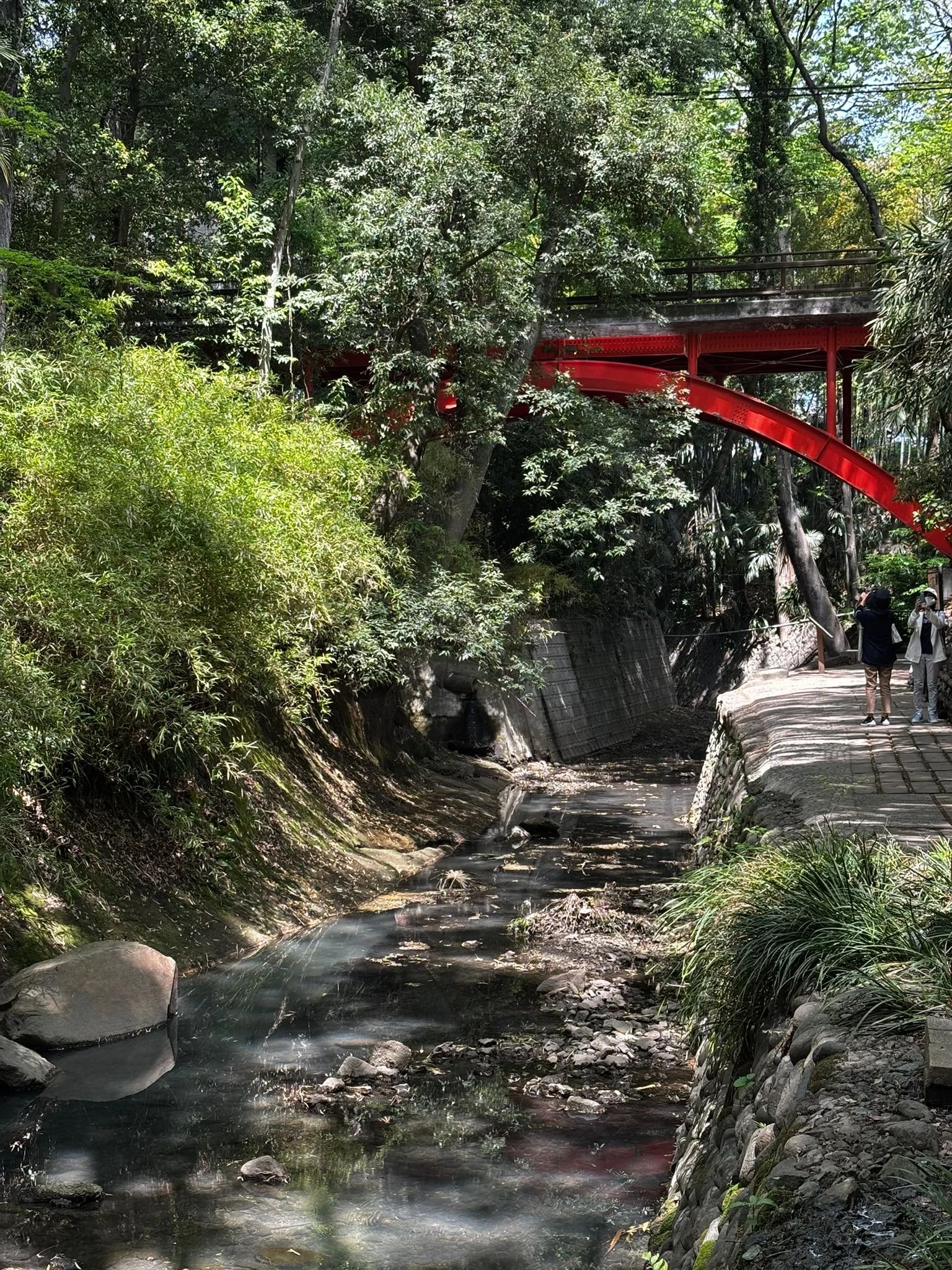
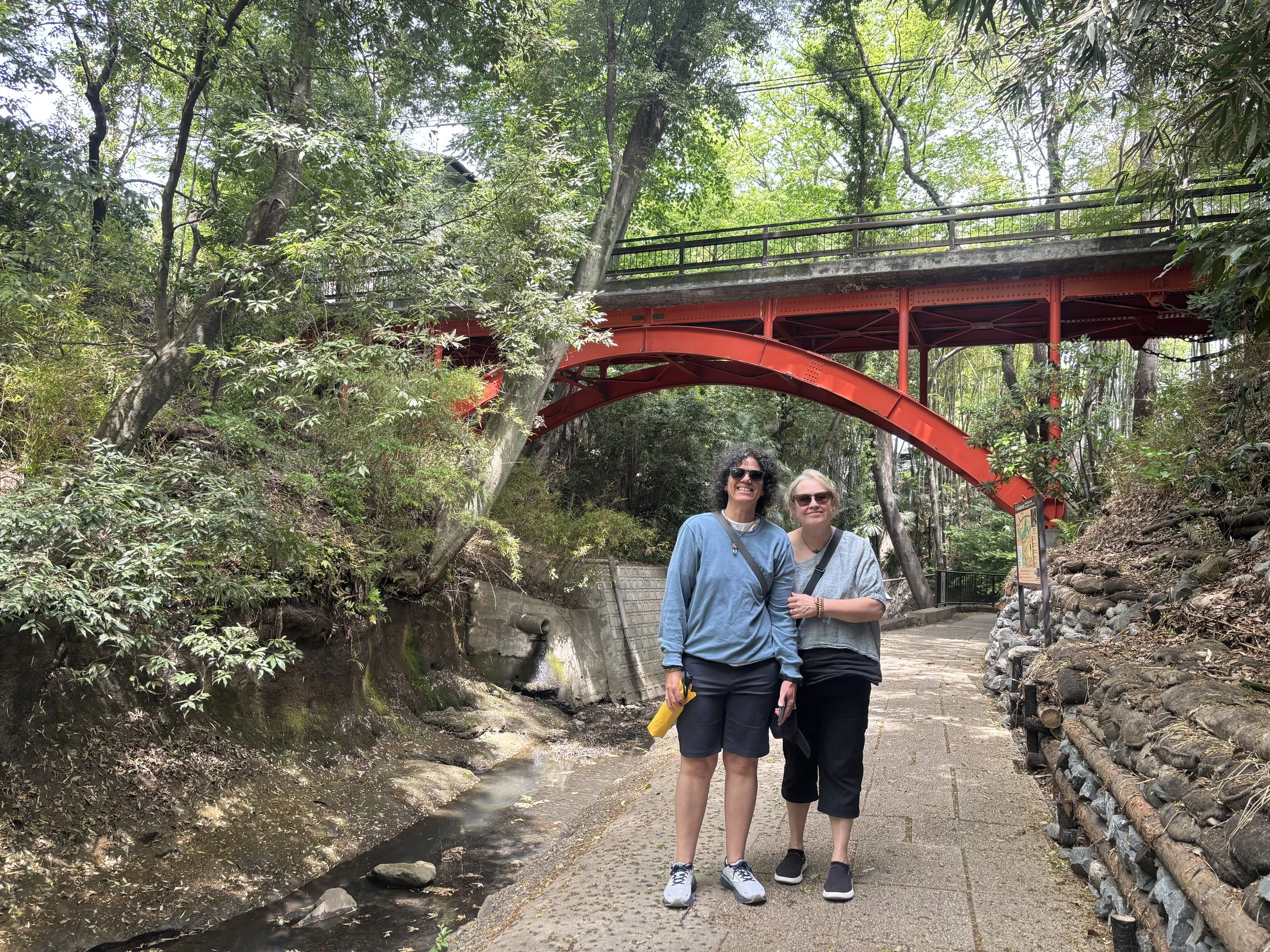
One of the most iconic sights is the bright red arched “Golf Bridge” near the entrance.
Further along, you’ll find Fudo Falls, where spring water flows down the cliff in two streams. This spot is considered a spiritual power spot and is said to be the origin of the name “Todoroki.”
If you continue, you can climb up to Todoroki Fudoson Temple, where an observation deck offers views of Mt. Fuji on clear days.
Todoroki Valley in Setagaya city- Japanese Home Cooking and Sweet Class in Tokyo
Todoroki Valley in Setagaya city- Japanese Home Cooking and Sweet Class in Tokyo
An enjoyable walk along a beautiful valley stream with TOMOKITA- Todoroki Valley in Setagaya city- Japanese Home Cooking and Sweet Class in Tokyo
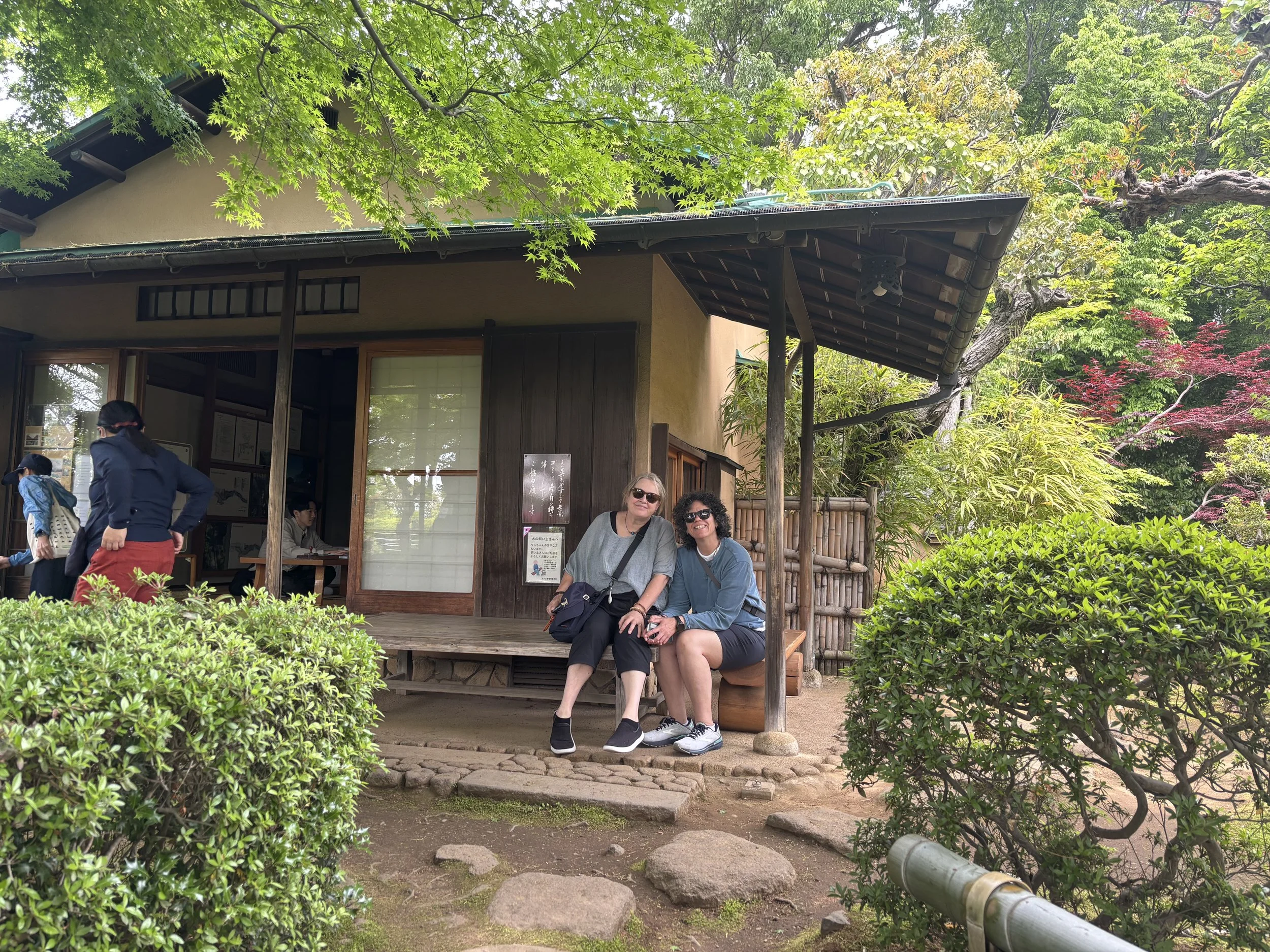
Overview of Todoroki Valley Japanese Garden
Located at the southern end of Todoroki Valley's innermost area, the Todoroki Valley Japanese Garden (also known as Todoroki Valley Park Japanese Garden) is a promenade-style pond garden designed in 1973 (Showa 48) by the renowned Showa-era landscape architect Iida Juuki. It masterfully utilizes the natural slope, harmoniously blending bamboo groves, ponds, waterfall stone arrangements, stone paving, and mixed woodlands to create a scenic, rural mountain village landscape. This garden is considered a pioneering example of the modern mixed-wood garden style.
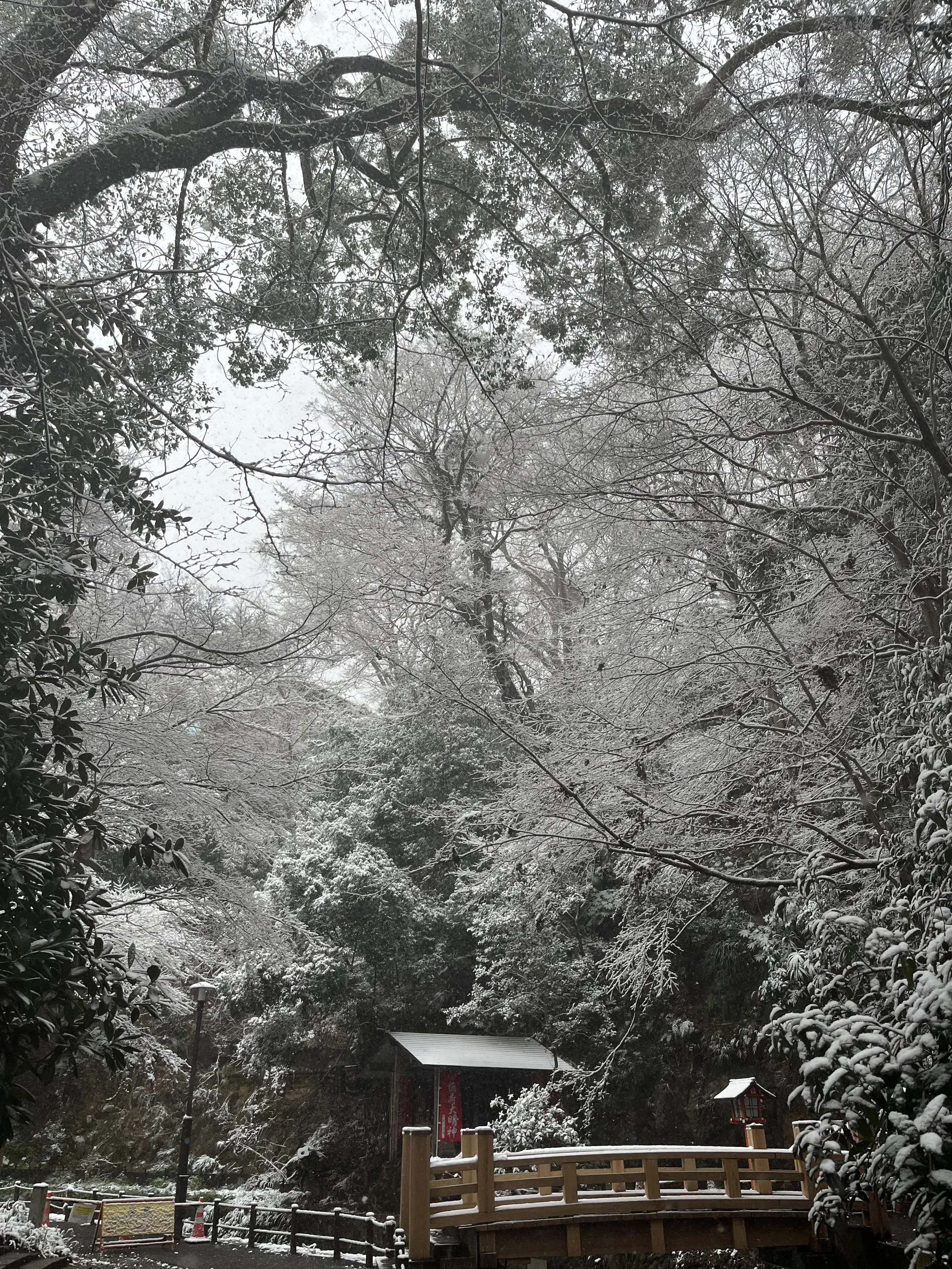
Winter landscape-Todoroki Valley in Setagaya city- Japanese Home Cooking and Sweet Class in Tokyo
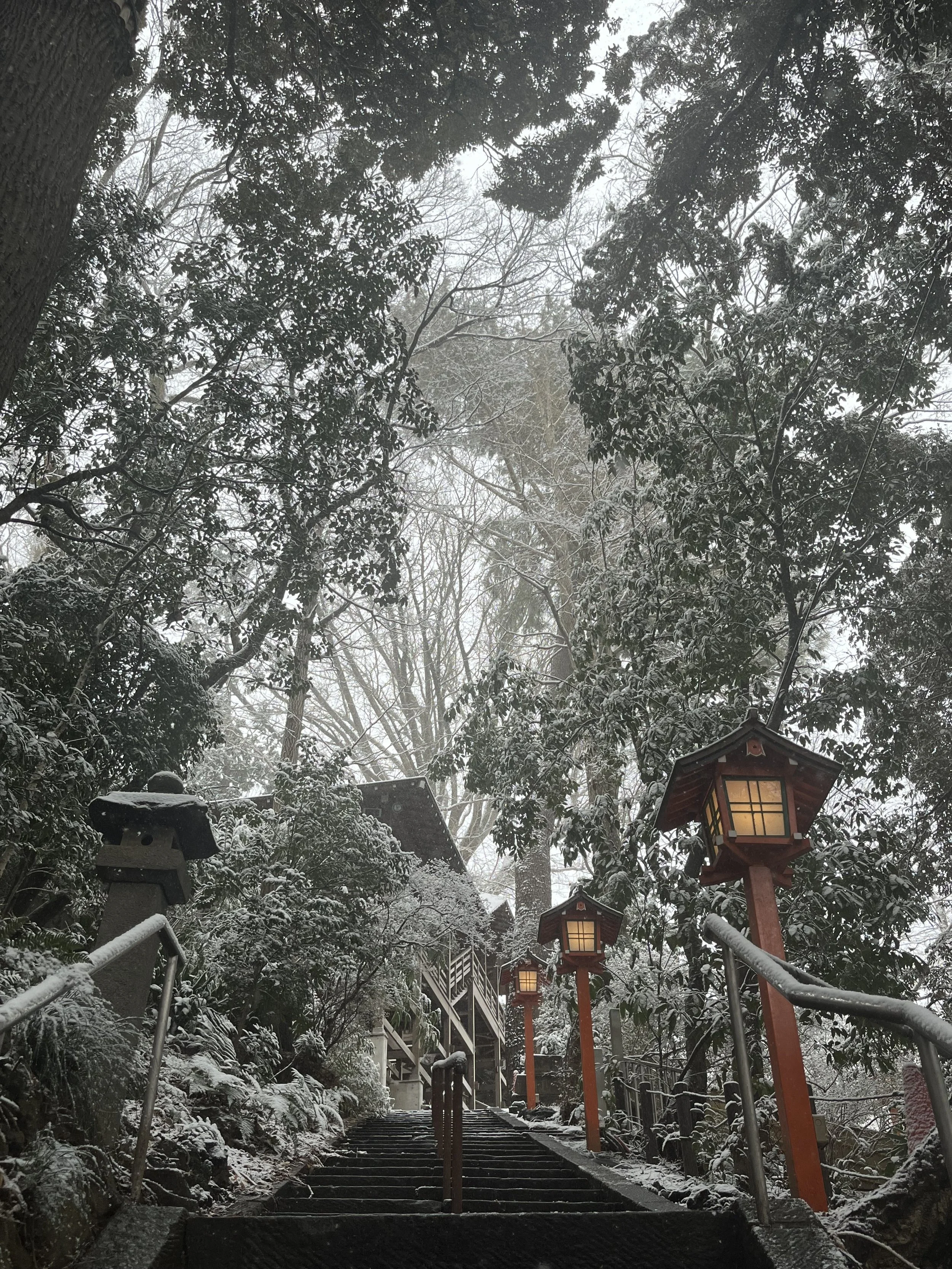
Winter landscape- Todoroki Temple in Setagaya city- Japanese Home Cooking and Sweet Class in Tokyo
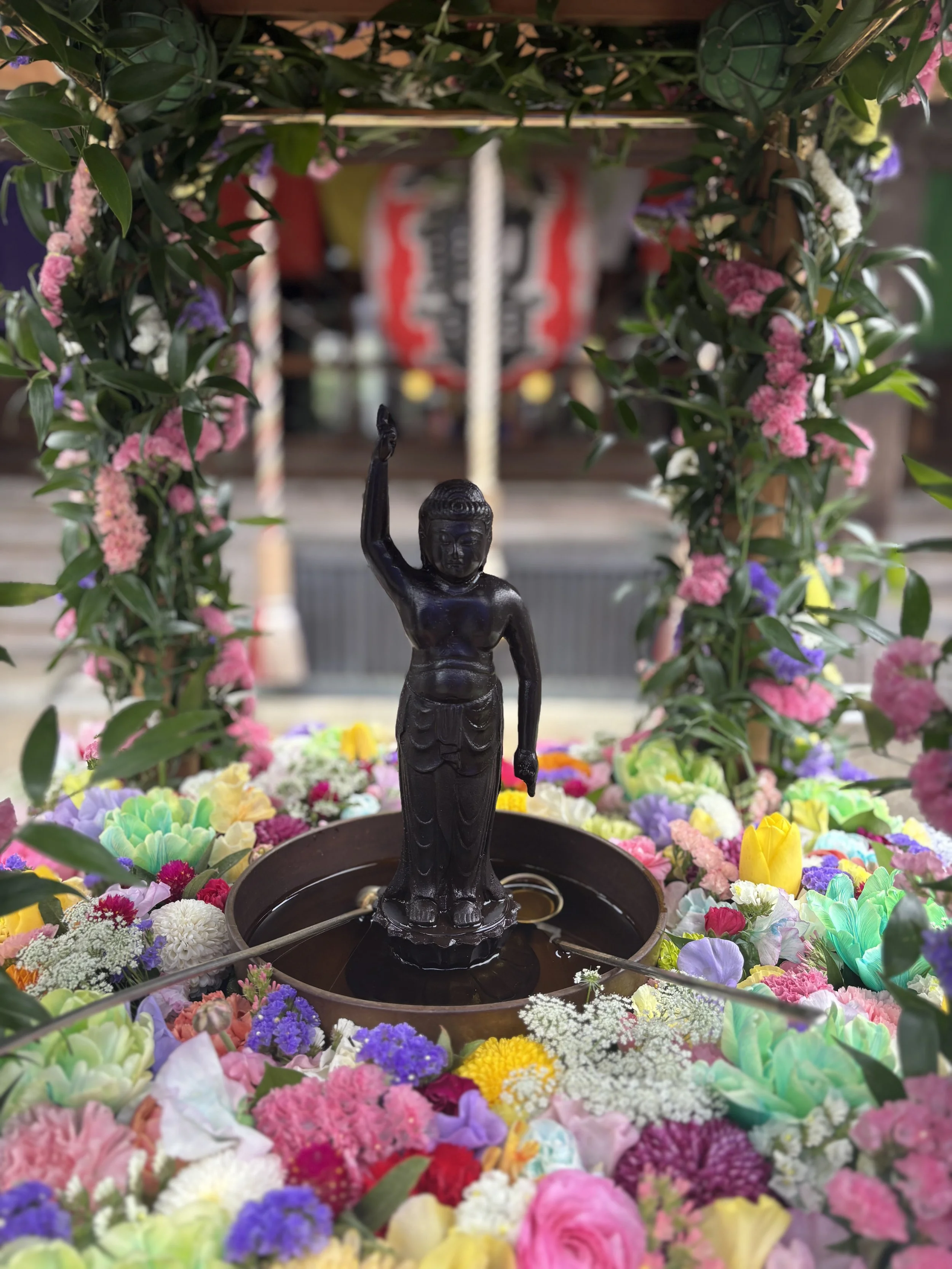
Hanamatsuri (also known as Kanbutsue) is a traditional Buddhist event celebrating the birthday of Shakyamuni Buddha, the founder of Buddhism, primarily held around April 8.
Origin and Significance
Shakyamuni Buddha is said to have been born about 2,500 years ago in the Lumbini Garden in Nepal. Legend has it that immediately after birth, he took seven steps and declared, "Heaven above, heaven below, only I am the honored one." A flower hall (a small shrine) is decorated with flowers, housing the birth Buddha statue (depicting the infant Buddha). Sweet tea (amacha) is poured over it to commemorate the birth. This tea symbolizes the sweet rain poured by a nine-headed dragon, believed to prevent illness. This photo shows a golden birth Buddha statue placed in the flower hall, surrounded by colorful flowers, capturing the vibrant atmosphere of Hanamatsuri.
Main Events at Temples
Held at temples nationwide, key activities include pouring amacha over the statue, memorial services, and chigo processions (children parading in colorful costumes). For example, at Senso-ji Temple in Asakusa, flower halls are set up in front of the main hall and the five-story pagoda, drawing large crowds. In some regions like Tohoku and Hokuriku, it may be held on May 8 to align with cherry blossom season. In 2026, it falls on April 8 (Wednesday), with special services planned at temples offering eternal memorial rites. This image depicts the traditional ritual where devotees use bamboo ladles to pour sweet tea over a golden Buddha statue standing in a wooden tub.
Examples of Temples Near Tokyo: In Tokyo, grand celebrations take place at places like Todoroki Fudo-son (near your area in Setagaya), Senso-ji Temple, and Shimizu Kannon-ji Temple, often with amacha distributed to families and children.
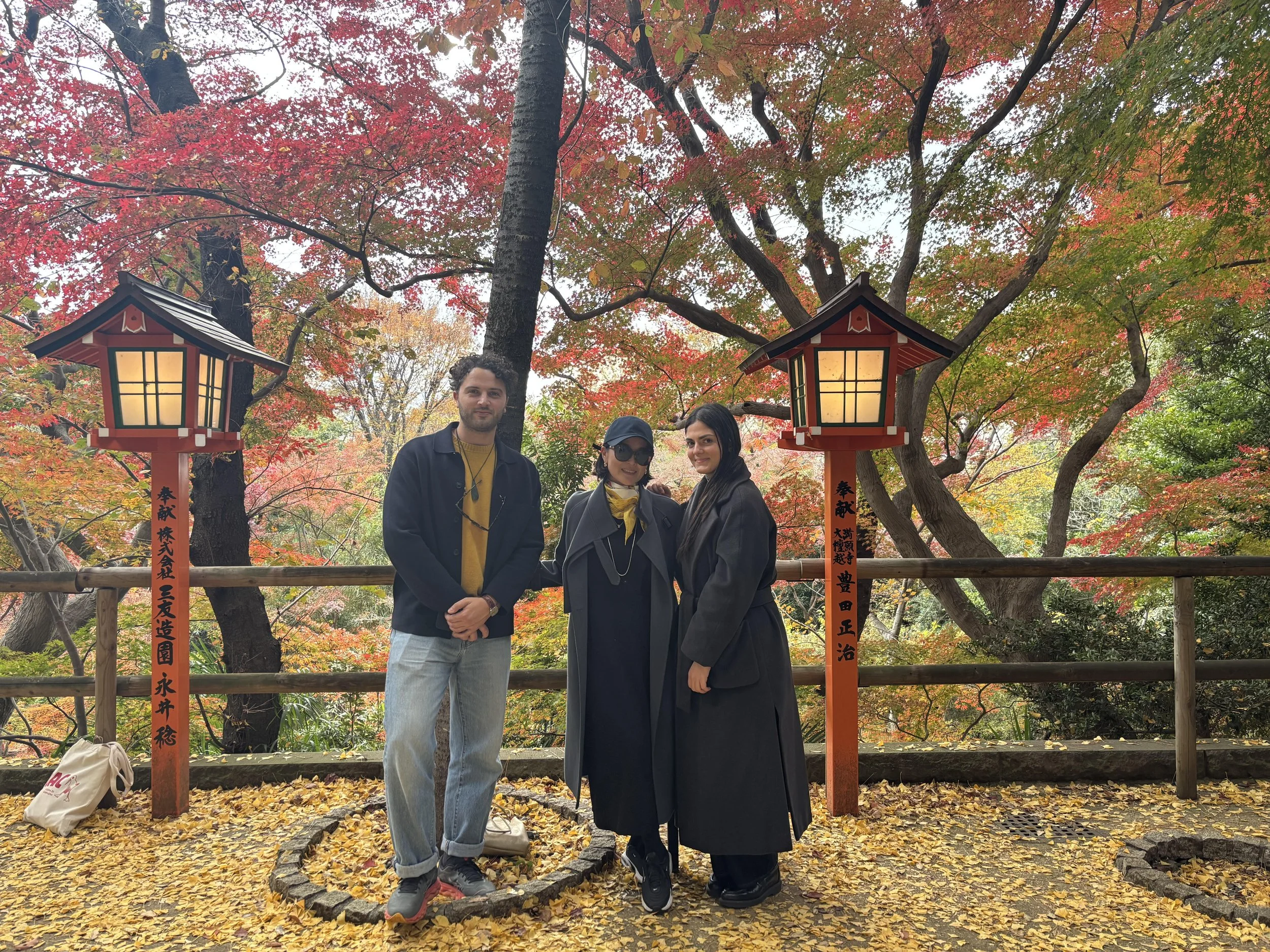
Todoroki Fudoson is a temple of the Shingon Chizan school located in Todoroki Valley, Setagaya Ward, Tokyo, and its official name is “Ryūdōzan Myōōin.”
It is a sub-temple of Manganji, and its principal image is Fudo Myo-o.
History: According to temple tradition, in the late Heian period, the Buddhist priest Kakuban received a revelation in a dream, discovered this area as a sacred site, and enshrined a statue of Fudo Myo-o here.
The present main hall was built in the late Edo period, and the worship hall and gate were moved from Manganji.
Features: One of the major attractions of Todoroki Fudoson is its landscape, which blends with Todoroki Valley, the only valley in Tokyo’s 23 wards.
The precincts also include Fudo no Taki, a waterfall, and the site is known as a quiet sacred place where nature and faith come together.
Benefits: As a temple dedicated to Fudo Myo-o, it is believed to bring blessings such as the fulfillment of wishes, protection from misfortune, and good relationships.
It is also the 17th temple of the Kanto Thirty-Six Fudo Pilgrimage.
Access: The nearest station is Todoroki Station on the Tokyu Oimachi Line, about a 9- to 10-minute walk away.