Arita Imari Japanese Ware- Japanese Home Cooking and Sweets Class in Tokyo
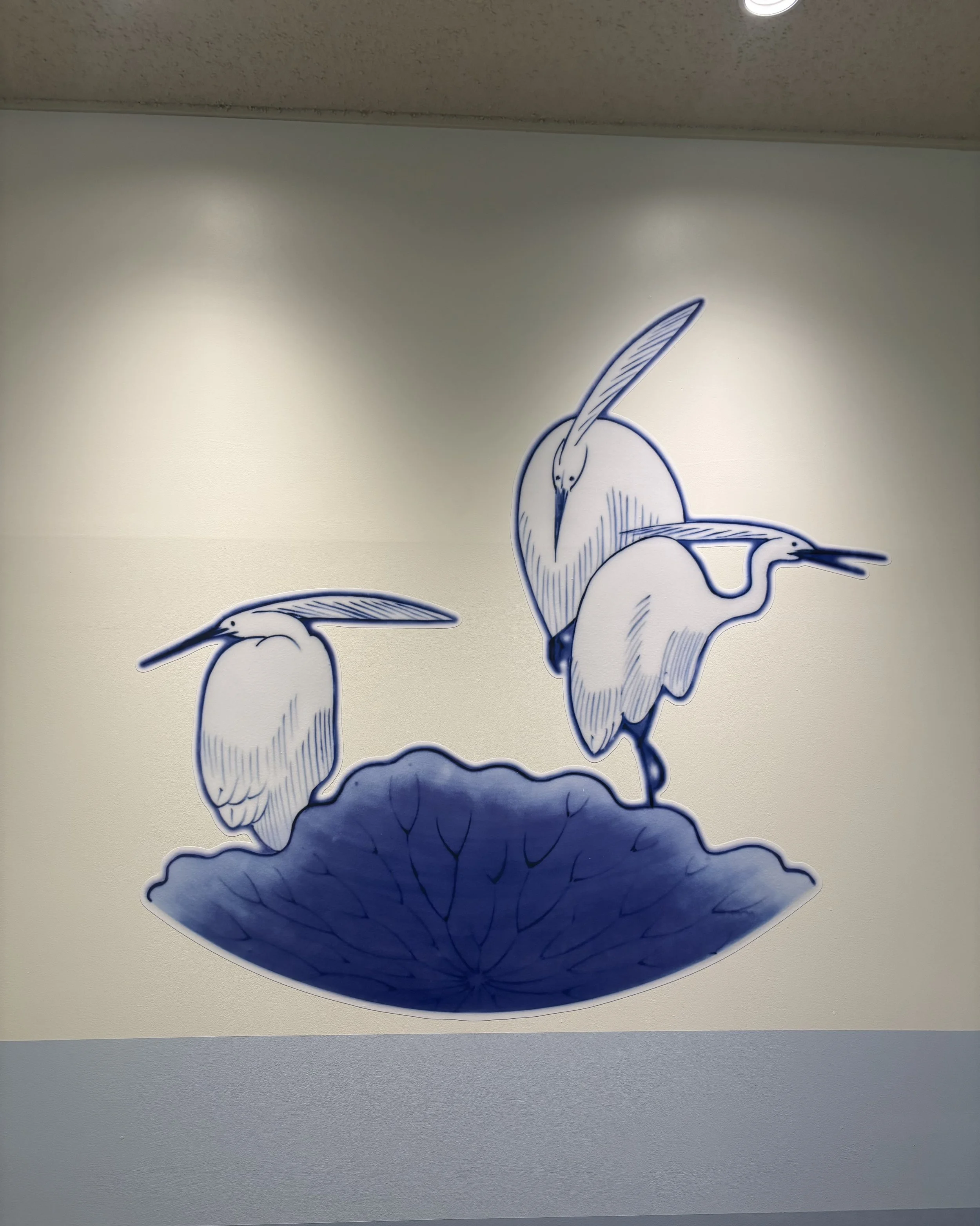
Arita-Imari ware is the representative porcelain of Saga Prefecture, characterized by its translucent white body and vibrant decorations, such as blue underglaze designs and red overglaze paintings. Historically, porcelain produced in Arita was shipped from Imari Port, which is why it is also known as “Imari ware”; the two have been treated as ceramics of virtually the same lineage.
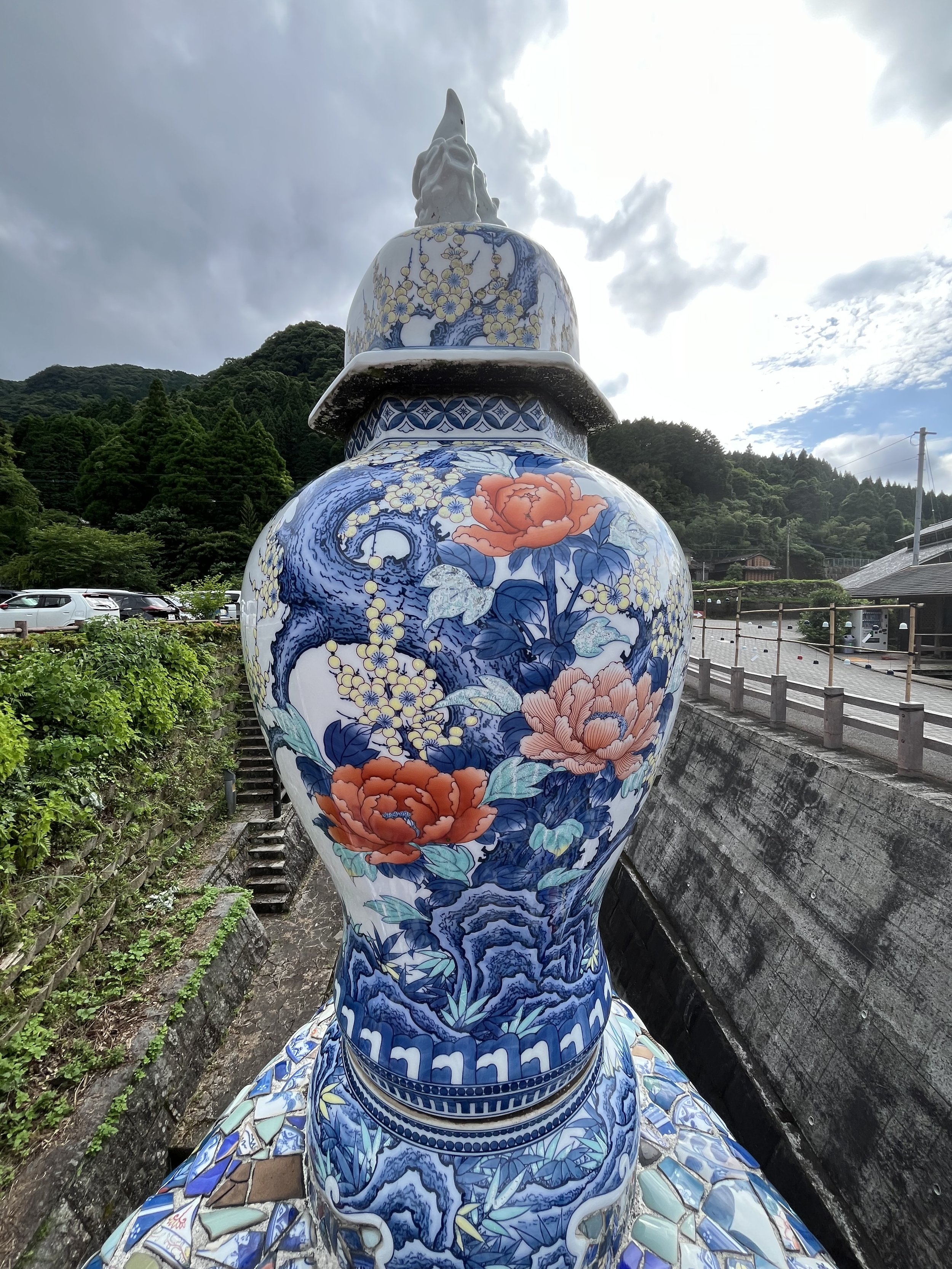
Arita Imari Japanese Ware- Japanese Home Cooking and Sweets Class in Tokyo
History
Arita ware is believed to have originated in the early 17th century and is known as Japan’s first porcelain.
Its origins are traced to the potter Lee Sanpei, who came from the Korean Peninsula and discovered porcelain clay in Arita, leading to the expansion of production.
Subsequently, as the ware was distributed both domestically and internationally via Imari Port, the name “Imari ware” became firmly established.
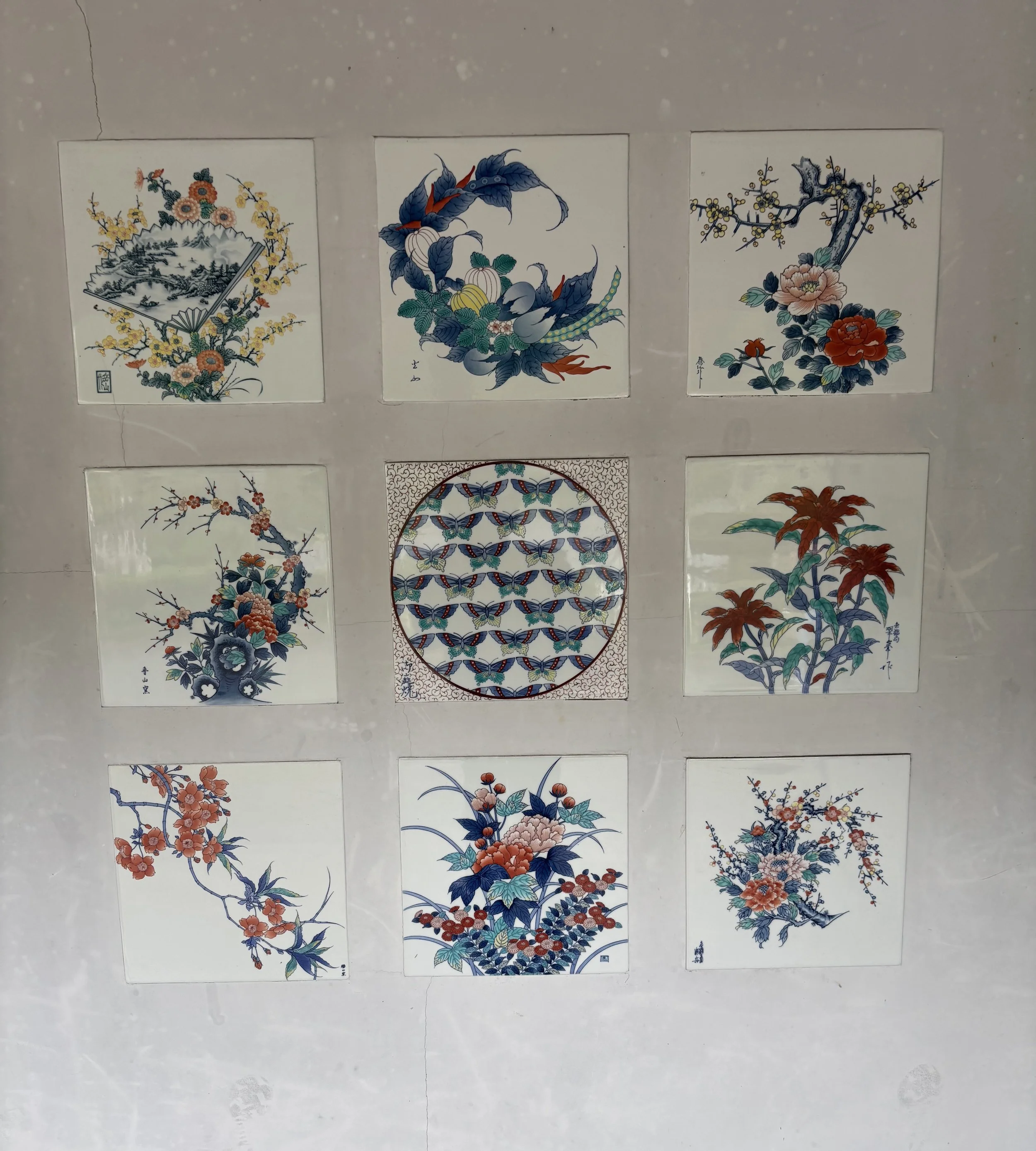
Arita Imari Japanese Ware- Japanese Home Cooking and Sweets Class in Tokyo
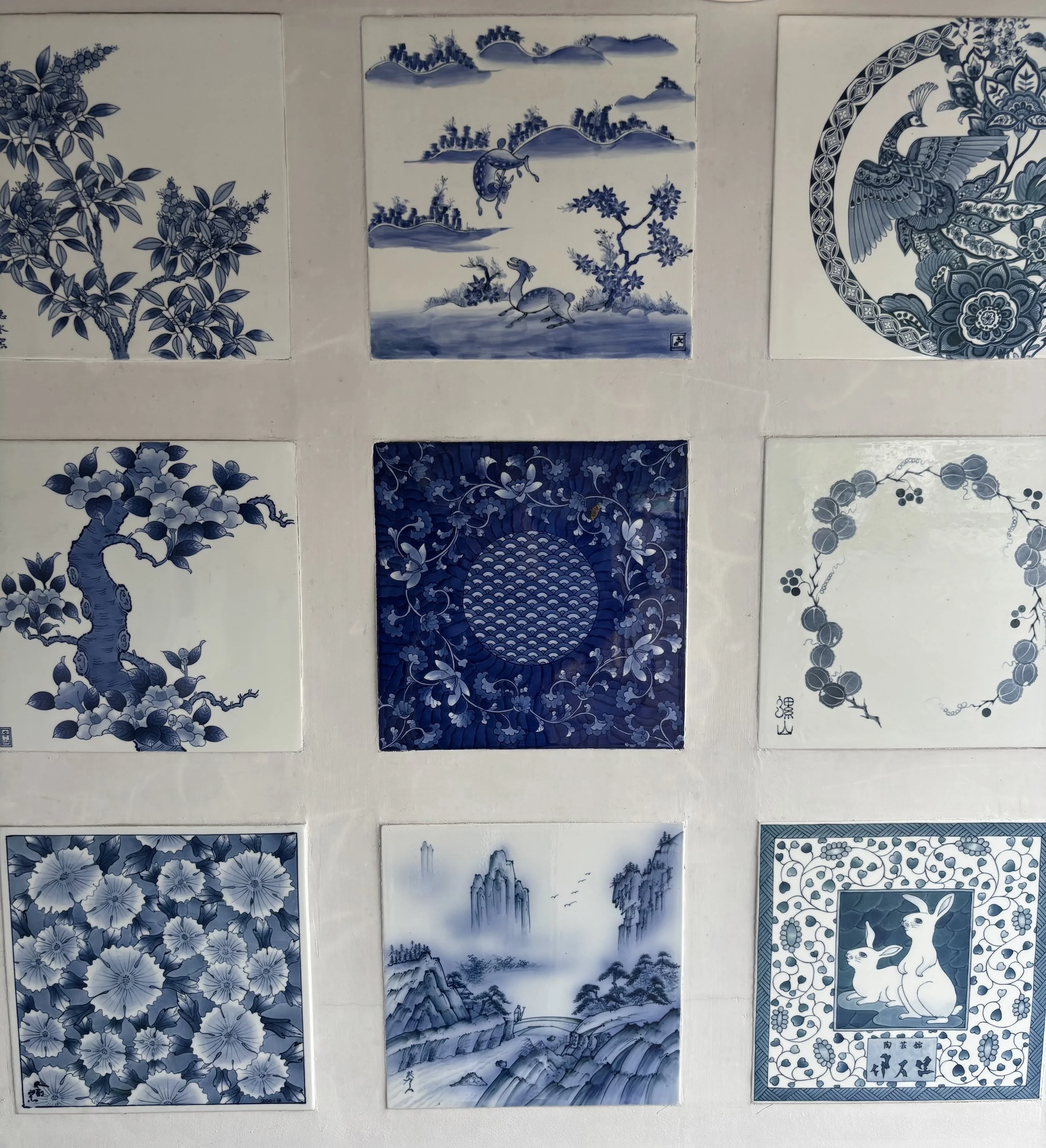
Arita Imari Japanese Ware- Japanese Home Cooking and Sweets Class in Tokyo
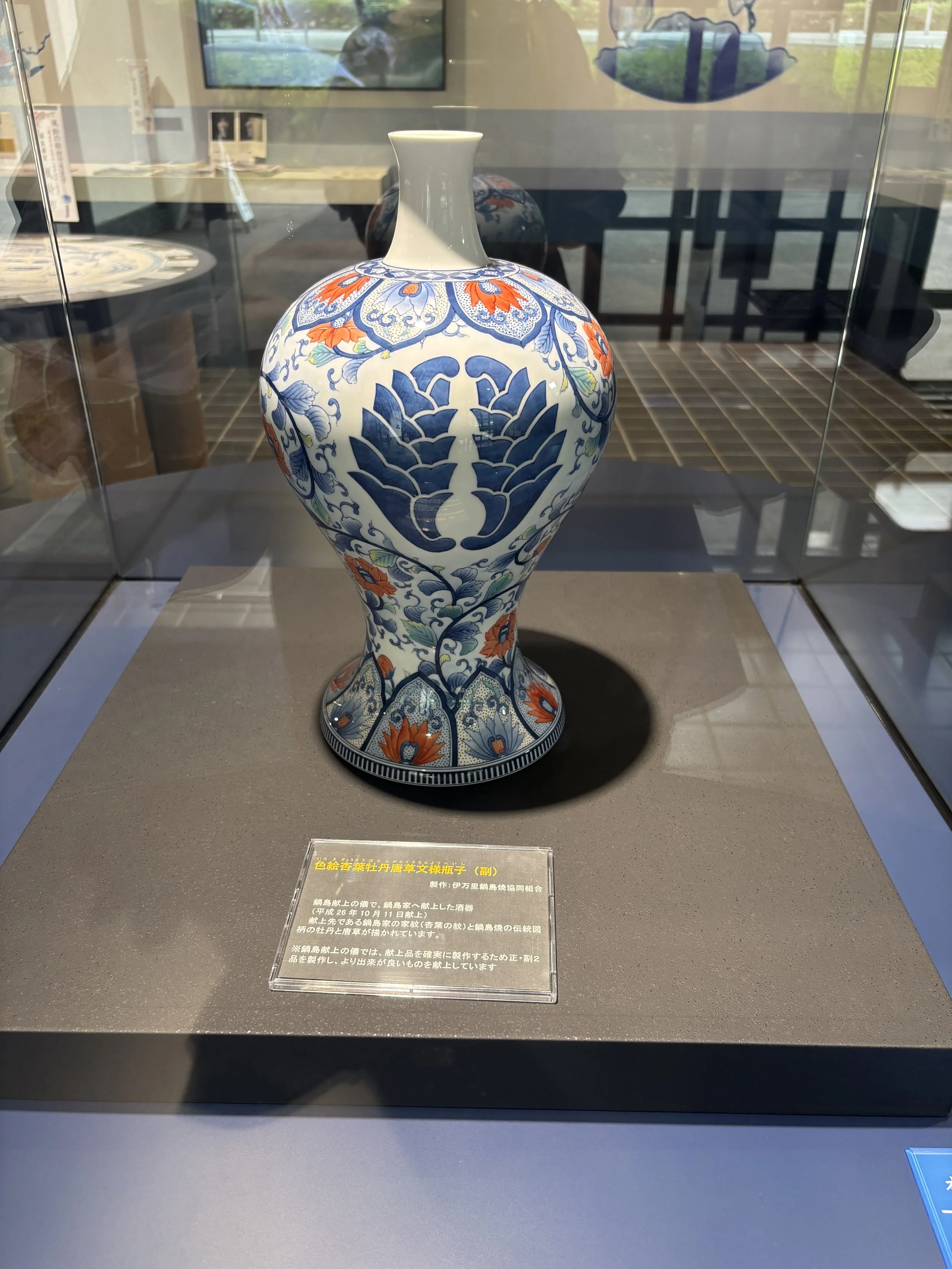
Arita Imari Japanese Ware- Japanese Home Cooking and Sweets Class in Tokyo
Characteristics
It is a white, hard-bodied porcelain suitable for both everyday use and as works of art.
Delicate and ornate decorations are common, such as the blue of “Sometsuke,” the red of “Akae,” and gold accents.
Styles such as Ko-Imari, Kakiemon, and Nabeshima are particularly famous.
Distinguishing Between the Two
While “Arita-yaki” and “Imari-yaki” are sometimes treated as strictly distinct categories today, historically they overlap significantly.
Generally, it is easiest to understand “Arita-yaki” as referring to the production area around Arita Town, while “Imari-yaki” is used to encompass the broader history of trade through Imari Port and in a wider sense.
Arita Imari Japanese Ware- Japanese Home Cooking and Sweets Class in Tokyo
Arita Imari Japanese Ware- Japanese Home Cooking and Sweets Class in Tokyo
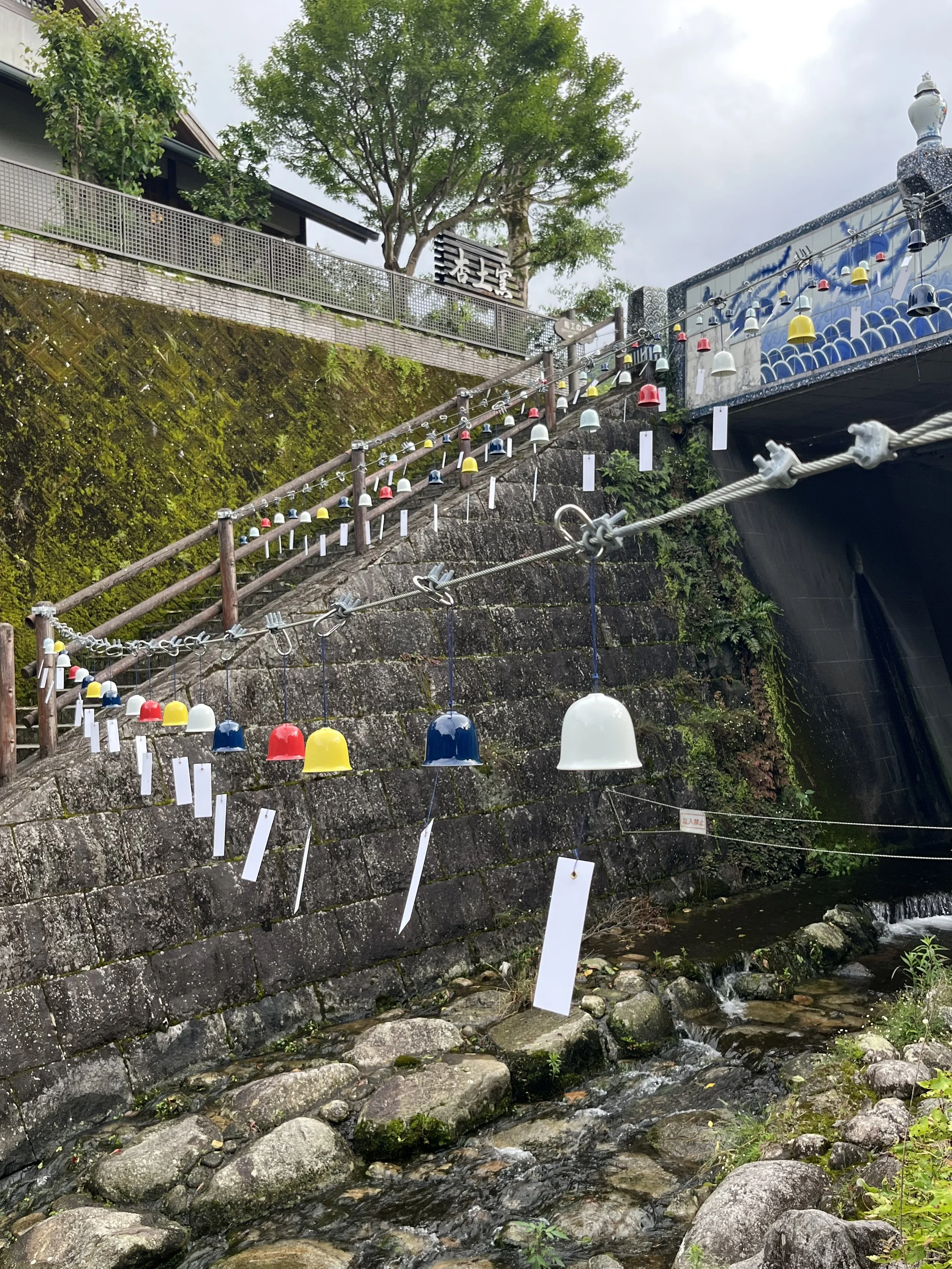
A classic symbol of Japanese summer—the wind chimes were so cute.
In a nutshell
It is an elegant and practical type of pottery that boasts Japan’s oldest porcelain tradition.
It looks stunning as tableware, making it an excellent choice for serving Japanese cuisine.