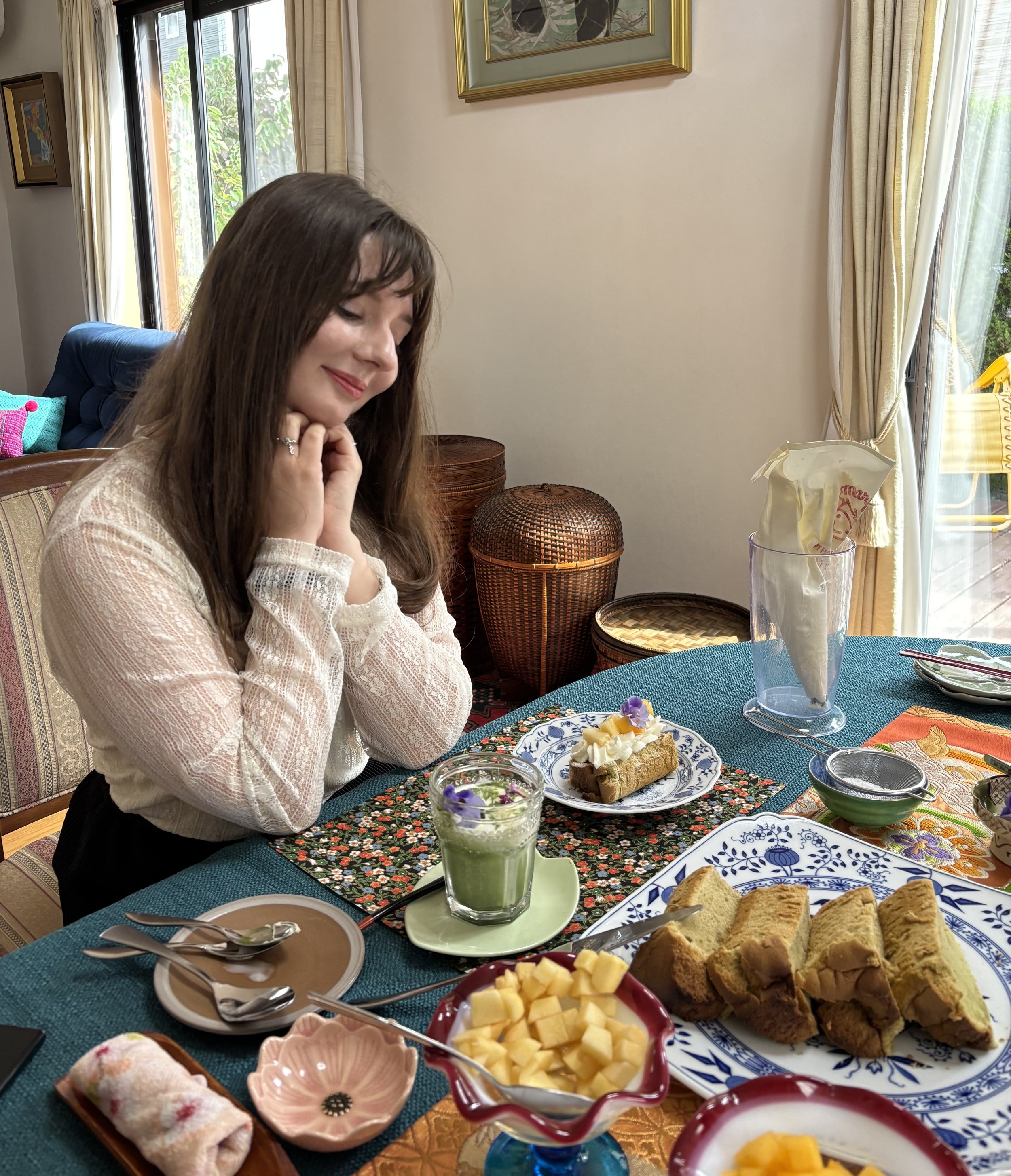
Everything Matcha Class-Japanese home cooking class in Tokyo
Whisk, sip, and bake your own matcha masterpieces with a Tokyo local—an unforgettable taste of Japanese tea culture.
Why not take the tastes and techniques you learn here in Tokyo and recreate them back at home?

Zenkouji temple, Soba and Wasabi farm-Japanese home cooking class in Tokyo
Leaving behind the heat of Tokyo, a three to four hour journey through the embrace of mountains leads to Nagano. The moment you set foot here, your heart is quietly refreshed and a deep sense of peace washes over you. From here, allow me to introduce you to the Nagano I hold so dear.

A Journey to Hakuba, Nagano- Japanese home cooking class in Tokyo
Hakuba in summer is a popular tourist destination where you can enjoy the rich nature and cool highland environment of Hakuba Village in Nagano Prefecture. With an elevation of about 800 meters, the area remains comfortable even in summer, attracting many visitors seeking to escape the heat.
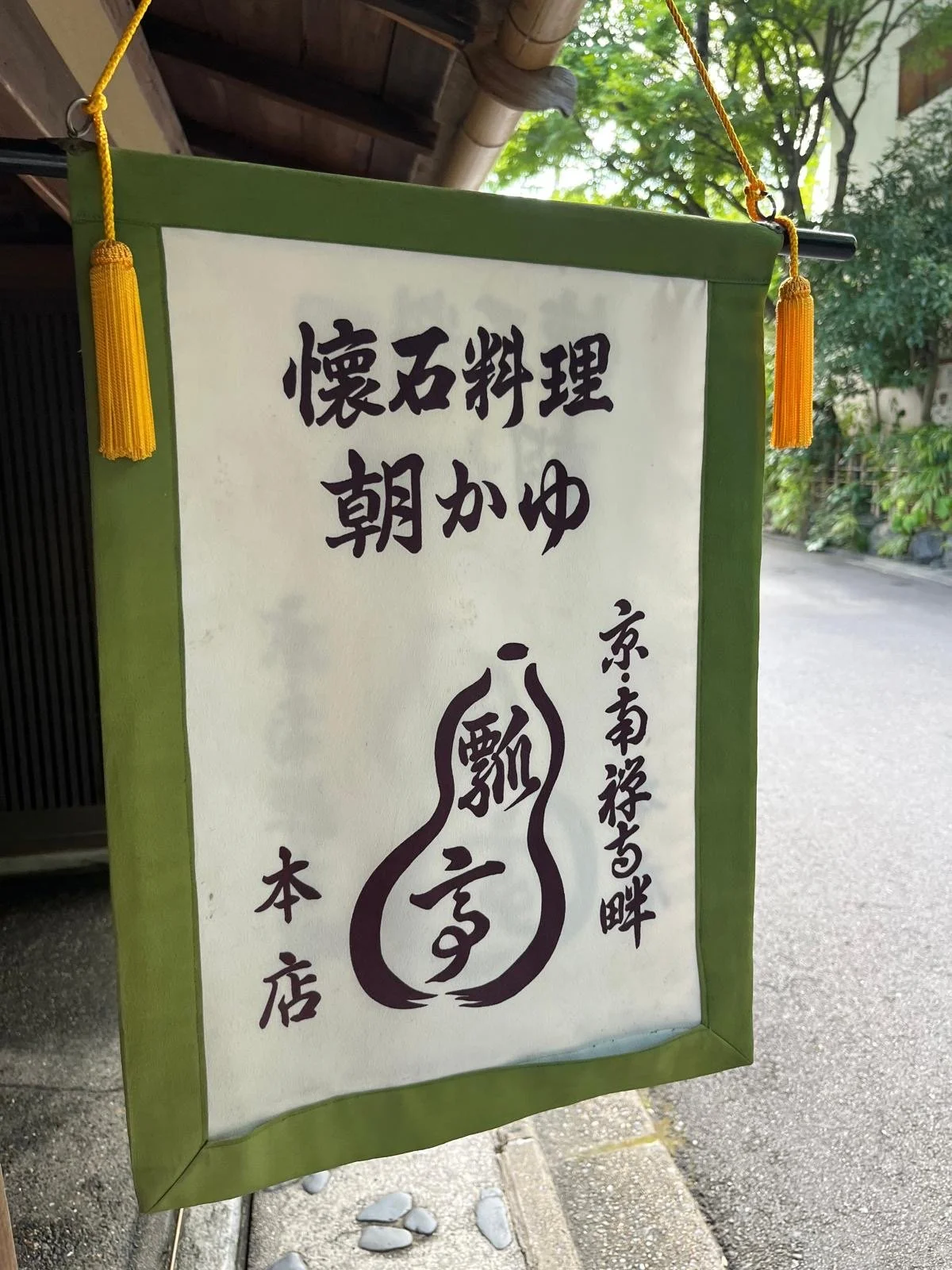
Asa-gayu at 瓢亭, a historic traditional restaurant in Kyoto- Japanese home cooking class in Tokyo
Morning rice porridge in Kyoto. The tradition of asagayu (morning rice porridge) began in the late Edo period when regular customers who spent the night in Gion would visit the restaurant to enjoy it in the morning. It became an official menu item in 1868. The seasonal asagayu served at Hyotei’s main restaurant offers an especially unique and special experience.The dishes served alongside the porridge include simmered seasonal vegetables and hassun—an assorted platter—which allow you to fully enjoy the atmosphere and the feeling of Kyoto’s summer season with all your five senses.

貴船-Kifune riverside terrace cuisine in Kyoto-Japanese home cooking class in Tokyo
Kawadoko dining in Kibune, Kyoto, is a unique culinary experience where guests enjoy traditional Kyoto cuisine while seated on platforms set above the clear waters of the Kibune River. This setting allows diners to savor the refreshing sounds of the flowing river and the surrounding natural scenery. Many long-established inns and restaurants offer exquisite kaiseki and kaiseki-style meals featuring fresh local river fish and seasonal Kyoto ingredients.

MANPEI HOTEL in Nagano- Japanese home cooking class in Tokyo
Founded in 1894, Mampei Hotel is one of Japan’s premier classic hotels, renowned for its historic Alps Wing featuring a unique fusion of Western and Japanese architectural styles. Surrounded by beautiful natural scenery, the hotel offers a luxurious and tranquil environment. It is famously known as a favored retreat for notable guests such as John Lennon. The dining rooms, bars, and café terrace within the hotel are highly regarded for their retro ambiance and traditional hospitality, which have garnered widespread acclaim over the years.

The Most Delicious Japanese Fruits in the World- Japanese home cooking class in Tokyo
Japanese summer fruits are known for their high water content and refreshing juiciness, making them perfect for the hot season. They are excellent for hydration and nutrition, helping to prevent summer fatigue and maintain good health. Here, I would like to introduce three representative summer fruits: cherries, muskmelons, and peaches.

No Matcha, No Life- Japanese home cooking class in Tokyo
Matcha, which enjoys great popularity around the world, has a long history, a unique production process, and some tips for preparation that make it even more fascinating. Here, I would like to share some interesting facts about matcha that I have learned. By understanding these aspects, you can appreciate the charm of matcha more deeply. I hope this will be helpful for those who are thinking about starting to enjoy matcha themselves.
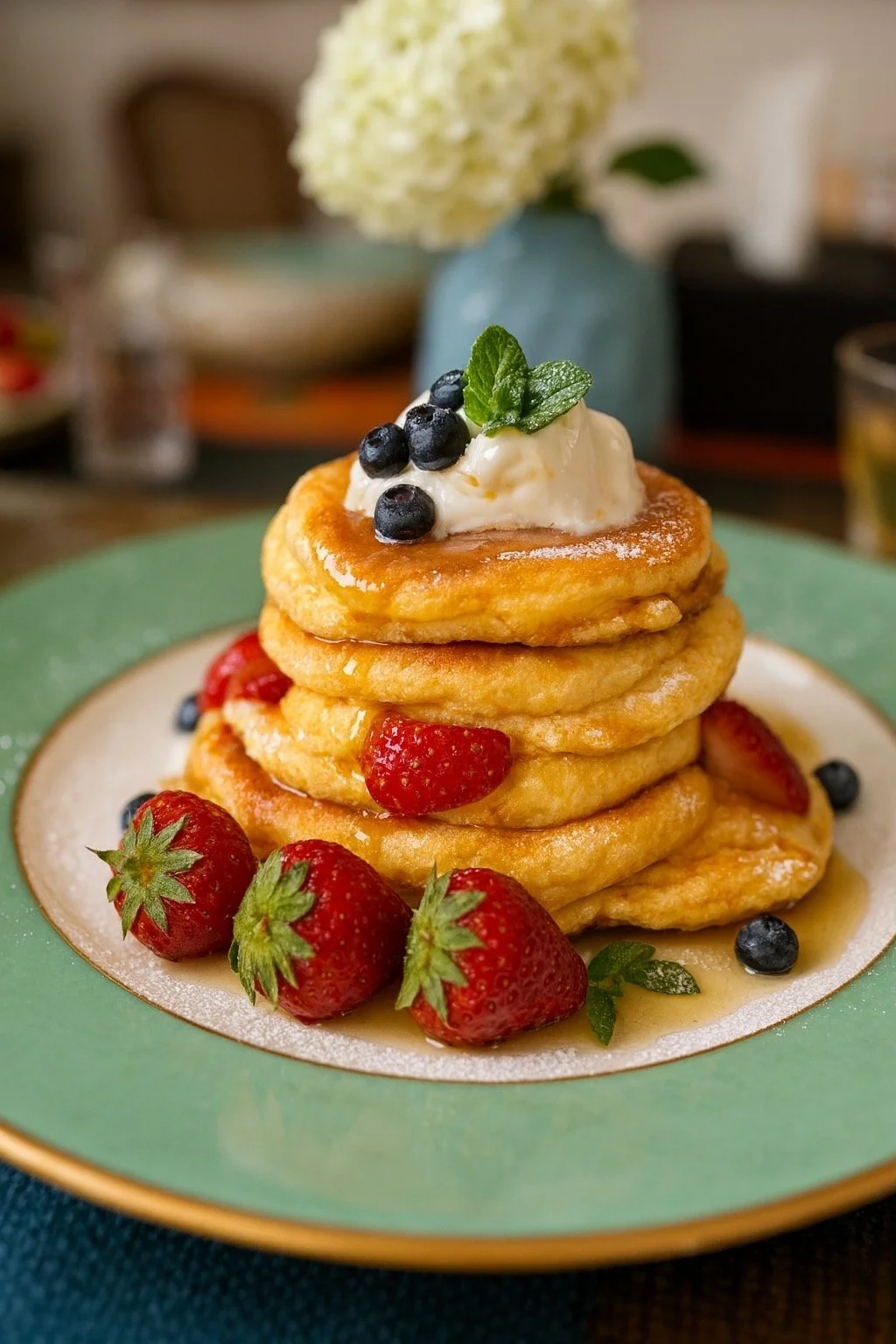
Experience the Joy of Making Fluffy Japanese Souffle Pancakes-Japanese home cooking class in Tokyo
Would you like to discover the secrets to making light and fluffy souffle pancakes while enjoying a relaxed, hands-on class in Tokyo? Join our intimate, small-group workshop where beginners are warmly welcomed and everyone can learn together in a friendly, home-like atmosphere.

Miyajima in Aki (安芸の宮島), one of Japan’s Three Most Scenic Spots- Japanese home cooking class in Tokyo
Itsukushima Shrine is a Shinto shrine located on Itsukushima Island (commonly known as Miyajima) in Hatsukaichi City, Hiroshima Prefecture, and is a renowned landmark representing "Aki no Miyajima," one of the Three Views of Japan. The shrine was registered as a UNESCO World Cultural Heritage site in 1996 and serves as the head shrine of approximately 500 Itsukushima Shrines throughout Japan.


Boys’ Festival- Japanese home cooking class in Tokyo
Tango no Sekku, or the Boys’ Festival, is one of Japan’s five seasonal festivals, celebrated annually on May 5th to pray for the healthy growth and happiness of boys. It is also called the “Iris Festival” (Shobu no Sekku), and today, this date is recognized as the national holiday “Children’s Day” (Kodomo no Hi)

Attractiveness of Japanese Cookware- Japanese home cooking class in Tokyo
When welcoming foreign guests, my aim is to enjoy Japanese cuisine together. Many of them are also very interested in the kitchen tools we use. Therefore, I would like to introduce some of the most popular kitchen items from my Japanese cooking classes.

The atmosphere of our cooking class- Japanese home cooking class in Tokyo
Our cooking class provides an authentic and welcoming Japanese home-style experience, conducted in small groups to create an intimate and cozy atmosphere. Participants bond through collaborative cooking activities, fostering a friendly and engaging environment. The program is thoughtfully tailored to accommodate individual skill levels, aiming not only to enhance culinary techniques but also to promote meaningful connections through the preparation of traditional Japanese dishes.

Representative plants that herald the arrival of spring- Japanese home cooking class in Tokyo
Spring in Japan is heralded by three iconic plants: nanohana (rapeseed), tsukushi (horsetail), and sakura (cherry blossoms). These plants are widely cherished as symbols of the Japanese spring season.
I host traditional Japanese cooking classes at my home. Just down the hill from my house, we can reach the Tama River, where we can experience the breath of spring firsthand. Along the Tama River, cherry blossoms and rapeseed flowers bloom in profusion, offering beautiful spring scenery to enjoy.

The difference between cherry blossoms and plum blossoms -Japanese home cooking class in Tokyo
Among the flowers heralding the arrival of spring, plum and cherry blossoms hold a special place, deeply rooted in the hearts of the Japanese people.
Plum blossoms convey the pure beauty of early spring, while cherry blossoms express the splendor of spring at its peak.The flower-viewing season has now arrived. Why not immerse yourself in the changing spring scenery, from plum to cherry blossoms? This presents a wonderful opportunity to rediscover the beauty of Japan's four seasons amidst the transitions of nature.

High-end Japanese Restaurant Natural Tiger Pufferfish Course- Japanese home cooking class in Tokyo
The natural tiger pufferfish, a representative luxury fish of winter, is primarily in season during winter. The most delicious period is from mid-October to late March, with January and February offering the best flavors. During this time, the cold weather tightens the flesh and increases its fat content. Please be sure to enjoy this luxurious Japanese ingredient at a Japanese restaurant.
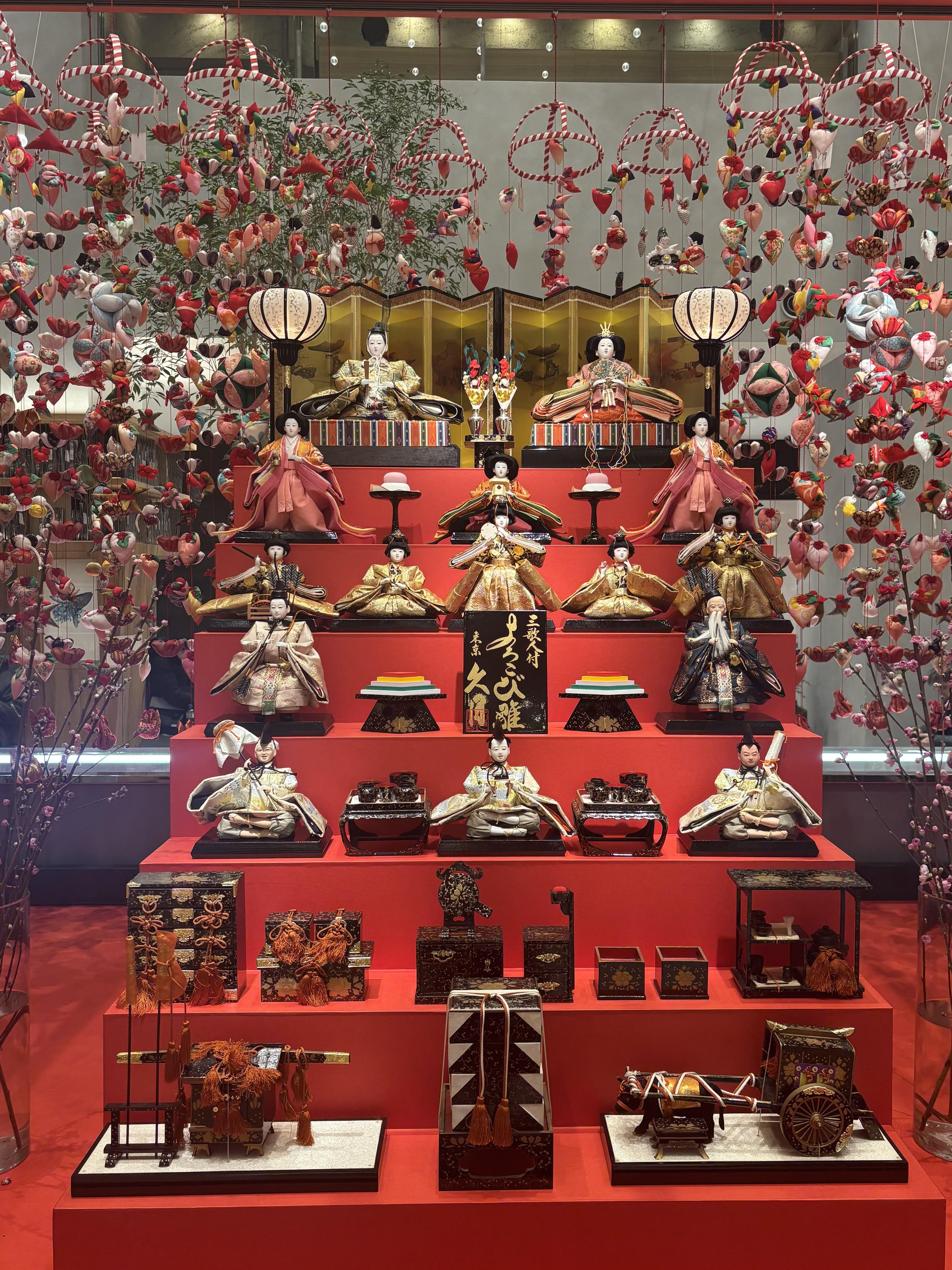
Doll Festival is a Japanese traditional celebration held on March 3rd- Japanese home cooking and sweets class in Tokyo
Hinamatsuri, also known as the Doll Festival, is a traditional Japanese event held annually on March 3rd, celebrated as "Momo no Sekku" (Peach Festival). On this day, people wish for the healthy growth and happiness of girls by displaying Hina dolls and enjoying special foods as part of this cultural event.

The Seven Lucky Gods Pilgrimage in Shibamata, Tokyo- Japanese home cooking class in Tokyo
Shibamata is a captivating downtown neighborhood in Tokyo's Katsushika Ward, offering visitors a remarkable glimpse into historical temples and rich cultural experiences. This charming area feels like a delightful time capsule, preserving the essence of traditional Japanese urban life.

Setsubun(節分)- Driving away evil spirits and wishing for happiness in the new year-Japanese home cooking class in Tokyo
Setsubun is a traditional Japanese event held on the day before the beginning of spring (Risshun), aimed at driving away evil spirits and praying for health and happiness for the coming year.