The Plum Grove of Okurayama Park- Japanese Home Cooking and Sweets in Tokyo
Okura-yama Park Plum Grove (Okura-yama Koen Bairin) **is a popular plum blossom spot in Kohoku Ward, Yokohama City. The garden features 46 varieties and about 220 plum trees, which bloom sequentially from early to late varieties from late January to March. The drifting plum fragrance is incredibly pleasant, and personally, I prefer plums over cherry blossoms because you can enjoy their scent.
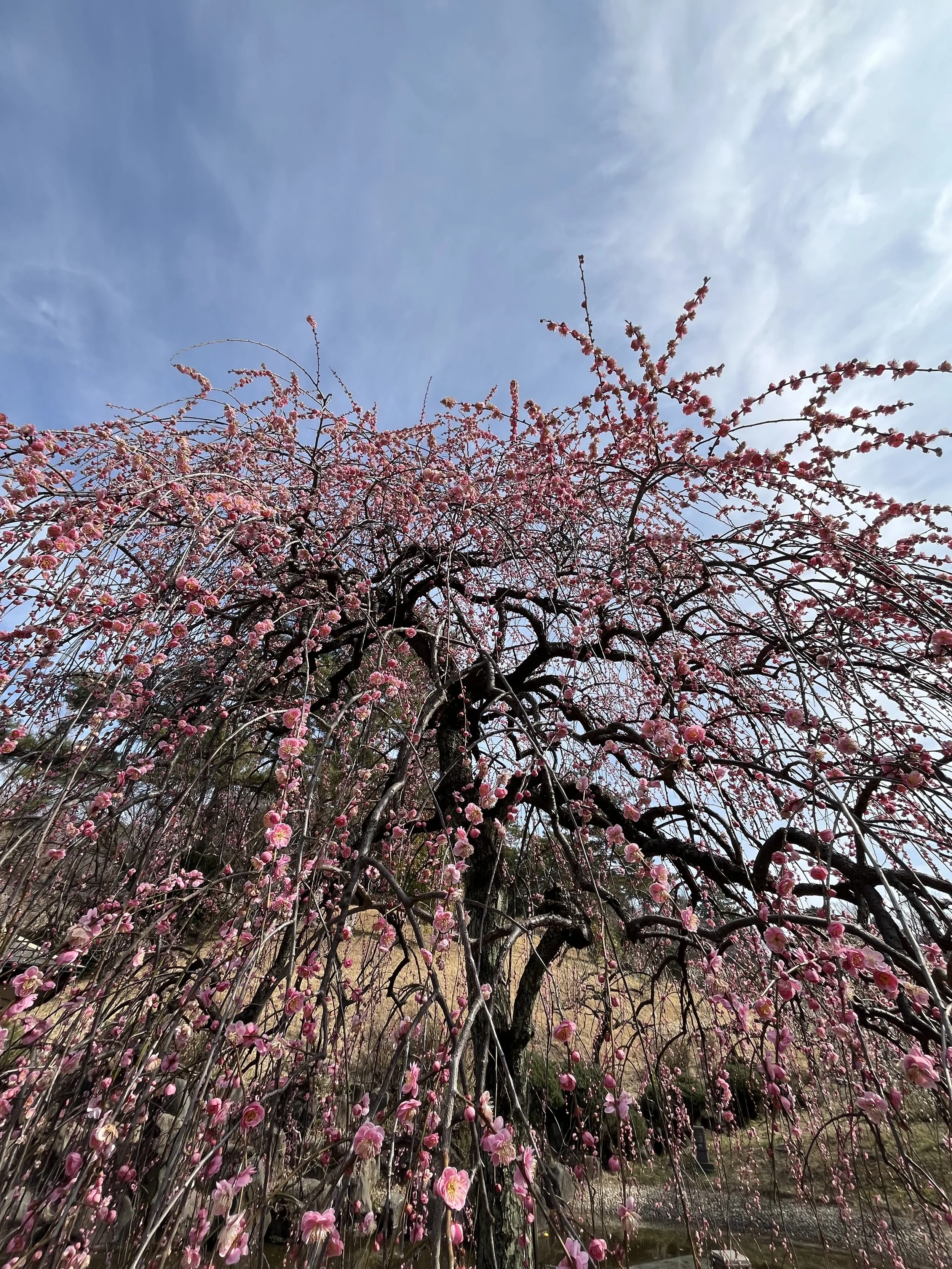
Okurayama Park- Japanese Home Cooking and Sweets in Tokyo
Access
About 7 minutes on foot from Okura-yama Station on the Tokyu Toyoko Line. From the station, go up the hill along the tracks and pass by the Okura-yama Memorial Hall. Admission is free, and there is no parking. The hill is a bit steep, so comfortable walking shoes are recommended.
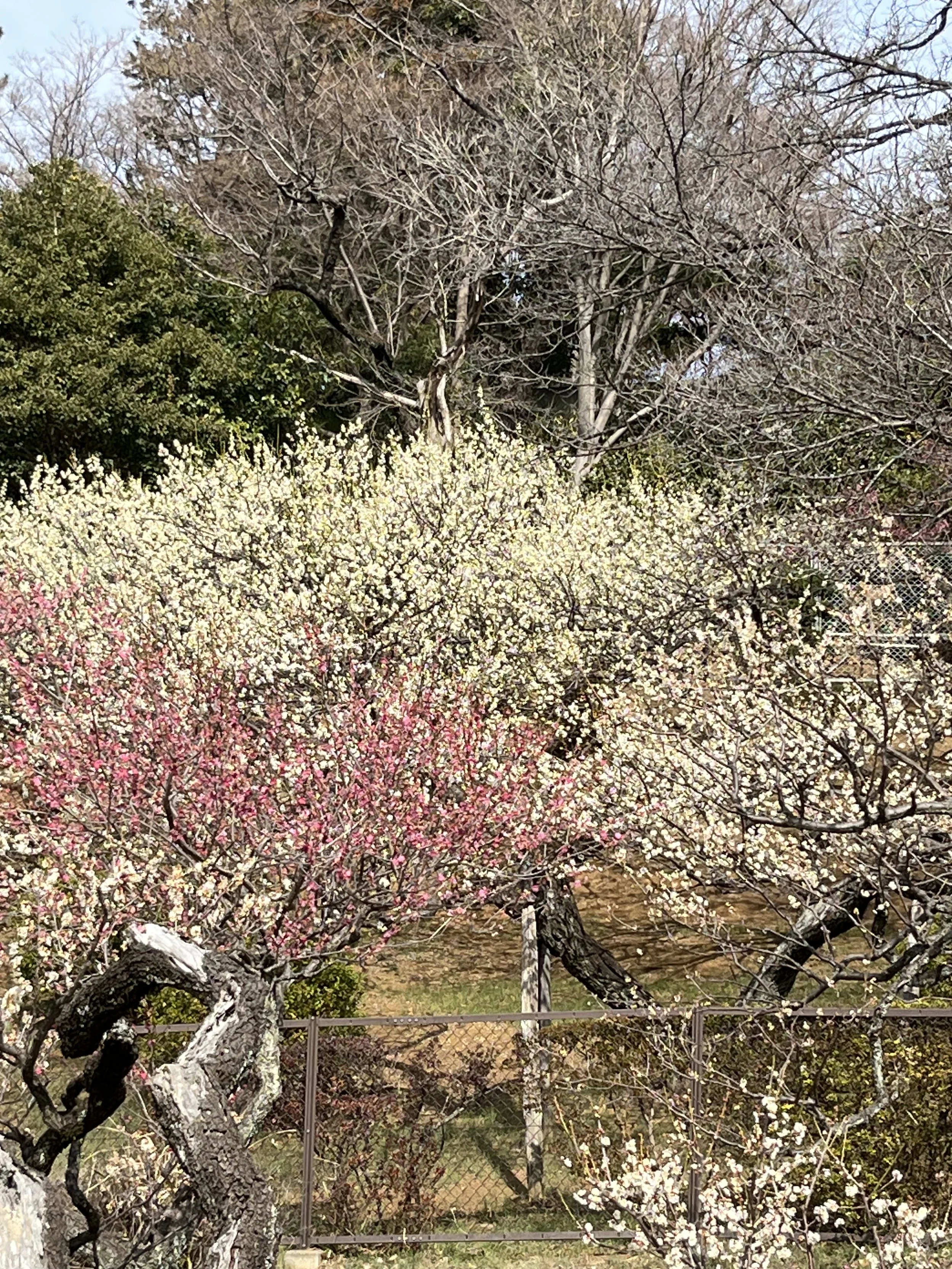
Okurayama Park- Japanese Home Cooking and Sweets in Tokyo
Highlights
Every year from February to March, the "Okura-yama Plum Blossom Viewing Festival" is held, featuring taiko drum performances, traditional dances, tasting of plum wine "Ume no Kaori," and stalls from the local shopping street. Opened in Showa 6 (1931) by Tokyo Kyuko Electric Railway, it's a historic spot where you can also enjoy cherry blossoms and autumn leaves seasonally. As of mid-February, it's likely at or near peak bloom.
About Plum Groves
A plum grove (bairin) refers to a forest or garden planted with many plum trees. From late January to March, they bloom in white, red, pale pink, and are enjoyed for viewing as well as for harvesting fruits like umeboshi plums. Long celebrated in poetry and songs, they are cherished as famous spots nationwide.
Plum Grove Features
Location and Season: Mainly in parks or famous sites (e.g., Osaka Castle Park Plum Grove, Tsukigase Plum Grove in Nara), with peak viewing from mid-February to mid-March.
Viewing and Production: Some are for "shobai" (plum appreciation) to enjoy diverse varieties, while others focus on fruit harvesting.
Historical Background: Places like Nara's Kanao Plum Grove appear in Nanbokucho-era songs, and many were developed in the Meiji and Taisho eras.
Famous Plum Groves
Kanto Region: Kairakuen (Ibaraki), Misato Plum Grove (Gunma), Takao Plum Village (Tokyo)
Kansai Region: Osaka Castle Park (Osaka), Tsukigase Plum Grove (Nara), Kanao Plum Grove (Nara)
Bathed in early spring sunlight, the red and white plums in full bloom are a true herald of spring, beloved by many.
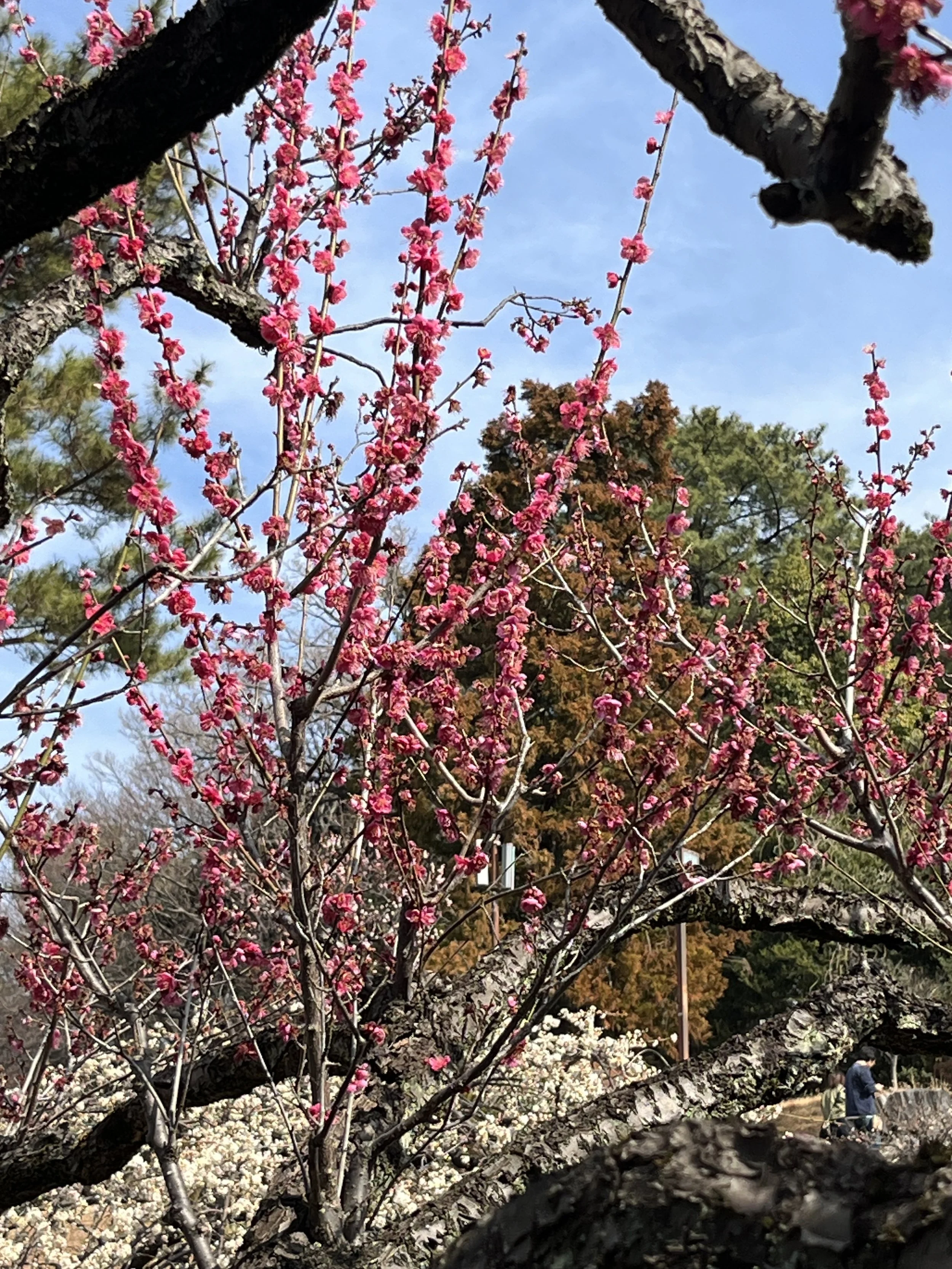
Okurayama Park- Japanese Home Cooking and Sweets in Tokyo
History of Plum Appreciation
Plum viewing originated in Japan during the Nara period under Chinese cultural influence. It took root among the nobility, who enjoyed the flowers' fragrance and beauty, gradually shifting toward cherry blossoms while building its own traditions.
Nara Period (710-794)
Plums were brought back by envoys to Tang China mainly for medicinal fruit, but became popular among nobles for flower viewing. In 730 (Tenpyo 2), Tabito Otomo hosted the "Plum Blossom Banquet" at his residence, collecting 32 plum-themed poems now in the Manyoshu anthology. Plums were the primary spring flower over cherries, appreciated through poetry gatherings focused on their scent.
Heian Period (794-1185)
Plum viewing flourished among nobles; after the abolition of Tang envoys in 894, native Japanese cherries gradually gained popularity, but plums remained essential in gardens. Emperor Saga's cherry viewing banquet in 812 laid the groundwork for hanami, while plums' elegant scent was cherished as a motif in poetry.
Medieval Period Onward (Kamakura to Edo Eras)
Spread to samurai in the Kamakura era, to paintings and waka in Muromachi; by Edo, commoners enjoyed plum viewing, creating famous sites and laying foundations for modern appreciation culture.
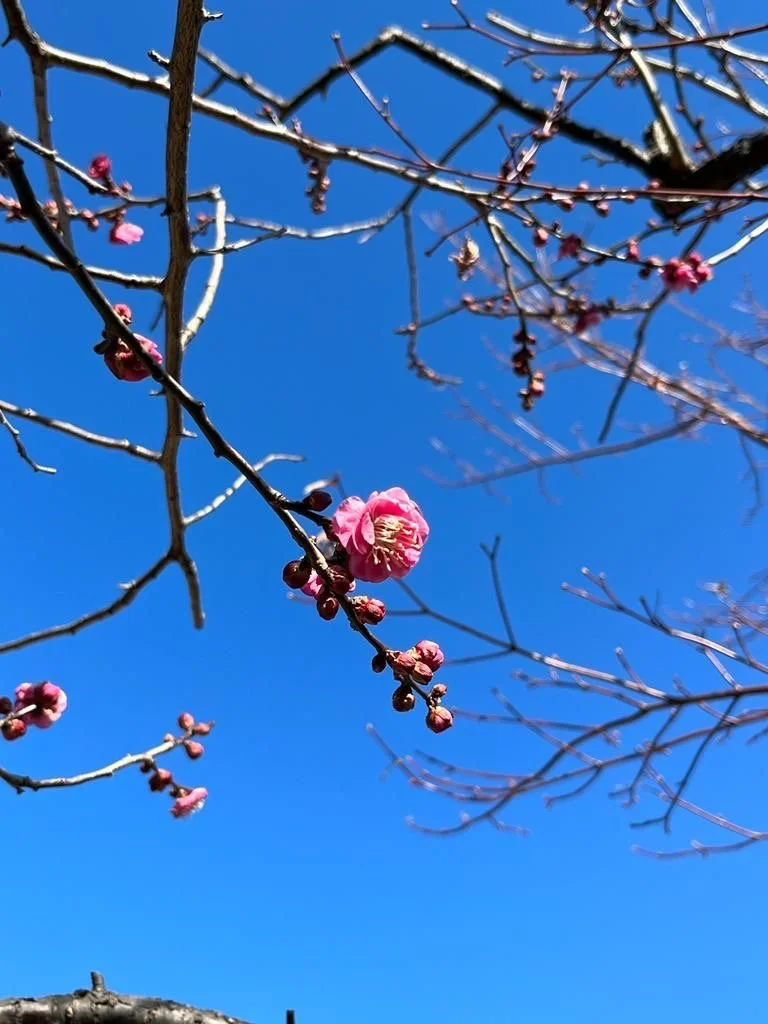
Plum tree-Okurayama Park- Japanese Home Cooking and Sweets in Tokyo
Were Plums More Popular than Cherries in the Heian Period?
Cherries overtook plums in the Heian era due to the rise of kokufu culture (native Japanese style) and strengthening indigenous aesthetics. The 894 abolition of Tang envoys shifted focus from Chinese-derived plums to accessible native cherries.
Main Reasons
Impact of Envoy Abolition: Sugawara no Michizane's 894 decision reduced Chinese cultural reliance, boosting native cherries.
Shift in Waka Poetry: Kokin Wakashu has 18 plum poems vs. 70 for cherries, making sakura the spring symbol.
Accessibility and Splendor: Plums were precious imports; cherries grew wild everywhere, blooming spectacularly in groups ideal for noble banquets.
Symbolic Events
Around 845 under Emperor Murakami, the "Sakon's Plum" in the Purple Throne Hall withered; moved by poems from Ki no Naishi, it was replaced with cherries, sparking sakura's rise and linking to hina festival cherry traditions. Even after Heian capital relocation, cherries adorned palace gardens, solidifying hanami culture.
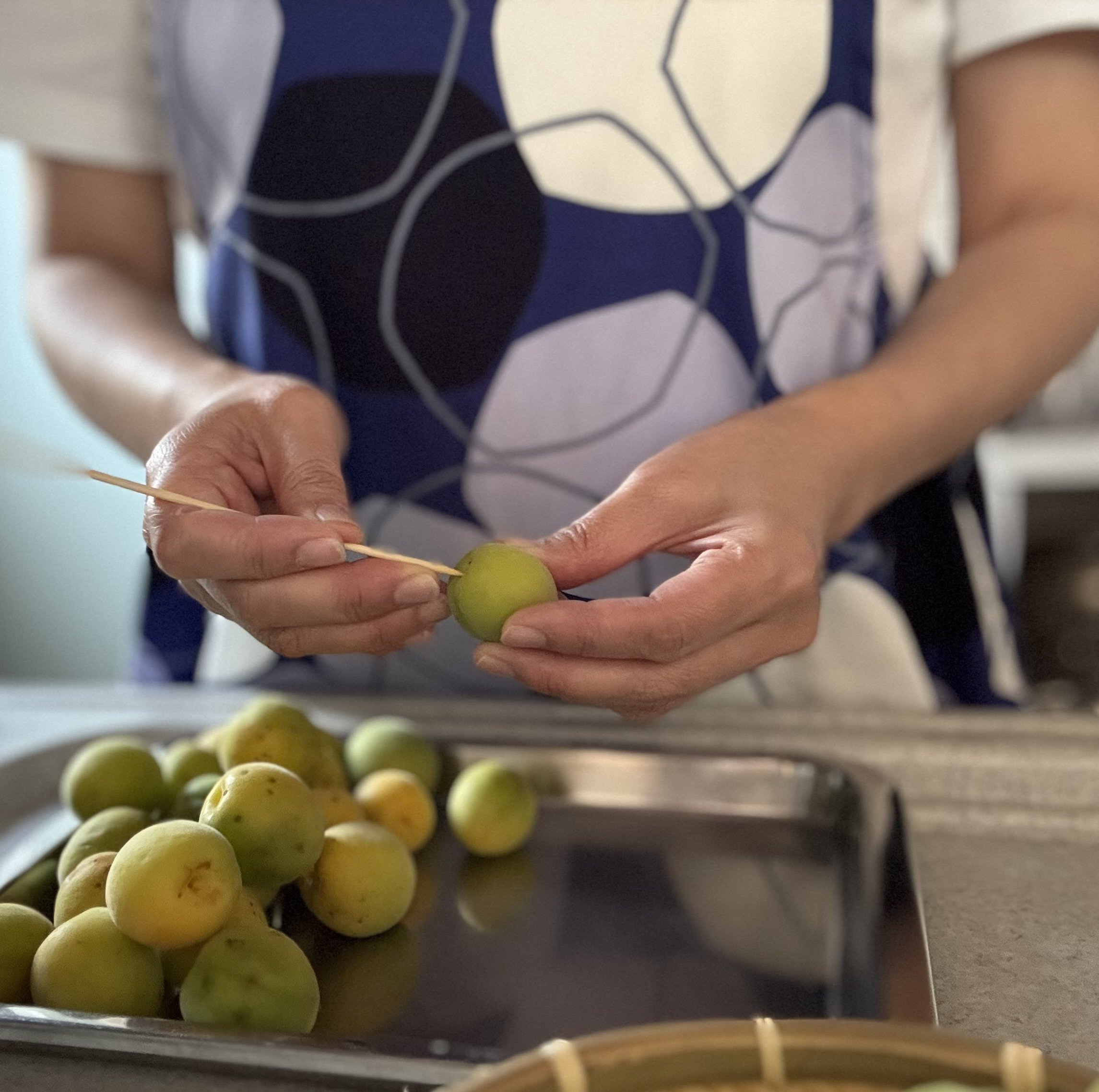
I made plum wine last year, and I’ll start making it again this June.- Japanese Home Cooking and Sweets in Tokyo
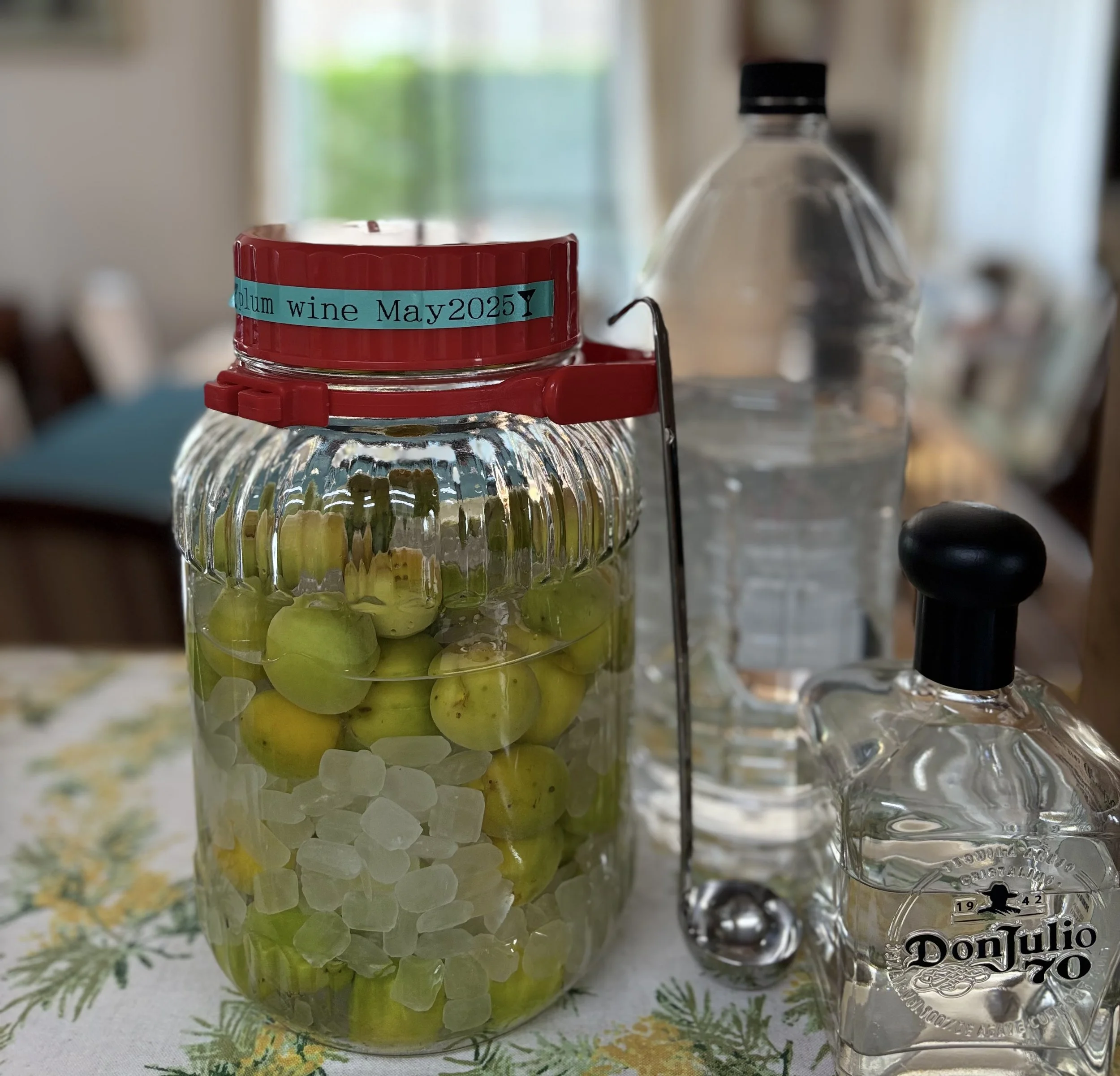
Homemade Plum Wine- Japanese Home Cooking and Sweets in Tokyo
In June, I'll cover how to make plum wine using plums and introduce the fruit itself.