Obanzai Kyoto Style Food- Japanese Home Cooking and Sweets Class in Tokyo
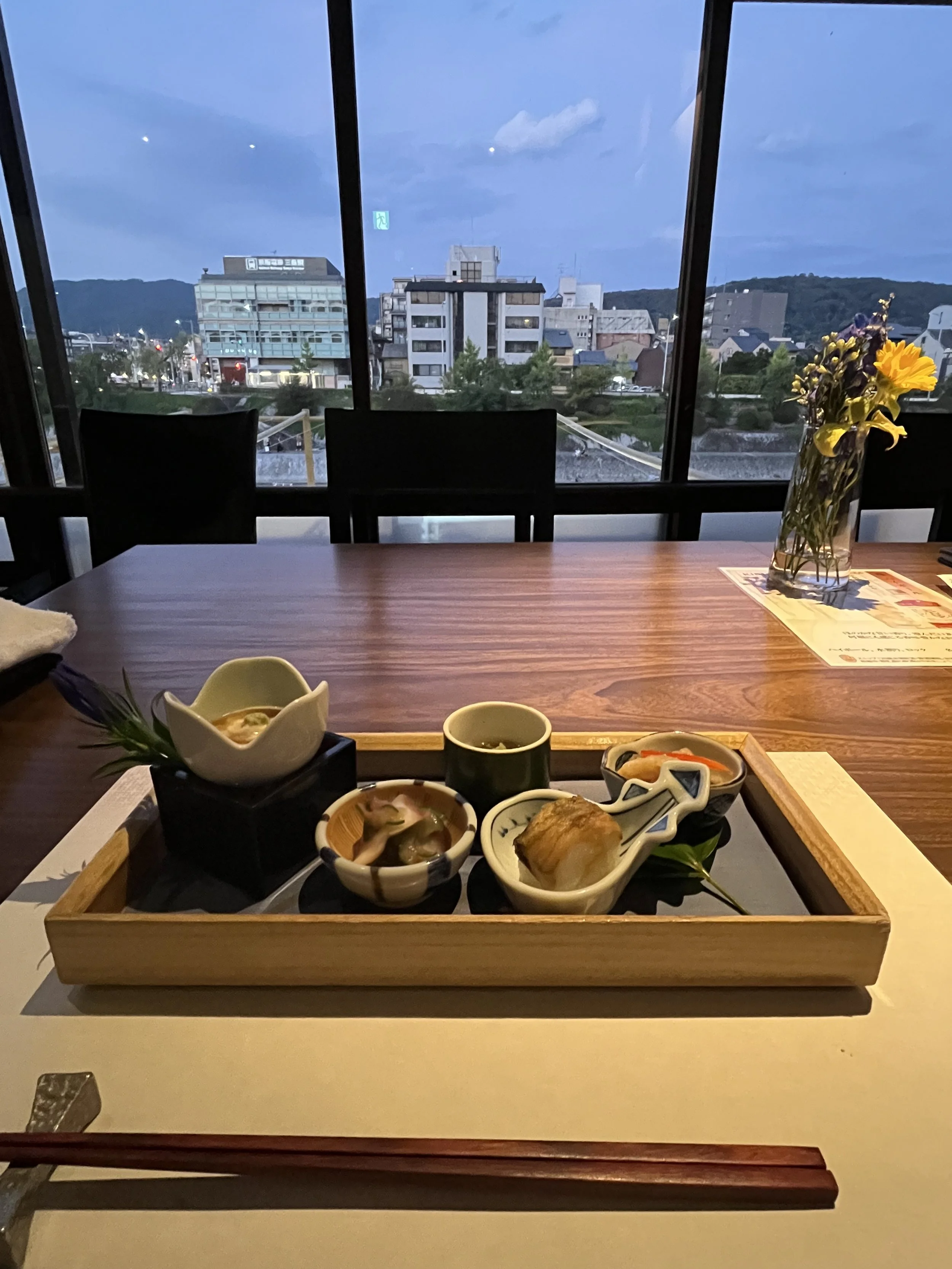
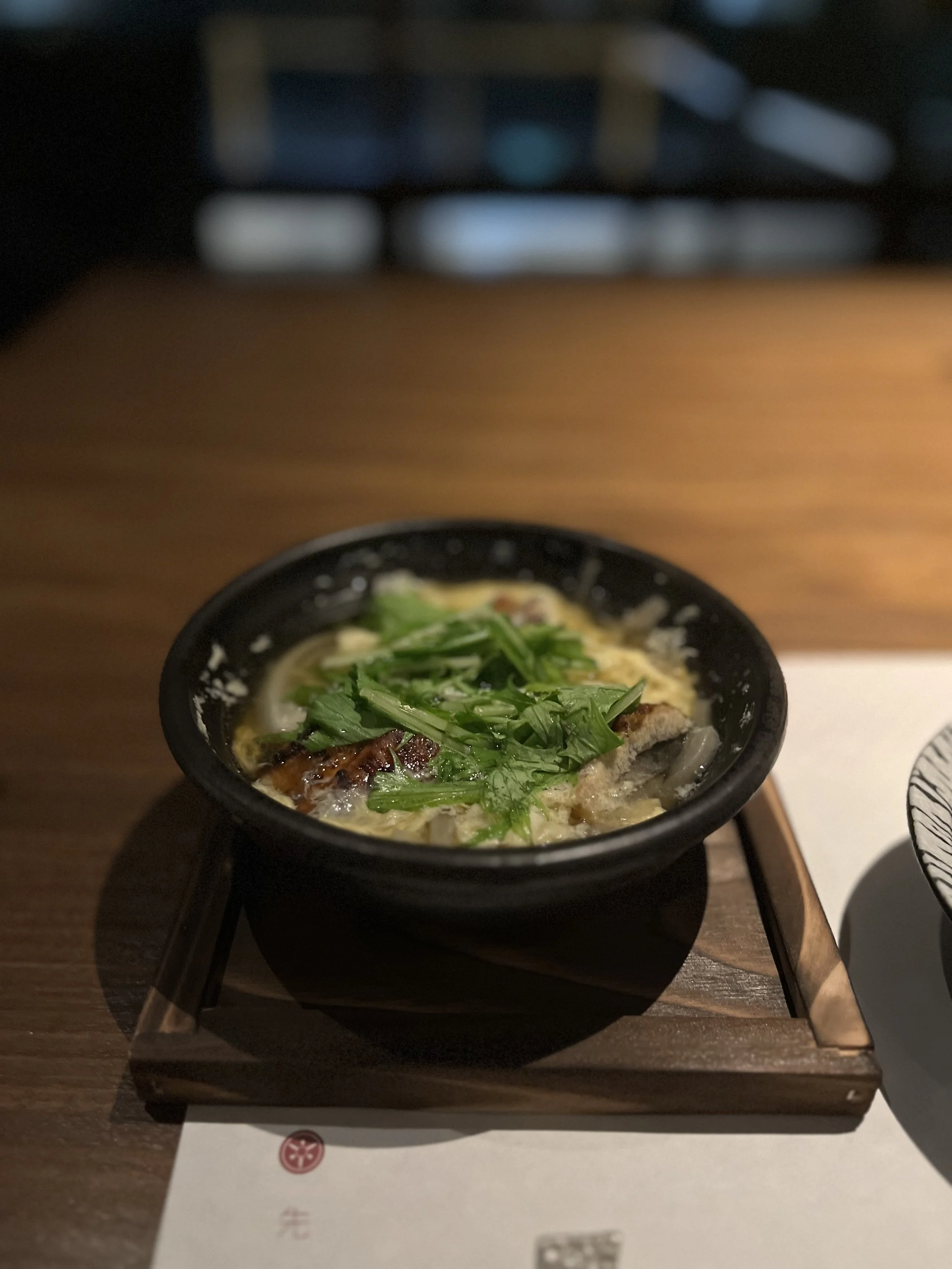
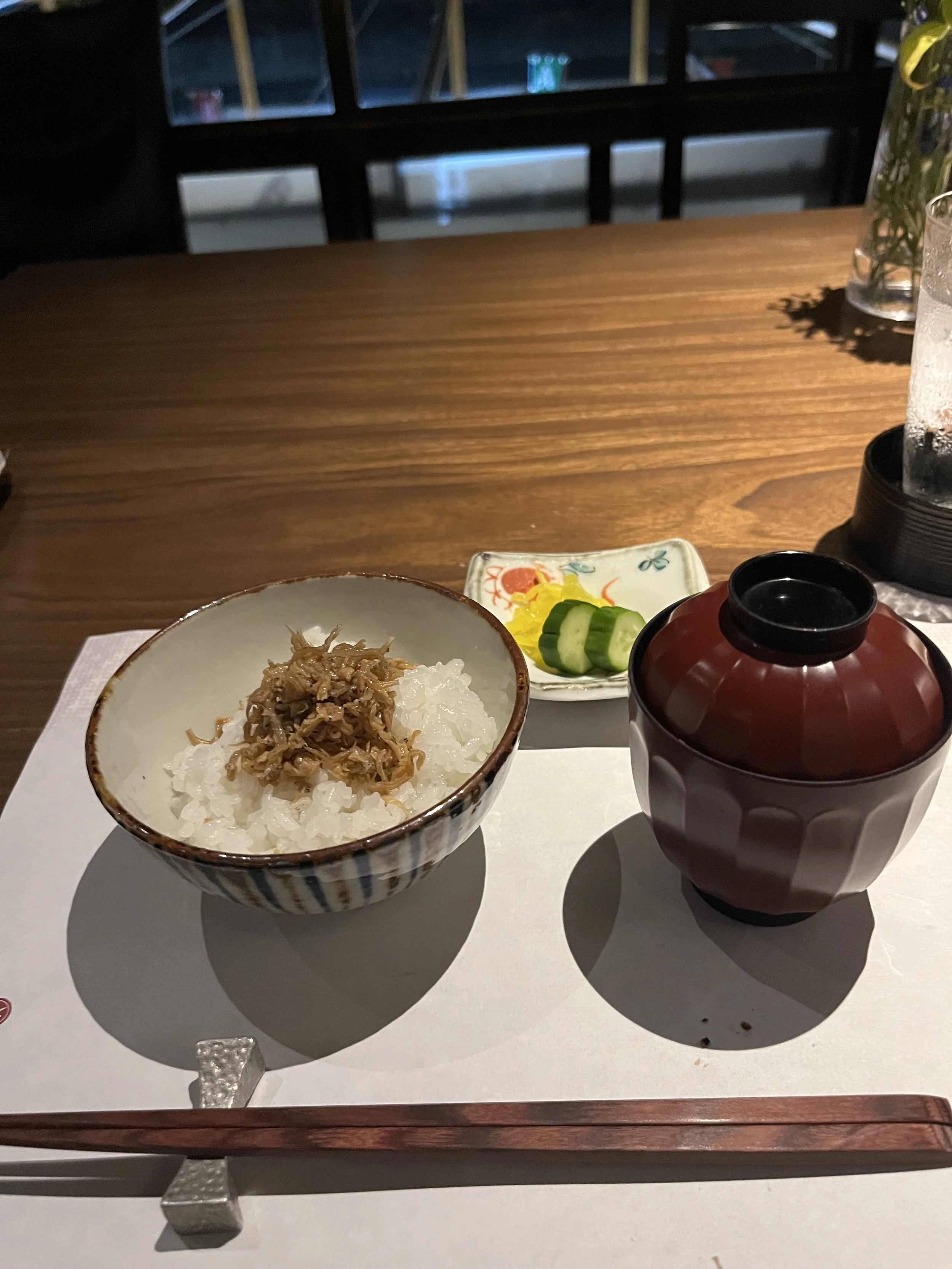
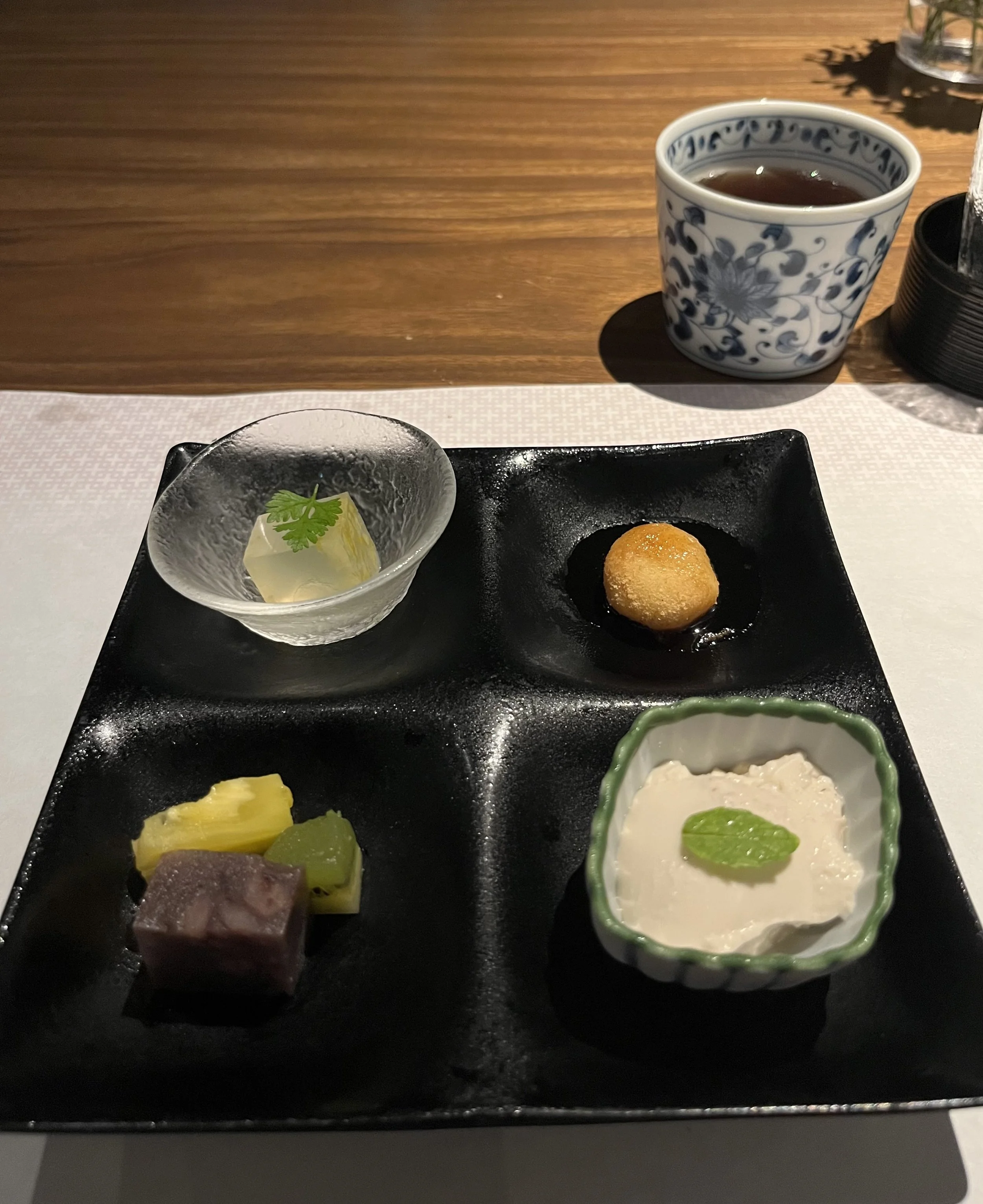
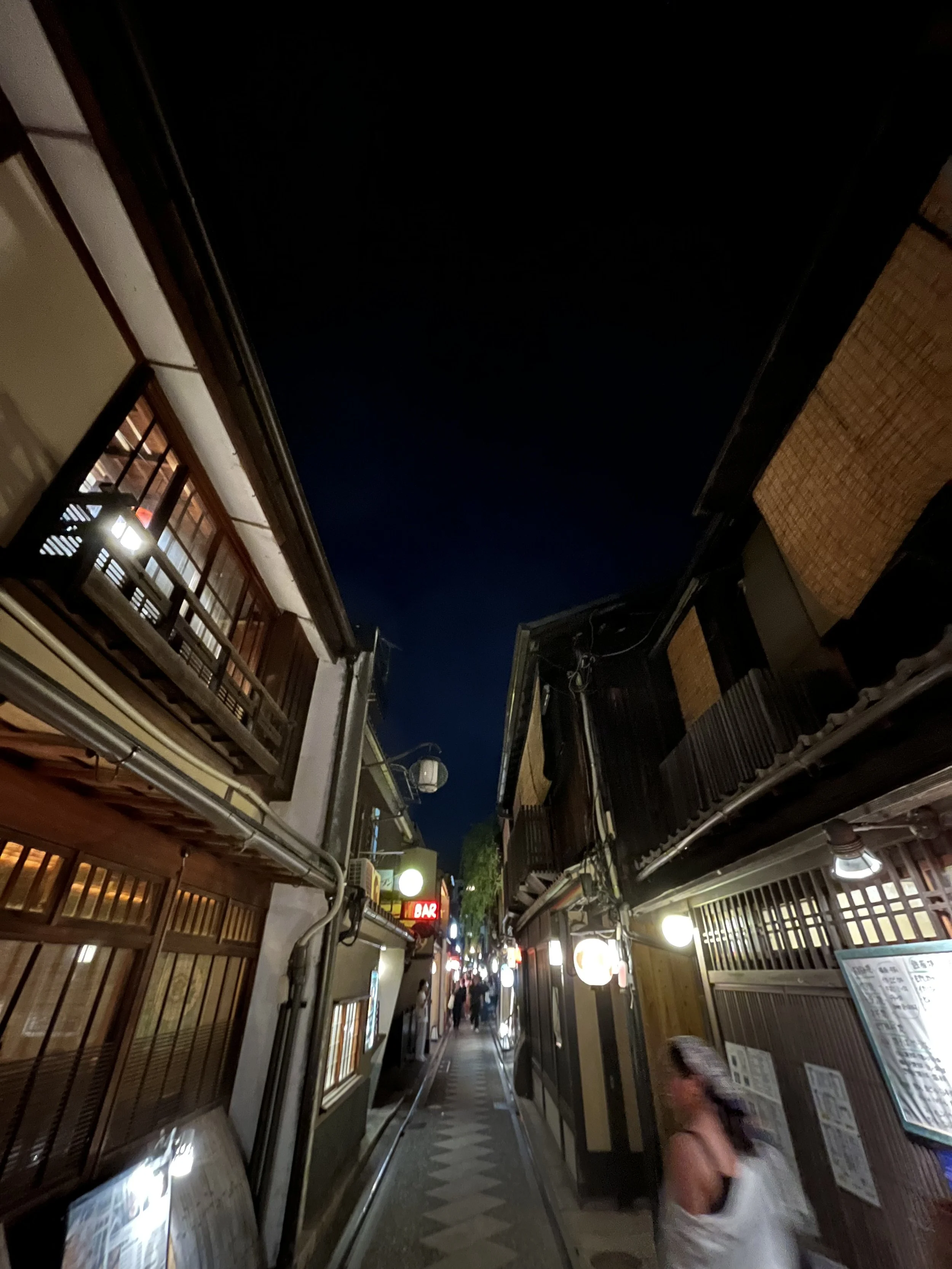
Let me introduce you to obanzai, the home-style dishes I really enjoyed in Kyoto, and the kyo-kaiseiki dining experience along the Kamo River in Pontocho.
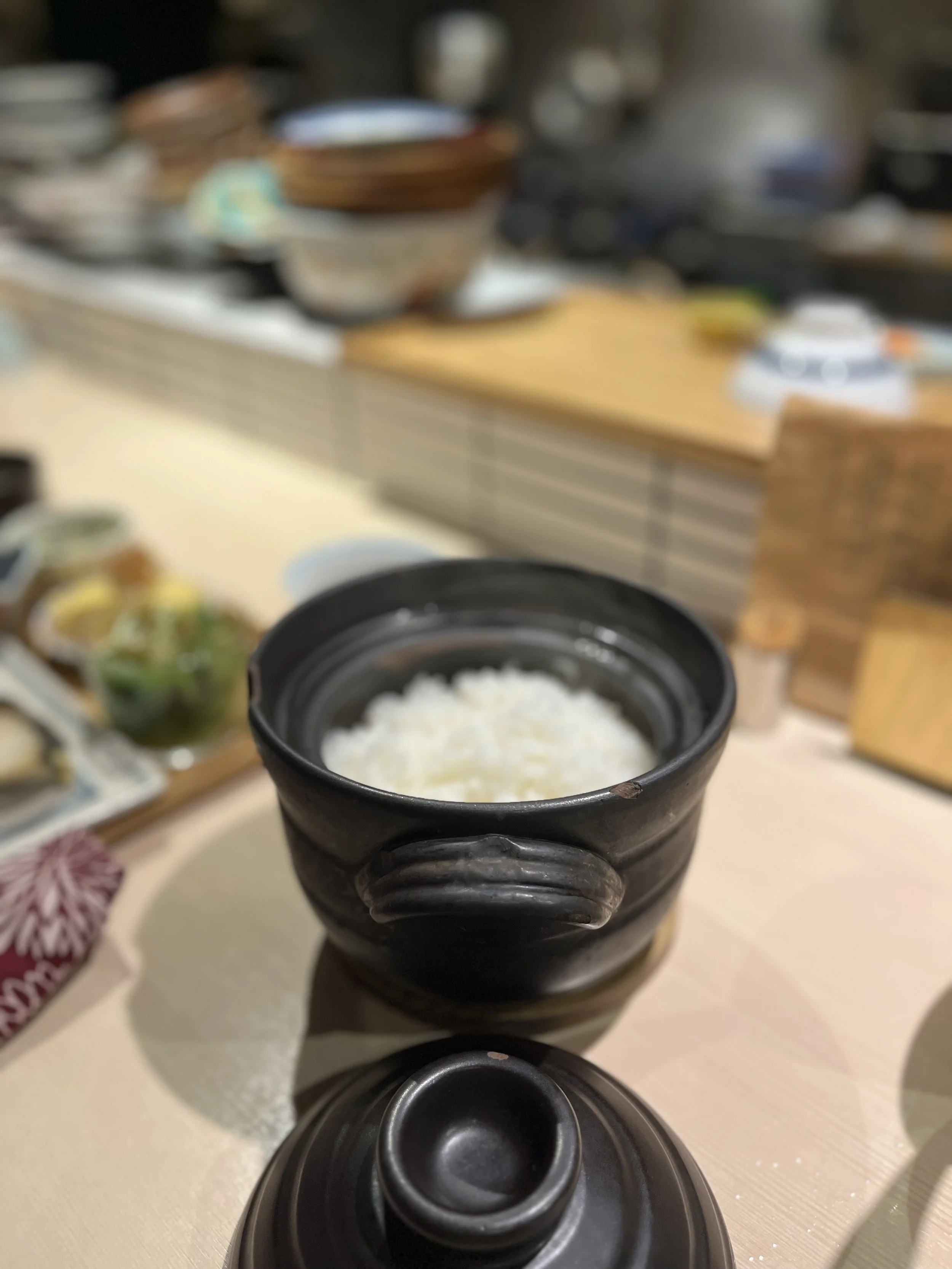
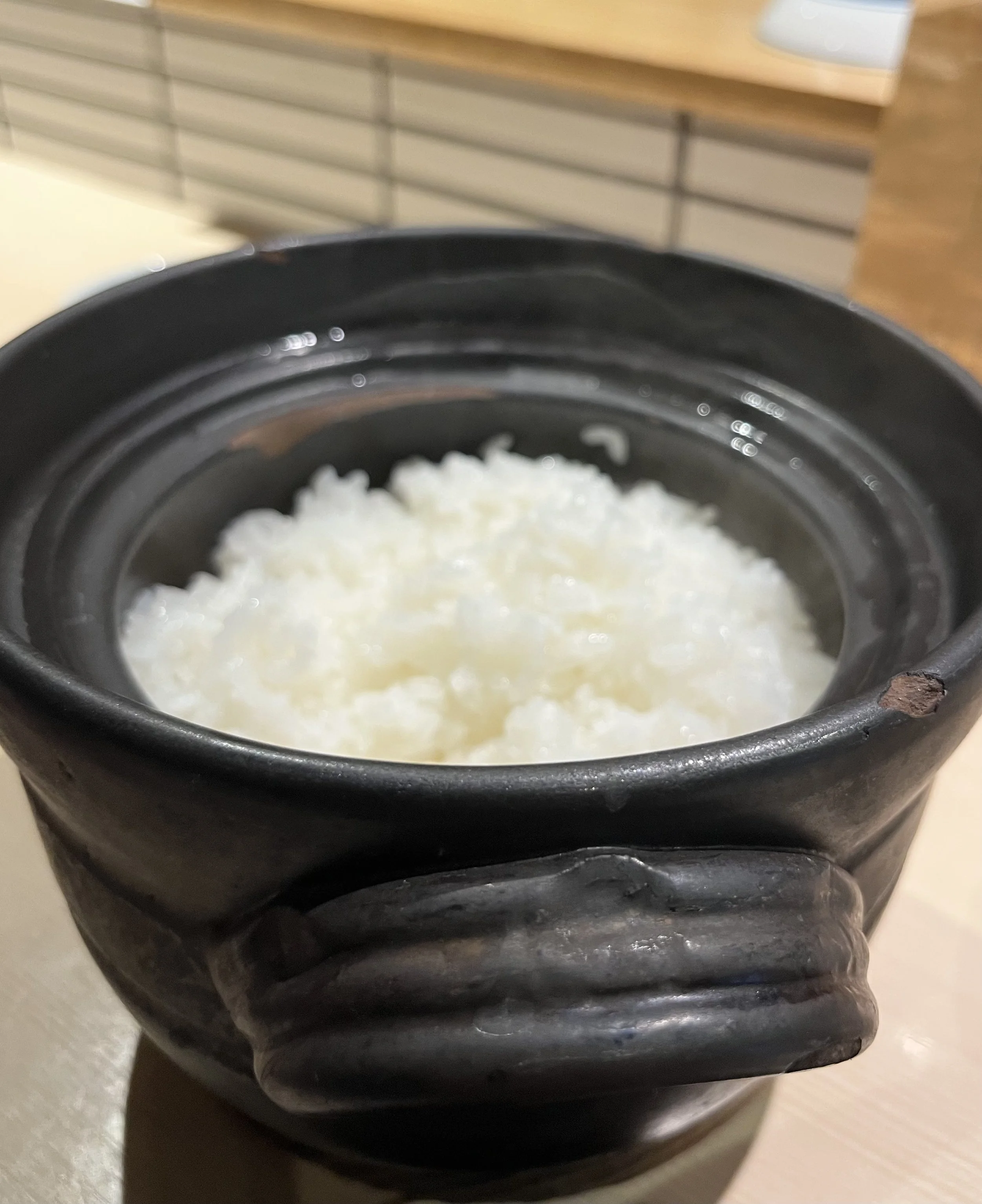
I believe the key difference between Tokyo and Kyoto cuisine lies in the dashi. Kyoto’s cooking, which gently brings out the umami of each ingredient, is one of my favorite cuisines. ご馳走様でした。
Obanzai Kyoto Style Food- Japanese Home Cooking and Sweets Class in Tokyo
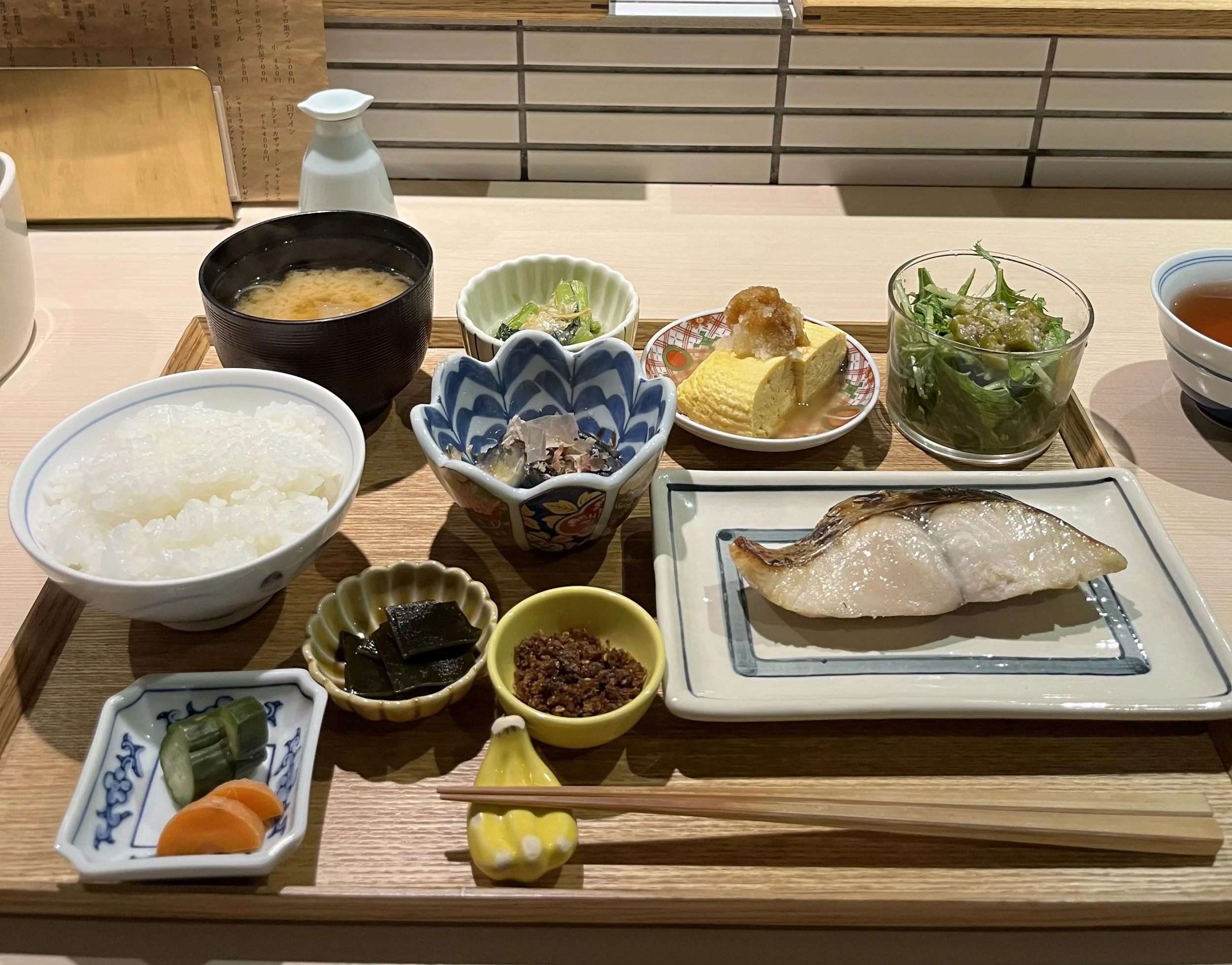
Obanzai refers to the assortment of side dishes that have been passed down through generations in Kyoto households, coloring the “everyday table.” While kyo-ryori (Kyoto cuisine) is for “hare” (special occasions), obanzai represents “ke” (daily life) home cooking.
What is Obanzai?
Obanzai consists of side dishes made regularly in ordinary Kyoto homes, served not on special days but at everyday meals. Like kyo-ryori, it is lightly seasoned, with many nimono (simmered dishes) flavored with dashi to highlight the natural taste of the ingredients.
Main Characteristics
Home-style flavor: Side dishes made daily in Kyoto households, served at regular meals rather than on special occasions.
Seasonal and local vegetables: Using Kyoto vegetables and other seasonal, accessible ingredients, with careful attention to avoiding waste.
Light seasoning and dashi: Like kyo-ryori, the flavors are subtle, with many “niman” (simmered dishes) enriched by dashi to bring out the ingredients’ natural taste.
Varied offerings: A colorful array of small dishes, including simmered items, dressed salads, grilled dishes, and pickles.
Obanzai Kyoto Style Food- Japanese Home Cooking and Sweets Class in Tokyo
Typical Obanzai Dishes
Nimono (simmered dishes): Satoimo (taro), gobo (burdock root), konnyaku, aburaage (fried tofu), and carrots simmered in dashi.
Unohana: Okara (soy pulp) stir-fried with carrots, gobo, shiitake, aburaage, and konnyaku, then simmered in dashi.
Kohaku namasu: Daikon and carrots briefly salted, then dressed in sweet vinegar.
Agebitashi: Eggplant or other vegetables deep-fried, then soaked in cooled dashi to absorb the flavor.
Tsukemono: Light pickles or fermented pickles made with seasonal vegetables.
Obanzai Kyoto Style Food- Japanese Home Cooking and Sweets Class in Tokyo
The Culture Behind Obanzai
In obanzai, nothing is wasted: vegetable leaves and peels, and the leftover ingredients after making dashi are all used thoughtfully. This practice is called “shimatsu suru” (to manage resources carefully) and is a hallmark of obanzai. Seasonal Kyoto vegetables and other fresh ingredients are prepared simply—through dressed salads, simmered dishes, or agebitashi—to let their natural flavors shine.
As Kyoto’s home cooking, obanzai offers a deep, satisfying flavor that never grows tiresome, even when enjoyed daily, and provides well-balanced, nutritious meals.
What is Kyo-kaiseki (Kyoto-style Kaiseki)?
Kyo-kaiseki refers to kaiseki cuisine served in Kyoto, embodying the city’s traditional food culture and aesthetic sensibility as an experiential, seasonal dining art. In practice, it functions as a regional brand: if a restaurant in Kyoto offers kaiseki (or ka-seki) style multi-course dining, it is often called Kyo-kaiseki and discussed within the broader context of Kyoto cuisine (kyo-ryori).japan-guide+1
Obanzai Kyoto Style Food- Japanese Home Cooking and Sweets Class in Tokyo
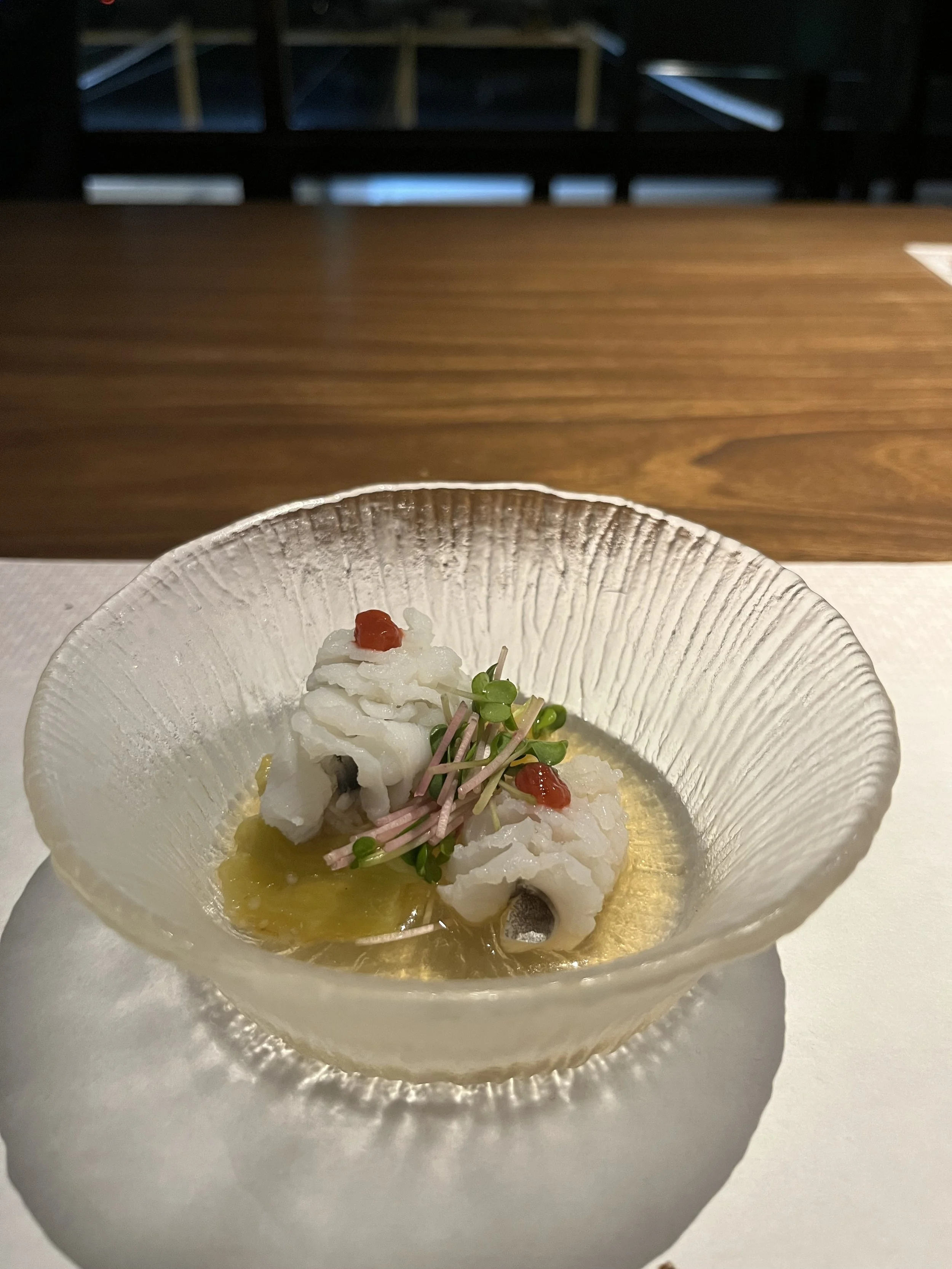
Obanzai Kyoto Shttps://www.robin-kyoto.com/tyle Food- Japanese Home Cooking and Sweets Class in Tokyo
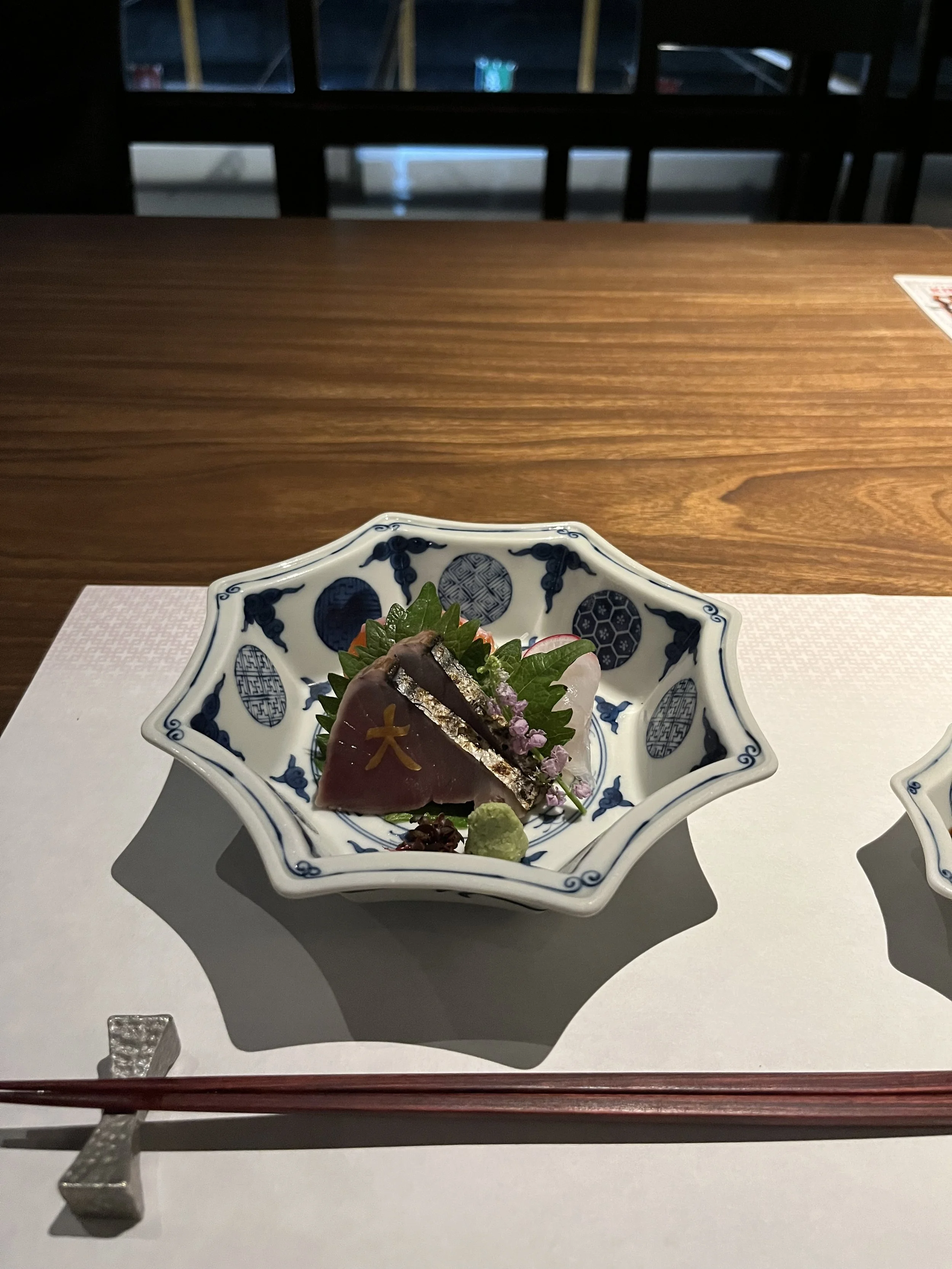
Obanzai Kyoto Style Food- Japanese Home Cooking and Sweets Class in Tokyo
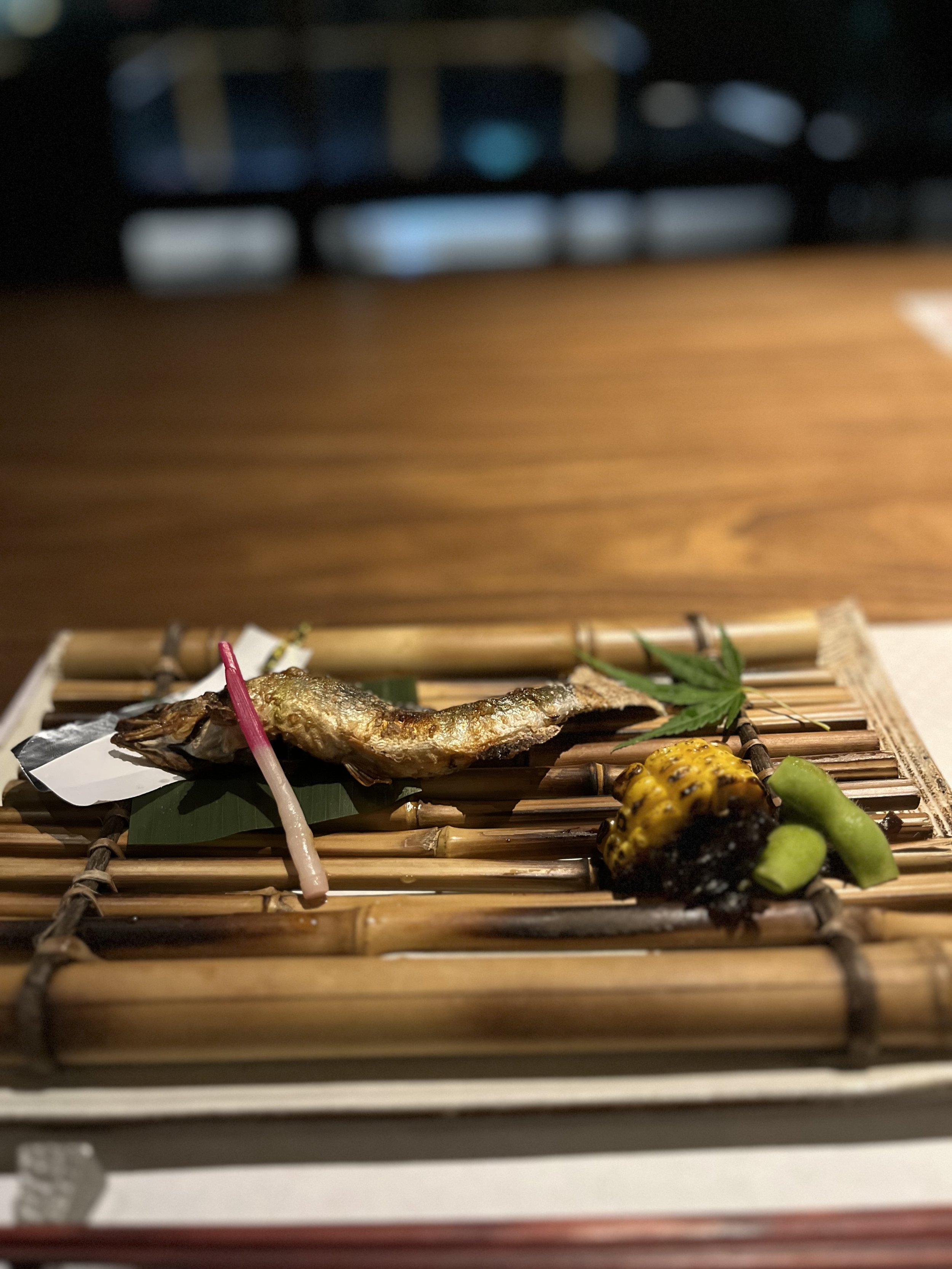
Obanzai Kyoto Style Food- Japanese Home Cooking and Sweets Class in Tokyo
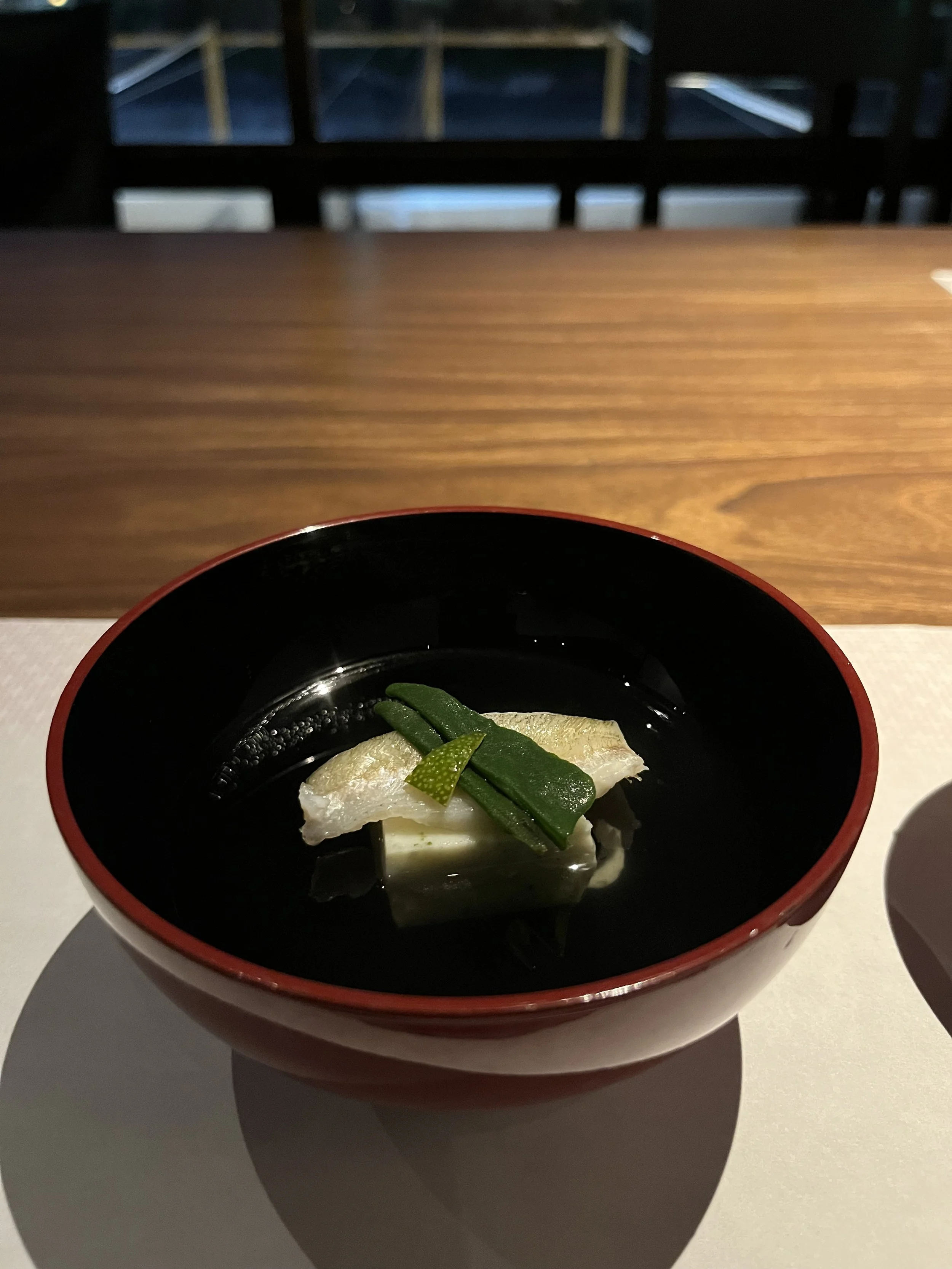
Obanzai Kyoto Style Food- Japanese Home Cooking and Sweets Class in Tokyo
Obanzai Kyoto Style Food- Japanese Home Cooking and Sweets Class in Tokyo
Obanzai Kyoto Style Food- Japanese Home Cooking and Sweets Class in Tokyo
Obanzai Kyoto Style Food- Japanese Home Cooking and Sweets Class in Tokyo
Origins and characteristics
Etymology and origin: The term kaiseki (懐石) comes from the practice of Zen monks placing warm stones (seki) in the front of their robes (kai) to stave off hunger; this modest meal was originally served before thick tea in the tea ceremony.guide.michelin+2
Basic structure: The foundation is ichiju-sansai (one soup, three dishes)—rice, soup, and three side dishes—designed as a light, unobtrusive course that does not interfere with the tea ceremony.omakaseje+1
Development in Kyoto: In Kyoto, kaiseki evolved under influences from temple vegetarian cuisine (shojin ryori), home-style obanzai, and the formal honzen ryori of samurai society, crystallizing into Kyo-kaiseki.tabitabi-japan
Obanzai Kyoto Style Food- Japanese Home Cooking and Sweets Class in Tokyo