Nishimuraya, Kinosaki Onsen- Japanese Home Cooking and Sweets Class in Tokyo
Kinosaki Onsen
Kinosaki Onsen is a historic hot-spring town in Toyooka City, Hyogo Prefecture, with a history of more than 1,300 years. One of its greatest attractions is strolling through the charming streets along the willow-lined Otani River in a yukata and wooden geta sandals while visiting the town’s seven public bathhouses.
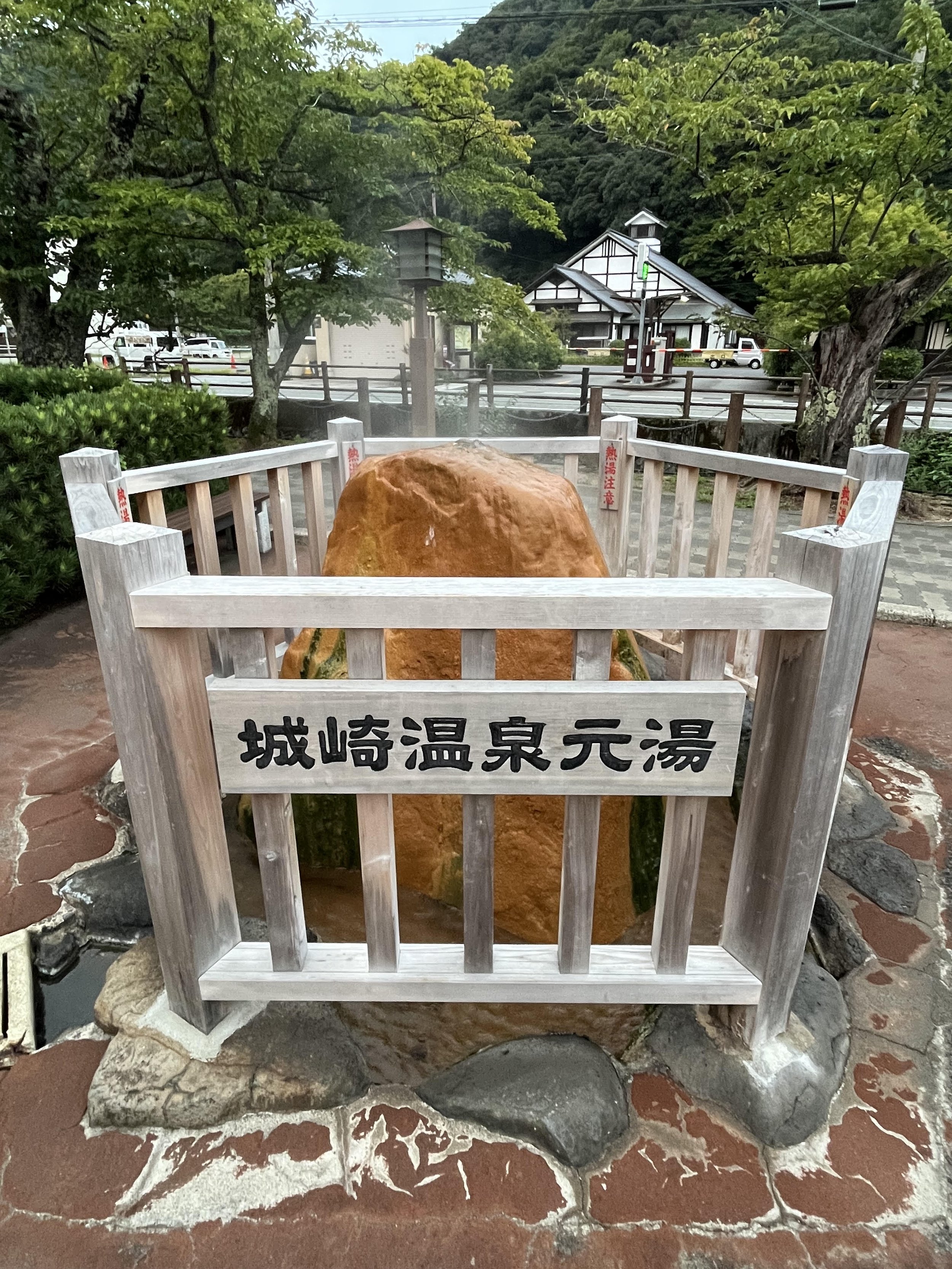
Kinosaki Onsen has seven public bathhouses
Things to Enjoy
Visiting the Seven Public Bathhouses
Kinosaki Onsen has seven public bathhouses: Kōno-yu, Mandara-yu, Gosho-no-yu, Ichino-yu, Yanagi-yu, Jizo-yu, and Satono-yu. Each bathhouse has its own unique architecture and atmosphere, making the experience of visiting several baths especially enjoyable.
Strolling Through Town in a Yukata
The hot-spring town is dotted with souvenir shops, cafés, foot baths, and traditional shooting galleries. Taking a leisurely stroll through the streets in a yukata after bathing is one of the quintessential Kinosaki experiences.
The Kinosaki Ropeway
From the mountaintop, you can enjoy panoramic views of Kinosaki Onsen, the Maruyama River, and the Sea of Japan.
Local Cuisine
Visitors can enjoy dishes prepared with a variety of local ingredients, including Matsuba crab, a winter delicacy; Tajima beef; and rice and vegetables produced in the Tajima region.
Exploring Literary Heritage
Kinosaki is also known as the setting of Naoya Shiga’s celebrated work At Kinosaki. Visitors can enjoy exploring places associated with the author and the literary history of the town.
Notes on the Public Bathhouses
Guests staying at a ryokan are generally provided with a pass that allows them to use the seven public bathhouses during their stay. If you are visiting for the day, it is advisable to check the opening hours and regular closing days of each bathhouse in advance.
Opening hours vary by facility, although many of the bathhouses are open from early morning until late evening. Please note that Mandara-yu and Yanagi-yu open in the afternoon. According to the official tourism information currently available, Satono-yu is closed for an extended period.
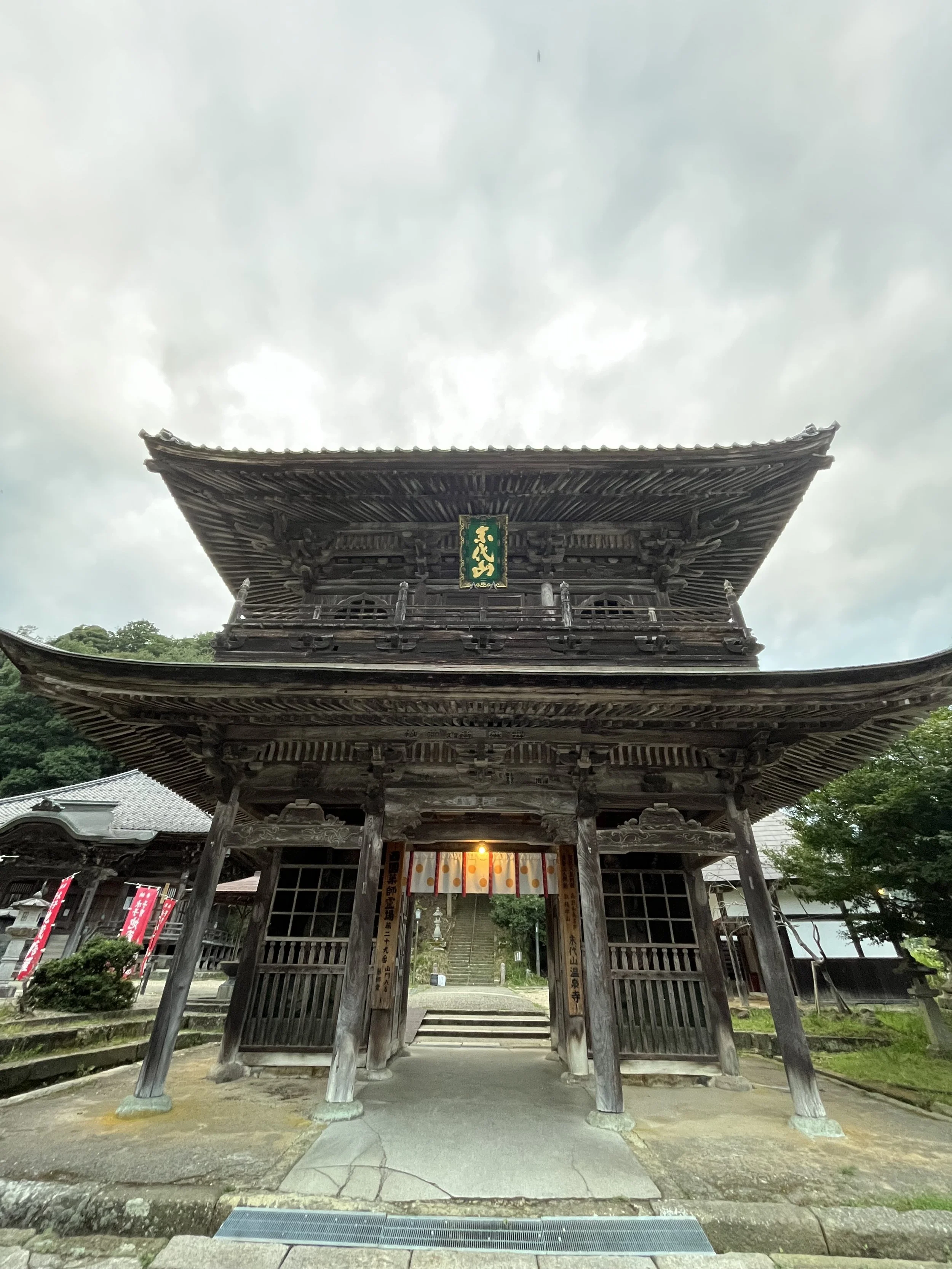
Kinosaki Onsen has seven public bathhouses
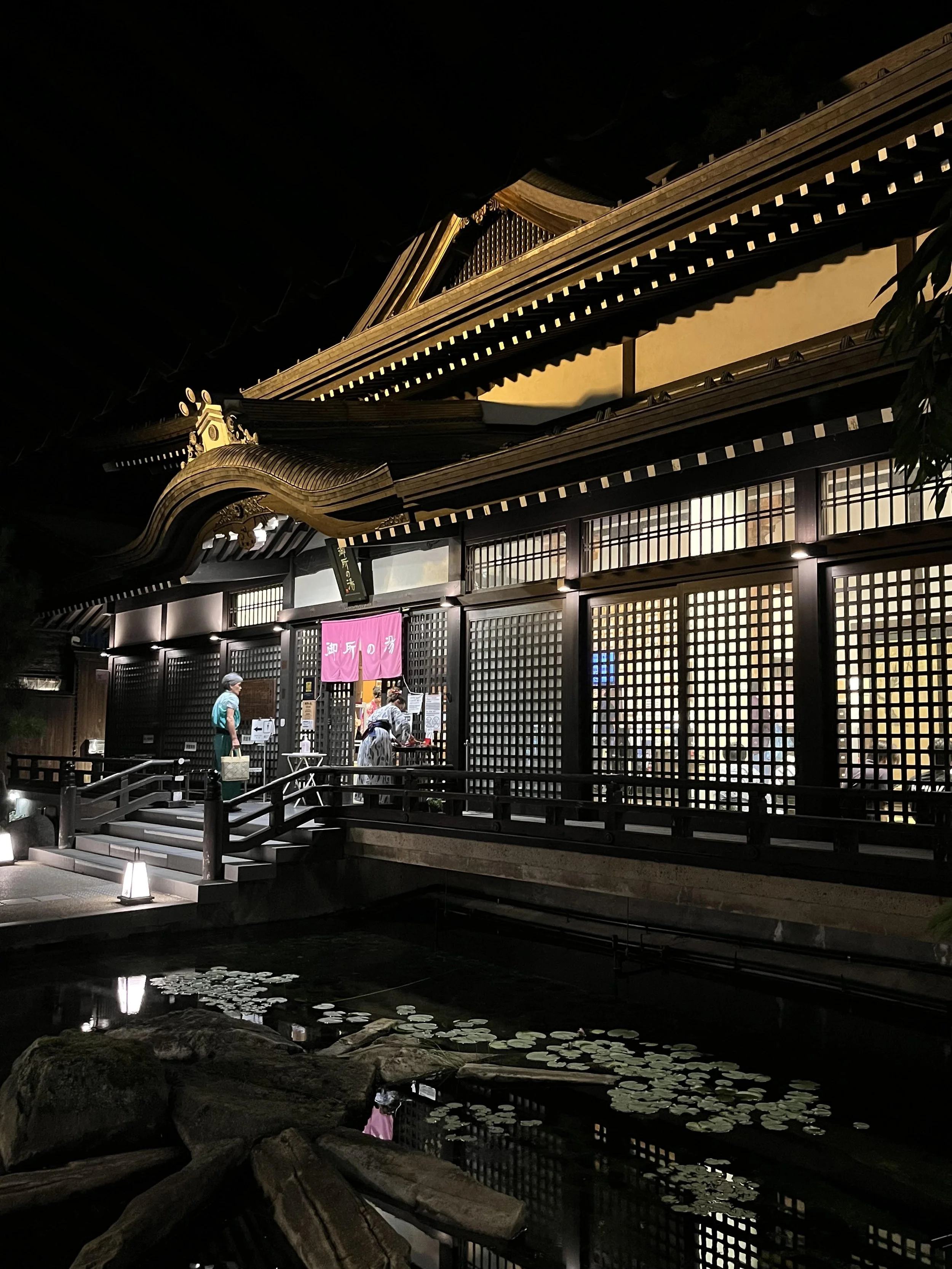
Kinosaki Onsen has seven public bathhouses
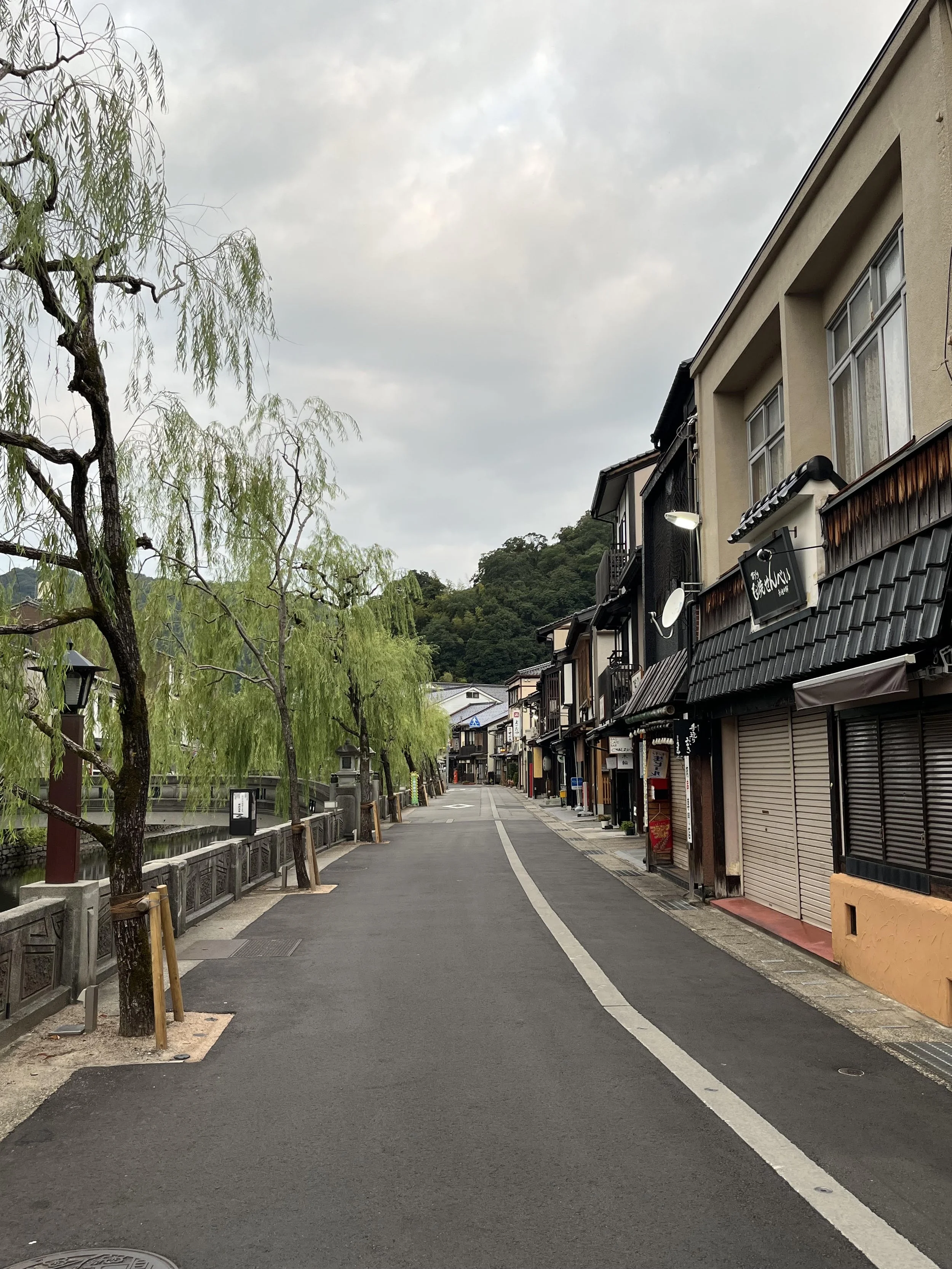
Kinosaki onsen area
Access from Tokyo
The most common route from Tokyo Station is to take the Tokaido Shinkansen to Kyoto Station and then transfer to the Limited Express Kinosaki. Depending on the train connections, the journey generally takes approximately four and a half to five hours. According to the Kinosaki Onsen Tourism Association, the journey from the Tokyo area takes approximately four hours and 40 minutes.
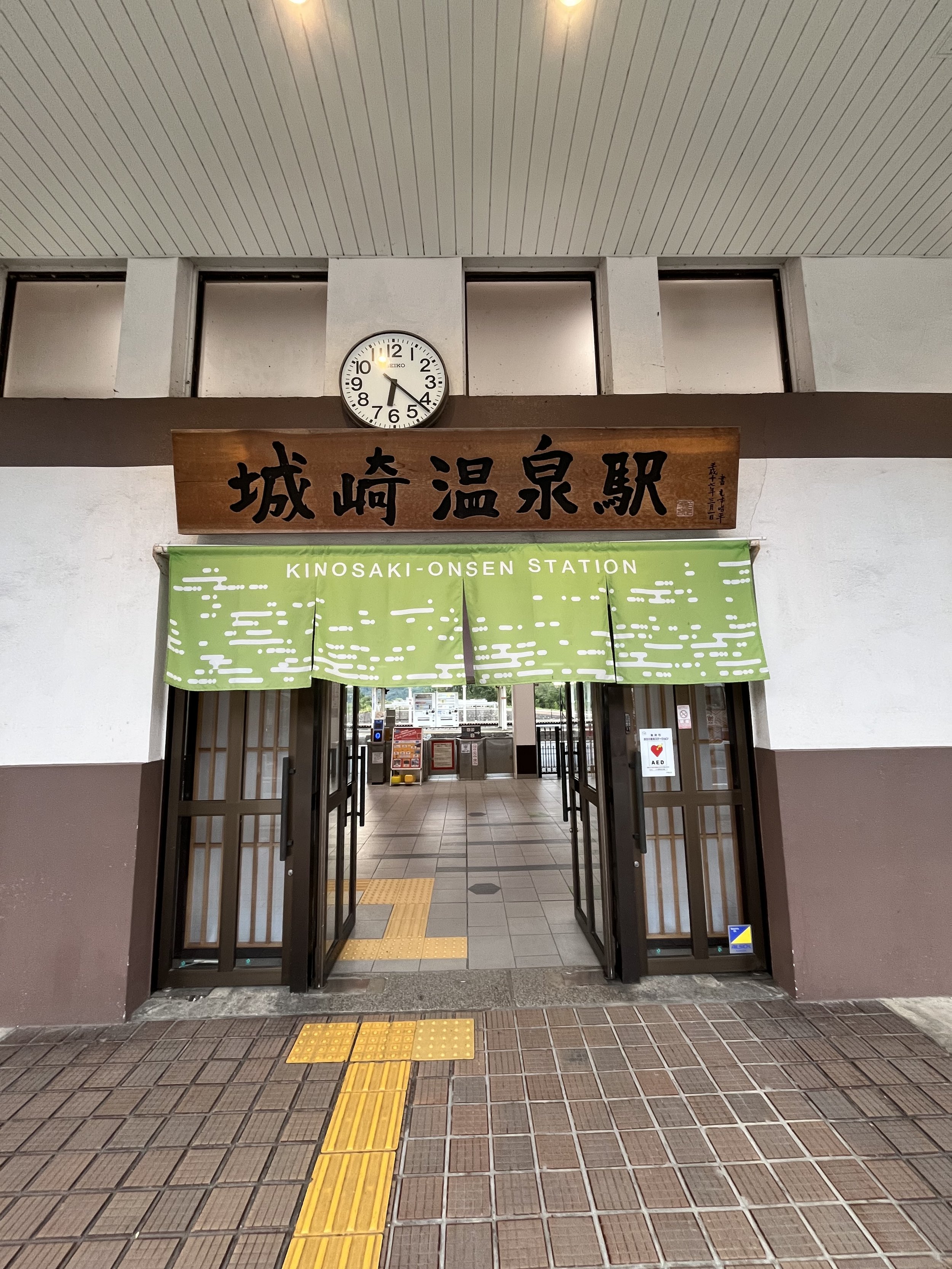
Kinosaki Onsen has seven public bathhouses
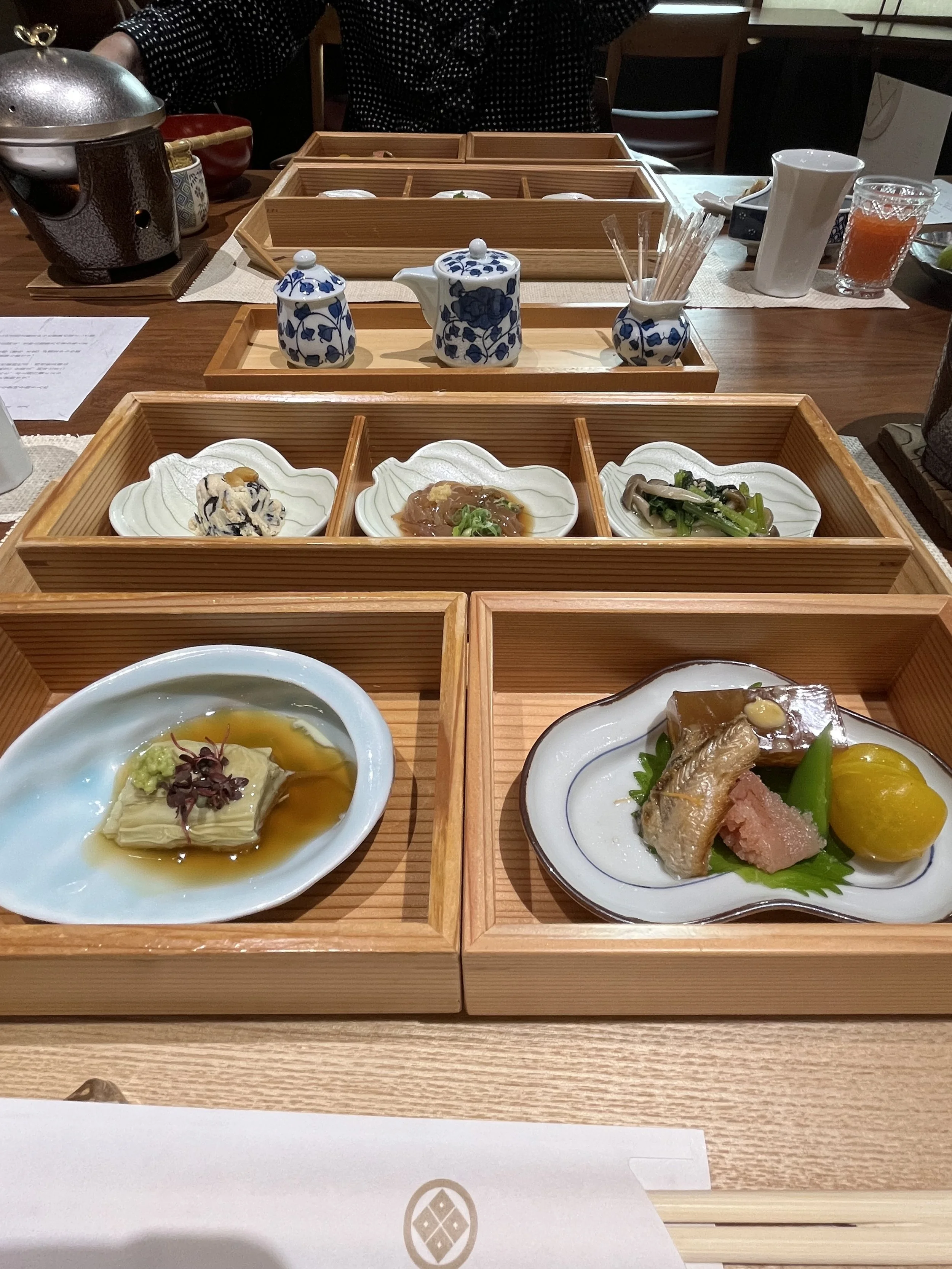
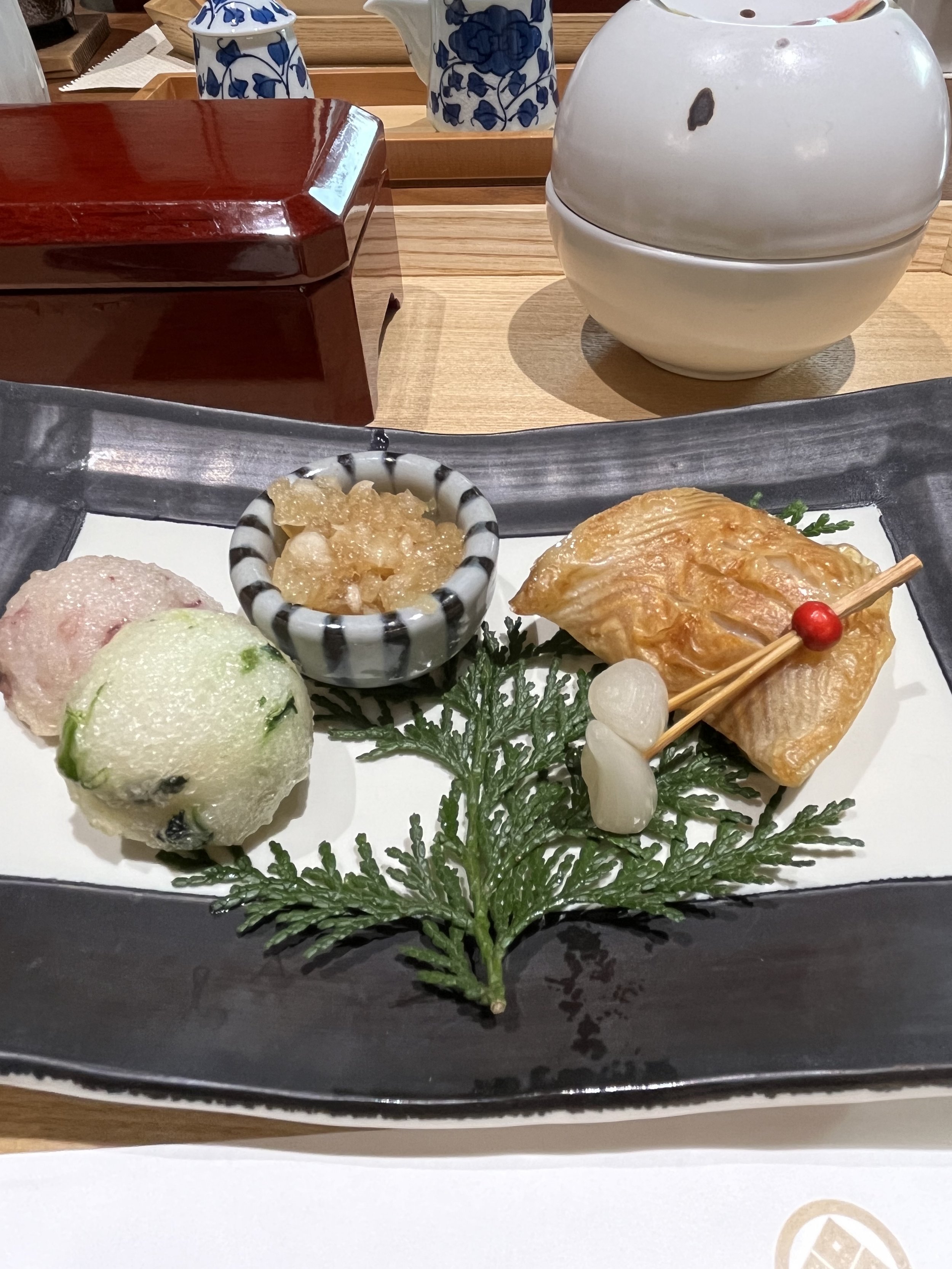
Nishimuraya Honkan is a historic hot-spring inn (ryokan) in Kinosaki Onsen, Hyogo, with over 160 years of history since its founding in the Edo period (1859).The hotel where we stayed this time. It was an amazing experience.
Basic Information
Address: 469 Yushima, Kinosaki-cho, Toyooka, Hyogo 669-6101, Japan
Phone: 0796-32-2211 (shared reservation line with Shōgetsutei: 0796-32-4895)
Official Website: https://www.nishimuraya.ne.jp/honkan/
Founded: Edo period, Ansei era (1859)
Rooms: 34 rooms in total (Honkan and Heitakan combined)
Check-in: 15:00–18:00 (last check-in at 17:00)
Check-out: 11:00
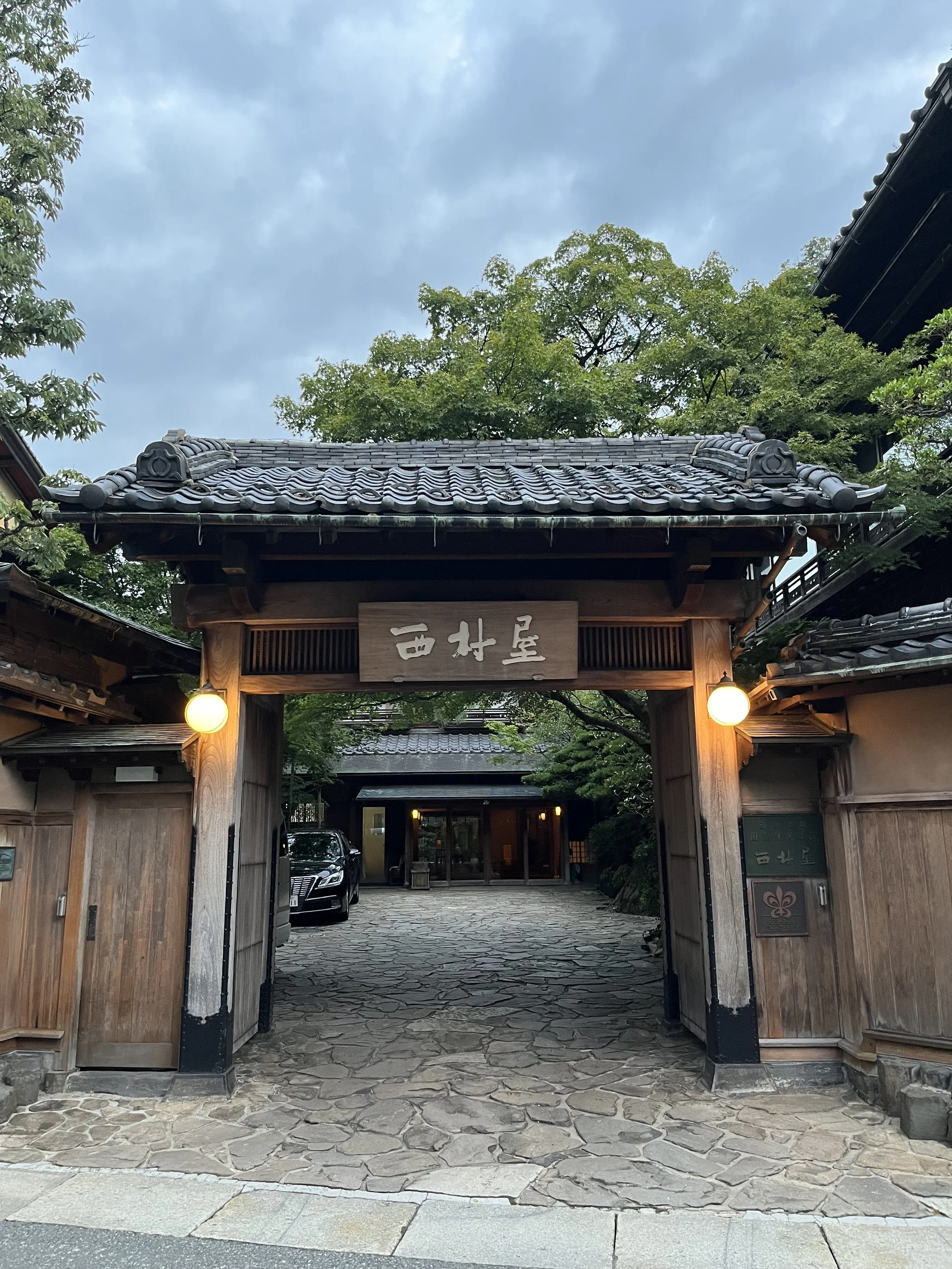
Nishimuraya, Kinosaki Onsen- Japanese Home Cooking and Sweets Class in Tokyo
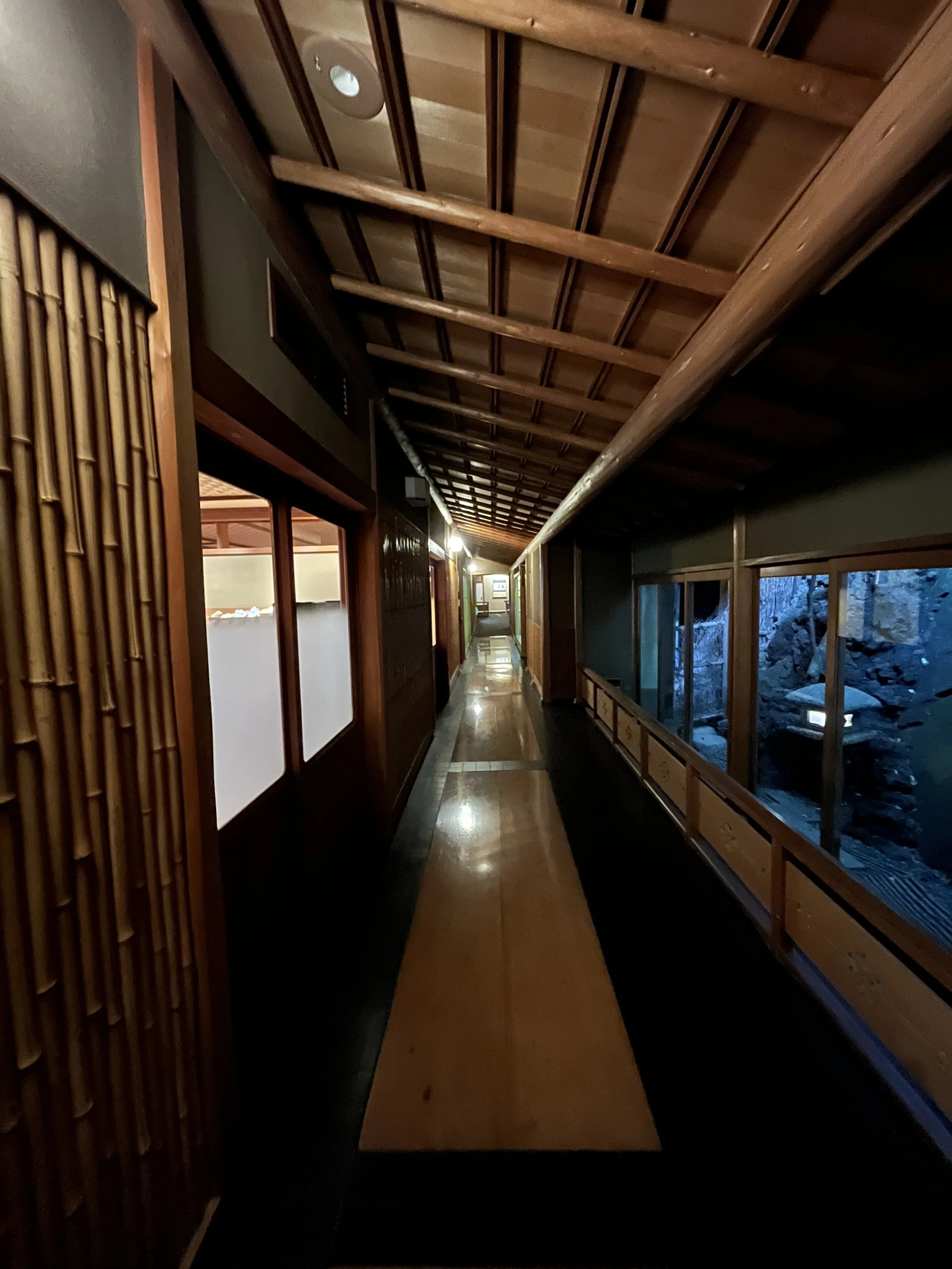
Nishimuraya, Kinosaki Onsen- Japanese Home Cooking and Sweets Class in Tokyo
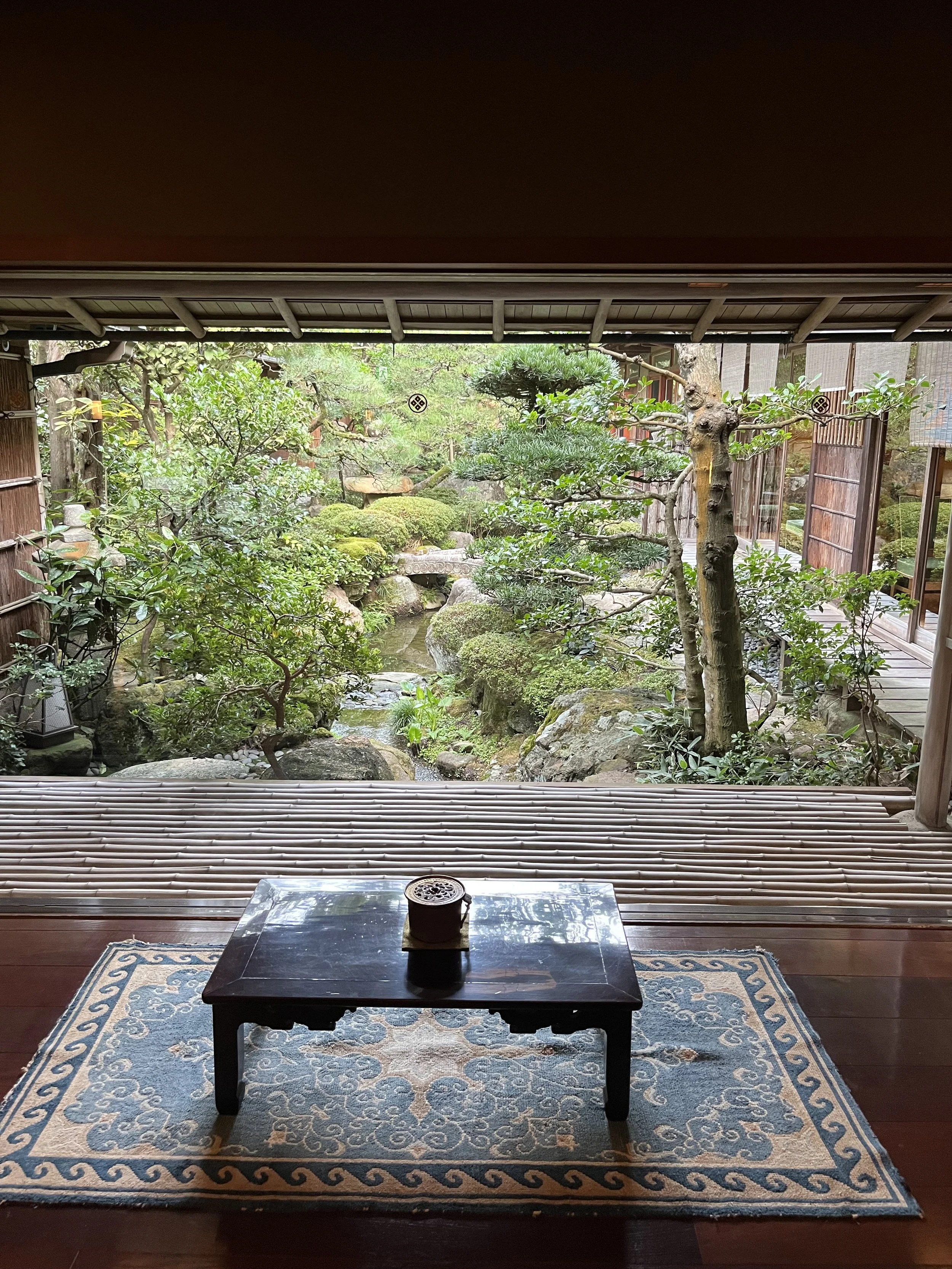
Nishimuraya Honkan
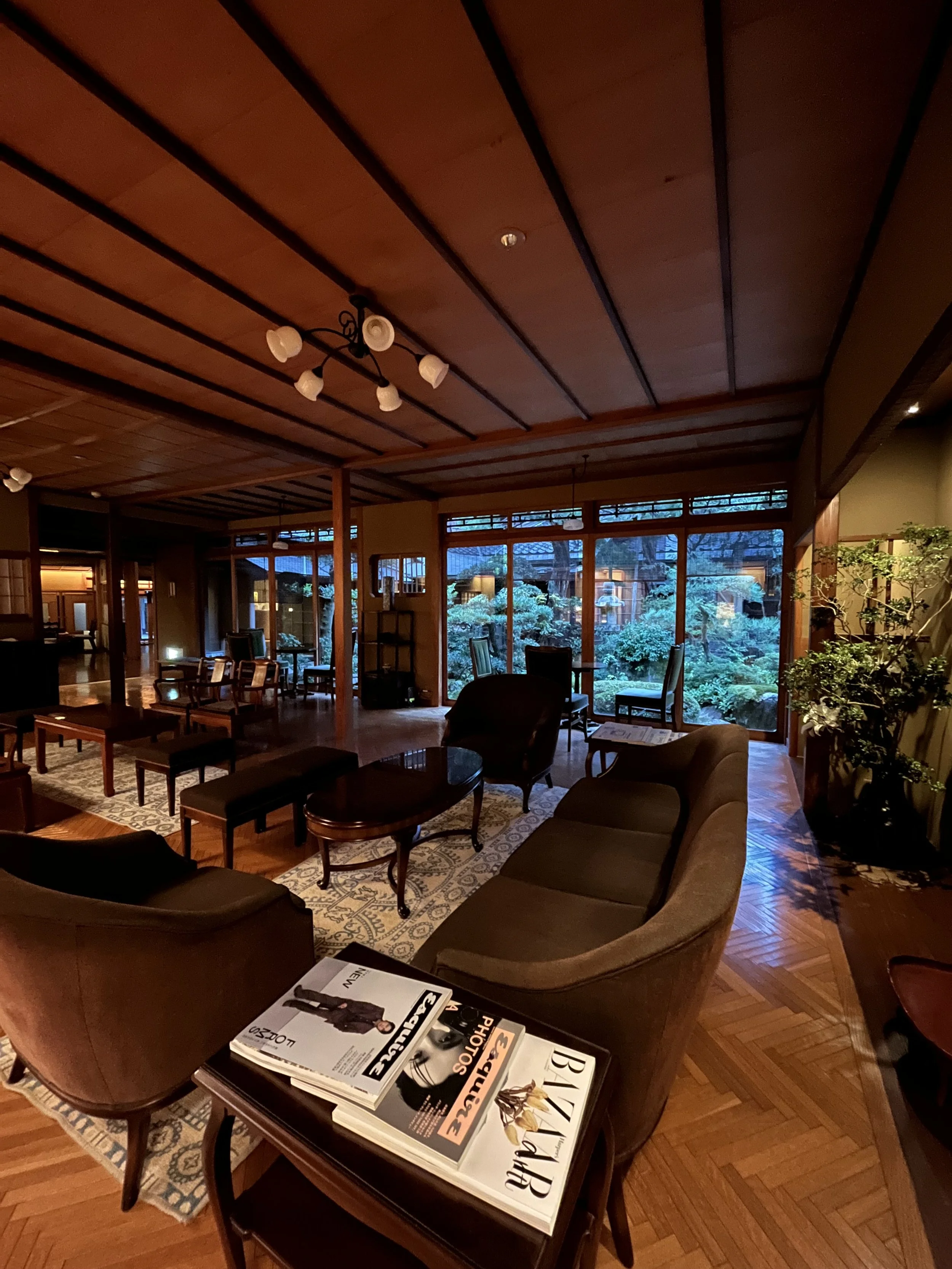
Nishimuraya, Kinosaki Onsen- Japanese Home Cooking and Sweets Class in Tokyo
Highlights
Regarded as one of the finest traditional Japanese ryokan in the San’in region, with more than 160 years of history and heritage.
Registered Tangible Cultural Property “Heitakan”: Designed in 1960 by renowned sukiya-style architect Masaya Hirata; designated a Registered Tangible Cultural Property in 2015.
International Recognition: Selected as a 1-Michelin Key hotel in the 2026 Michelin Key Hotels selection for Japan, and a member of the luxury hotel and restaurant network Relais & Châteaux.
Onsen: Features chloride-type hot-spring baths, including large indoor baths and open-air baths (“Yoshi-no-yu,” “Fuku-no-yu,” “Shō-no-yu,” etc.).
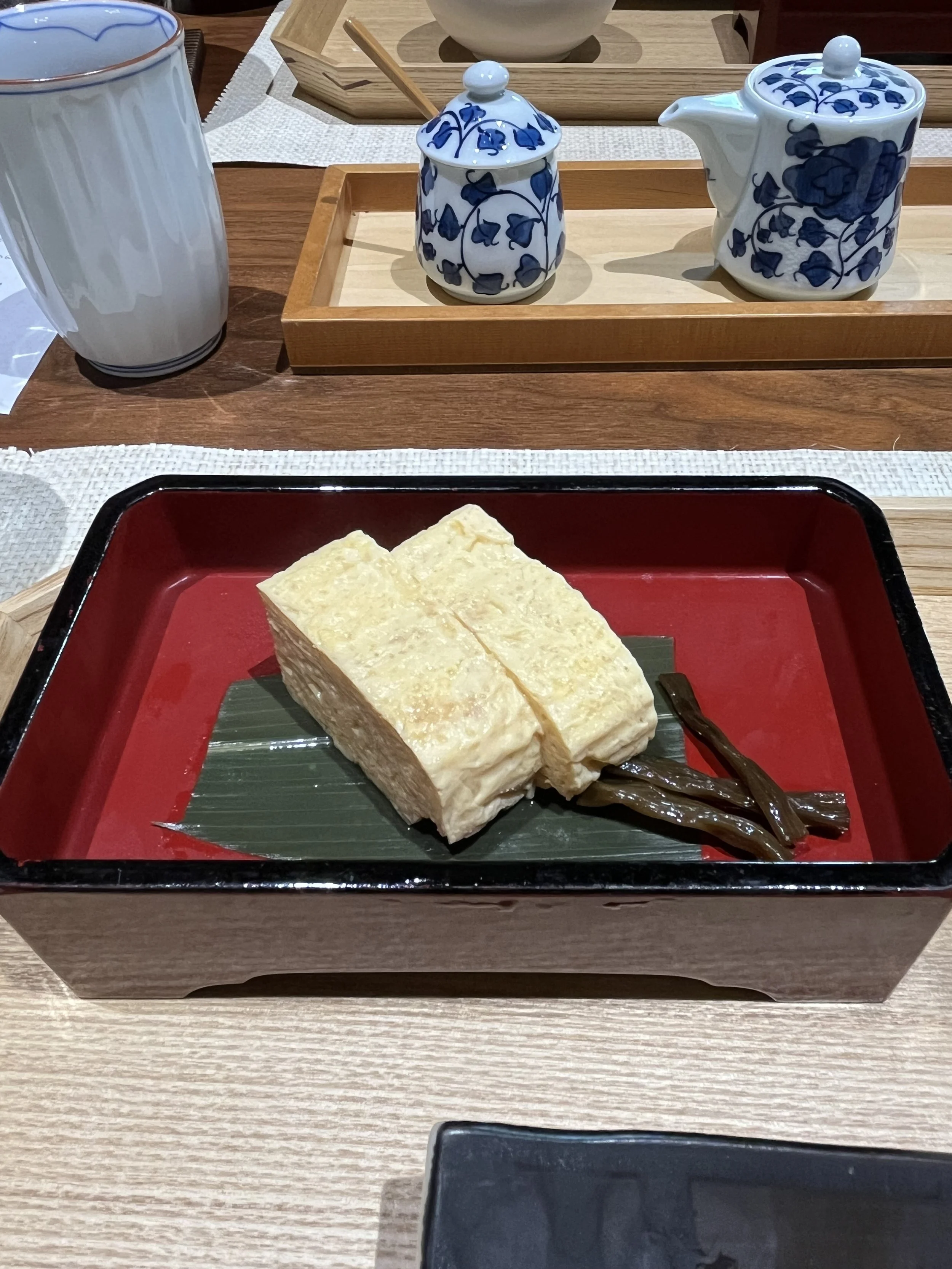
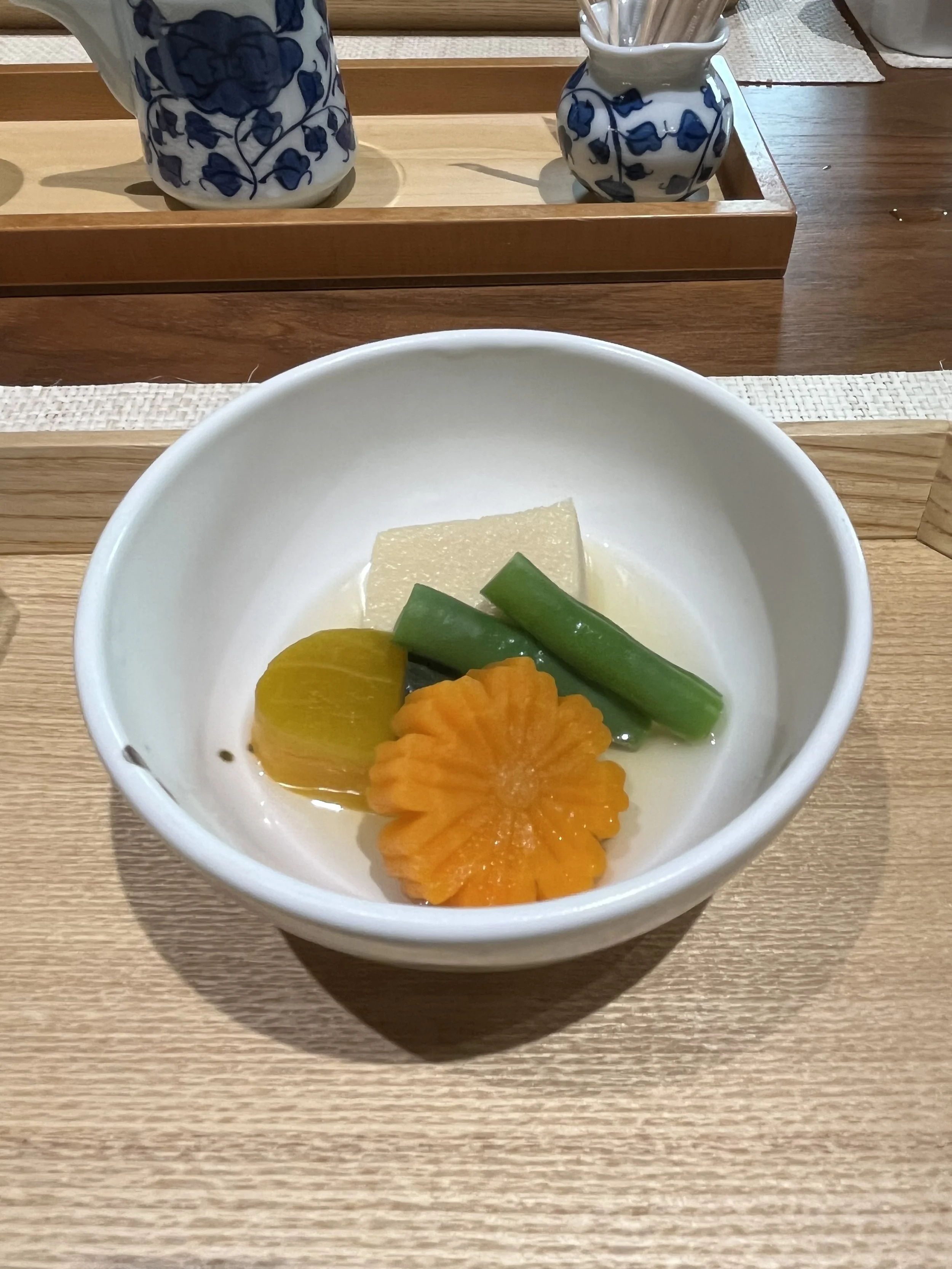
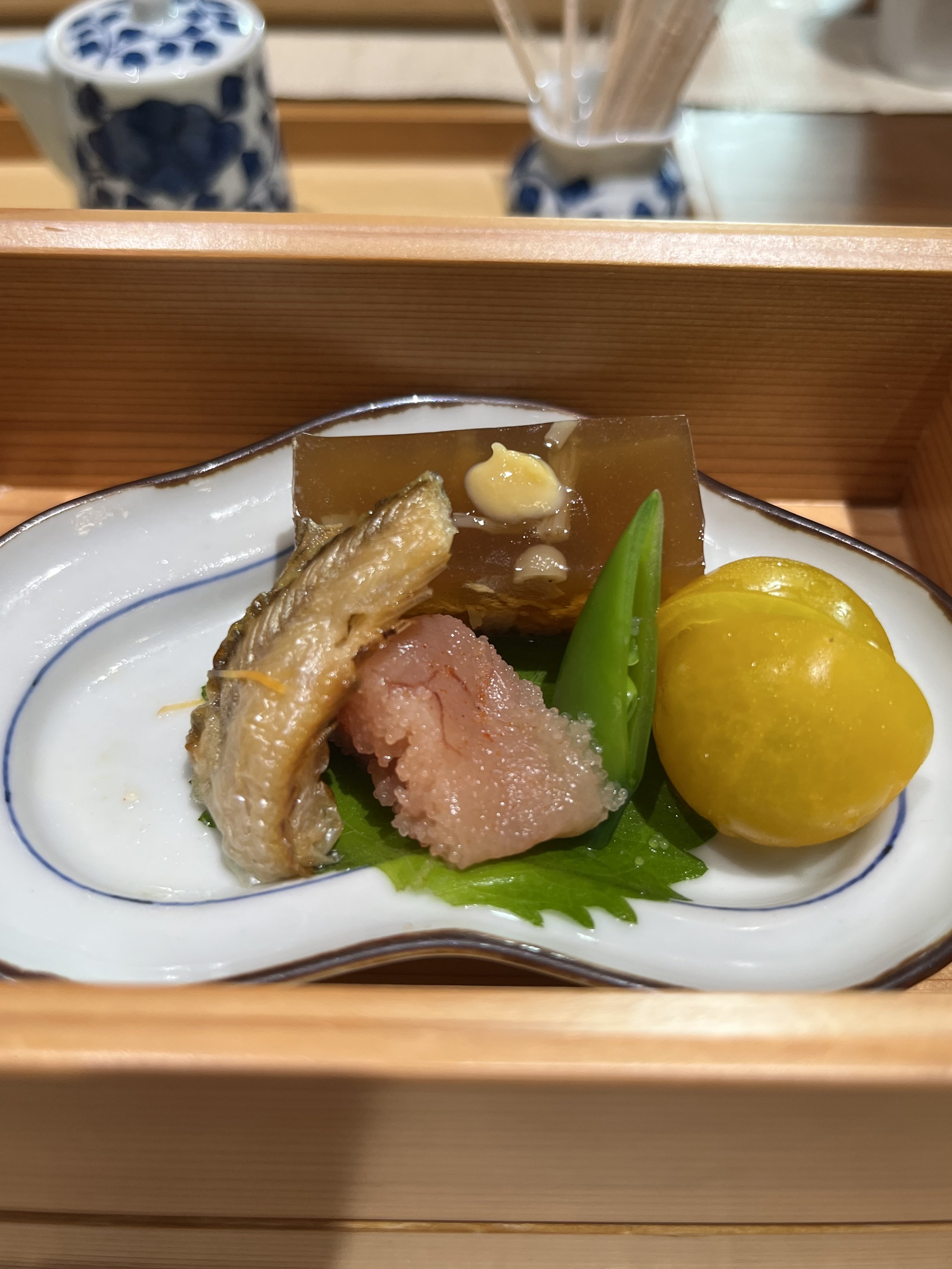
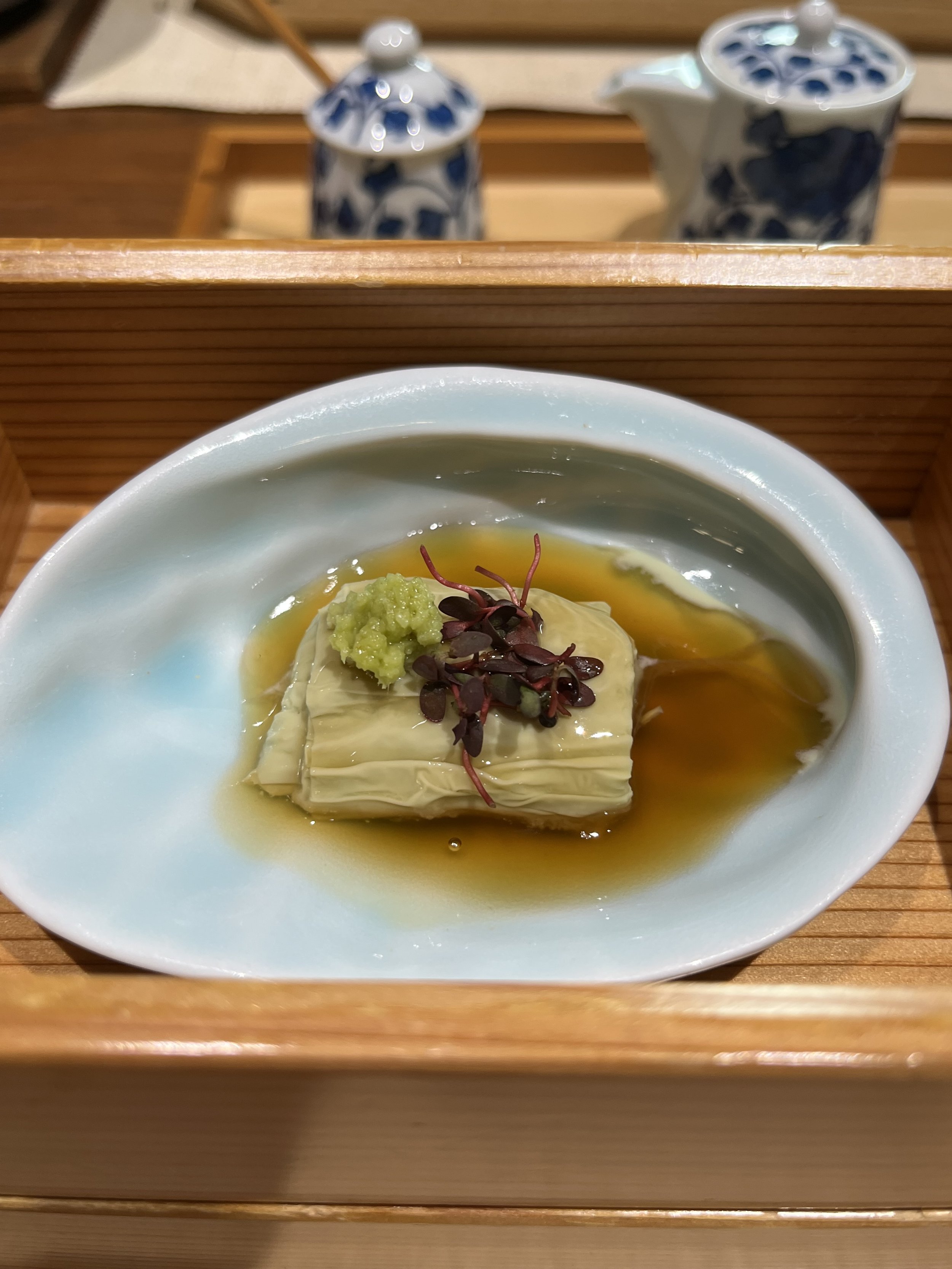
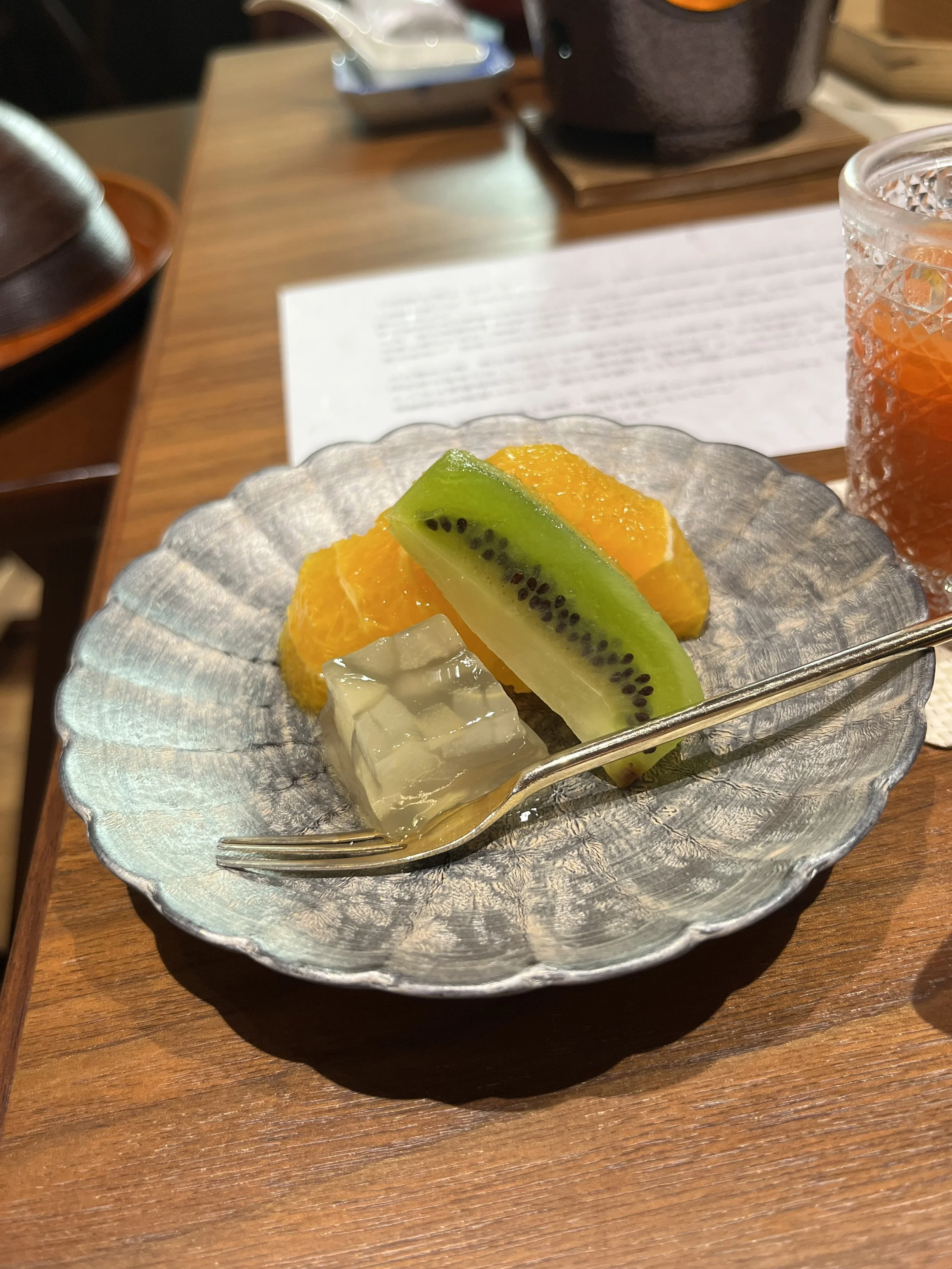
Cuisine: Serves kaiseki dining showcasing seasonal Tajima ingredients; especially famous for winter crab dishes and Tajima beef.
Gardens & Culture: Guest rooms overlook meticulously maintained Japanese gardens. The inn also displays calligraphy, paintings, and antique artworks, and has long been favored by writers and artists.
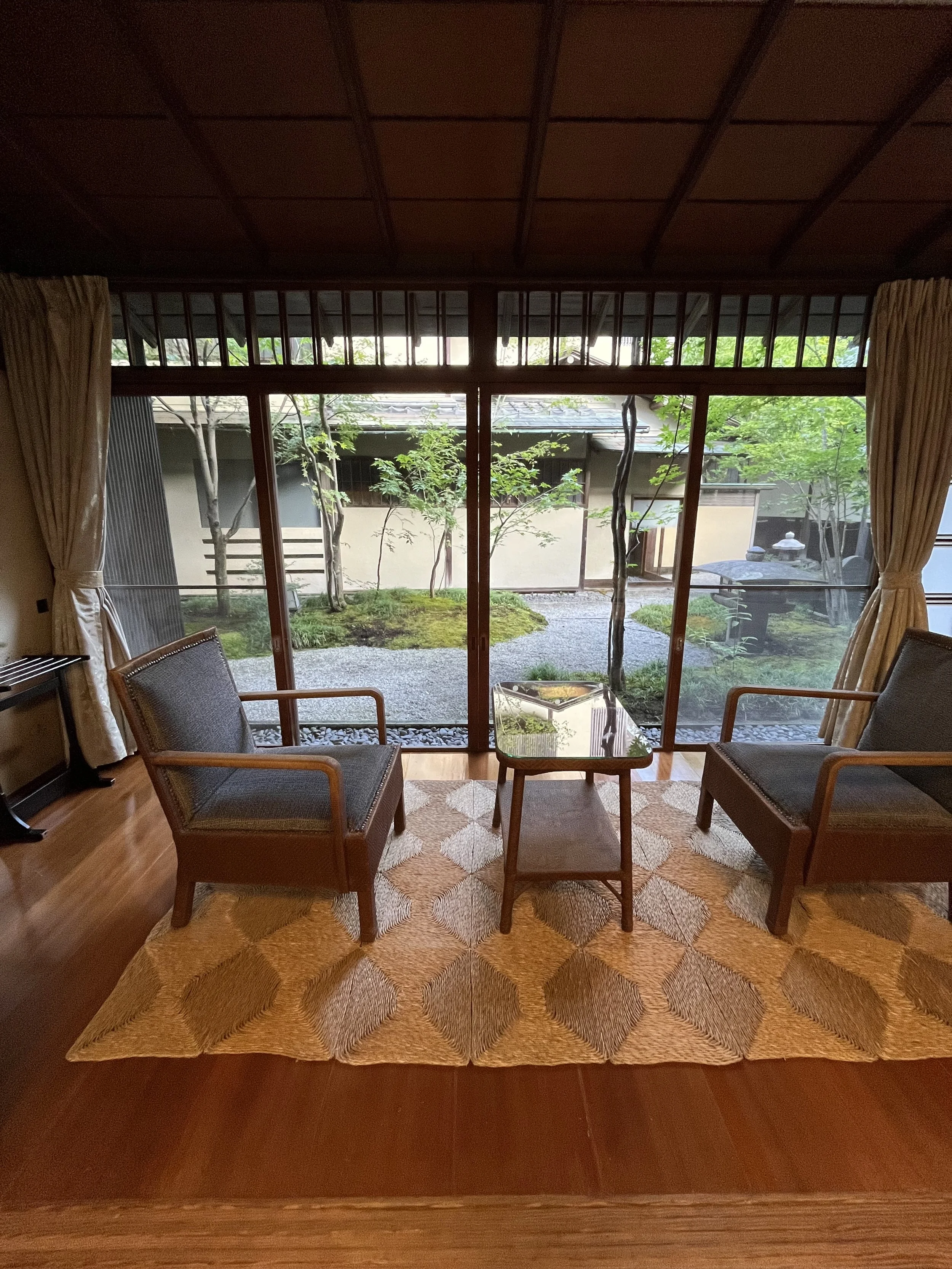
Nishimuraya Honkan Room
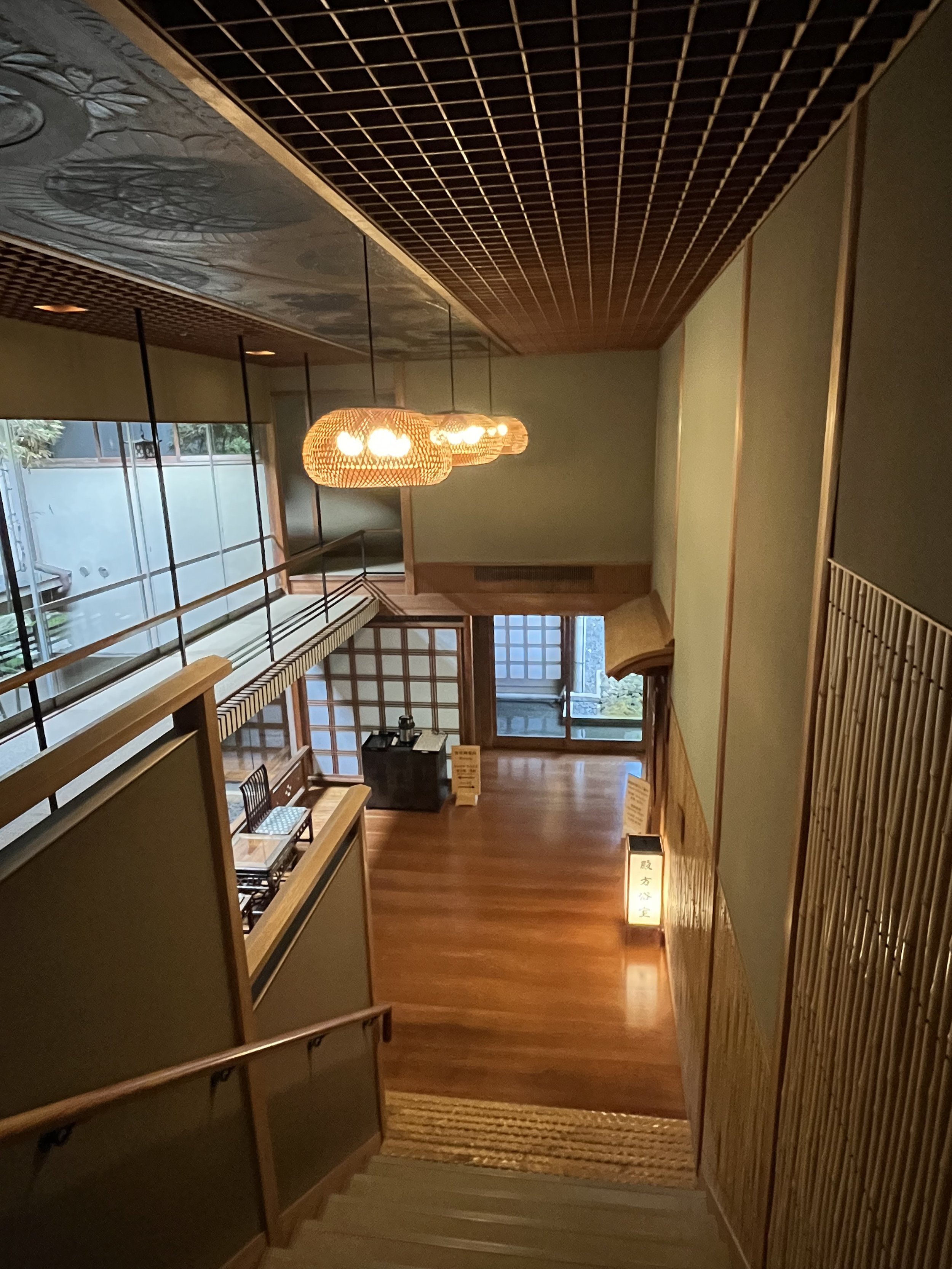
Nishimuraya Honkan
Access
By Train: About a 15-minute walk from JR Kinosaki Onsen Station (free shuttle bus available from the ryokan association; complimentary pick-up for limited express arrivals).
By Car: About 20–25 minutes from Tajima Airport IC on the Hokkinki-Toyooka Expressway, or about 18 minutes from Toyooka-Izushi IC.
Parking: Free parking for up to 30 vehicles; no reservation required.
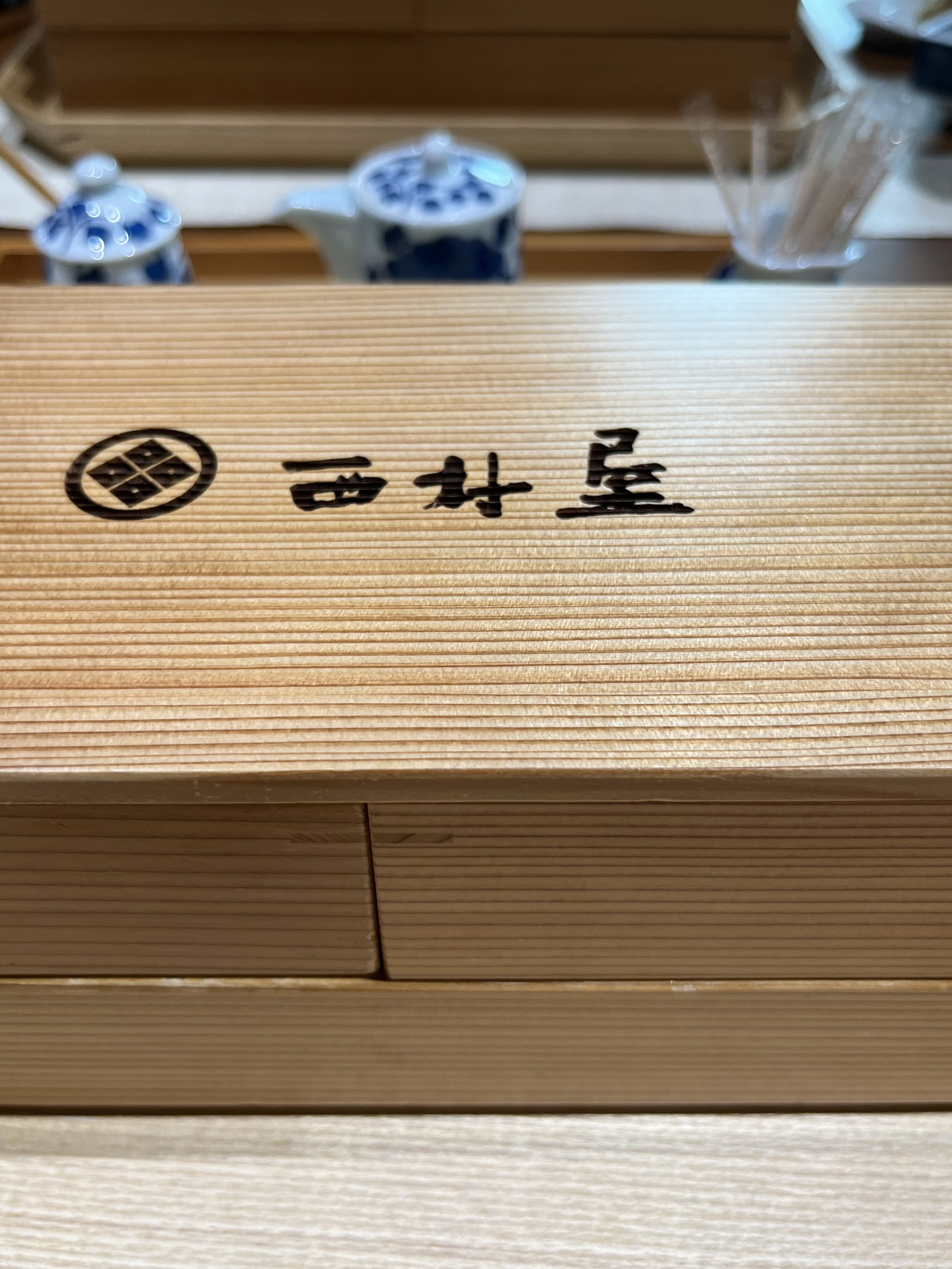
Nishimuraya, Kinosaki Onsen- Japanese Home Cooking and Sweets Class in Tokyo
Nishimuraya, Kinosaki Onsen- Japanese Home Cooking and Sweets Class in Tokyo
Nishimuraya, Kinosaki Onsen- Japanese Home Cooking and Sweets Class in Tokyo
Nishimuraya, Kinosaki Onsen- Japanese Home Cooking and Sweets Class in Tokyo
Nishimuraya, Kinosaki Onsen- Japanese Home Cooking and Sweets Class in Tokyo
Nishimuraya, Kinosaki Onsen- Japanese Home Cooking and Sweets Class in Tokyo
Nishimuraya, Kinosaki Onsen- Japanese Home Cooking and Sweets Class in Tokyo
Nishimuraya, Kinosaki Onsen- Japanese Home Cooking and Sweets Class in Tokyo
●As a final point, My heartfelt sympathies go out to everyone affected by the typhoon in Chiba and Kanagawa.
Kinosaki Onsen has also experienced repeated earthquakes and other natural disasters over the years. The ryokans there, too, have been repaired and restored many times after suffering damage.
Thinking about the disaster in Chiba, I was reminded once again that Japan has long been a country where people have lived alongside nature, while also facing its power and threats.
And perhaps that is precisely why Japan’s landscapes are so incredibly beautiful. It was a memorable journey that allowed me to appreciate both the blessings and the severity of nature.