Ine Funaya Boathouses in JAPAN- Japanese Home Cooking and Sweets Class in Tokyo
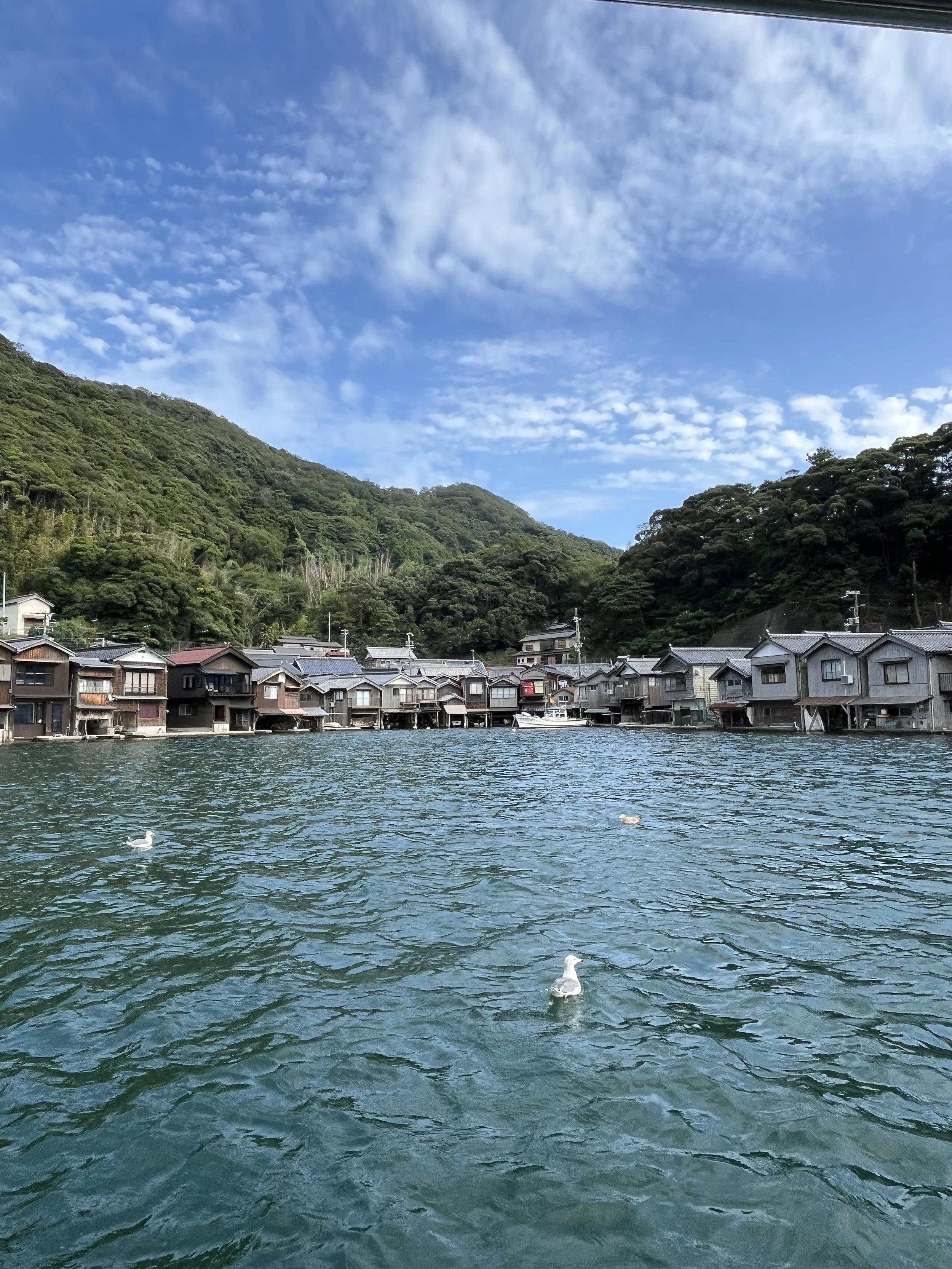
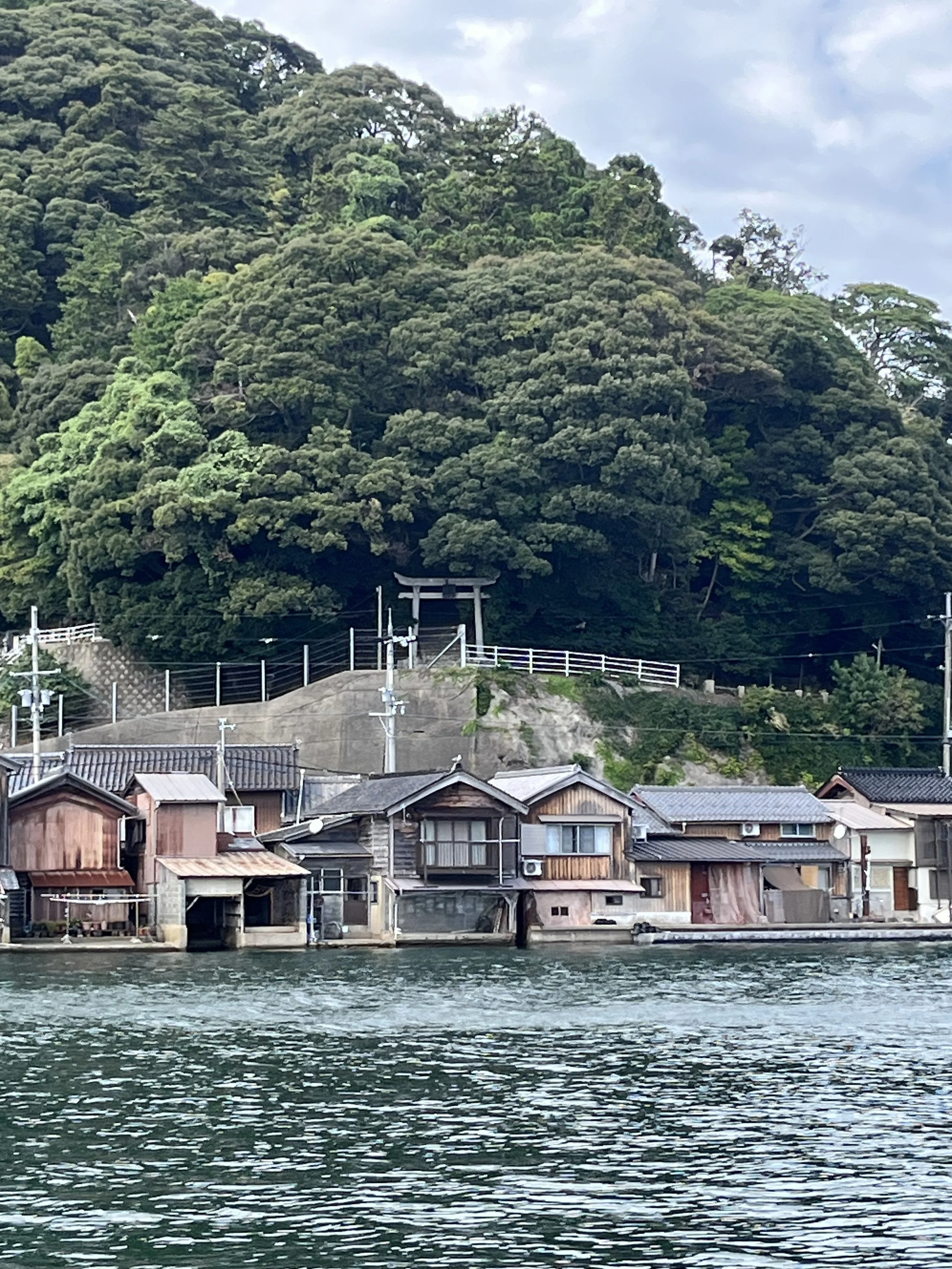
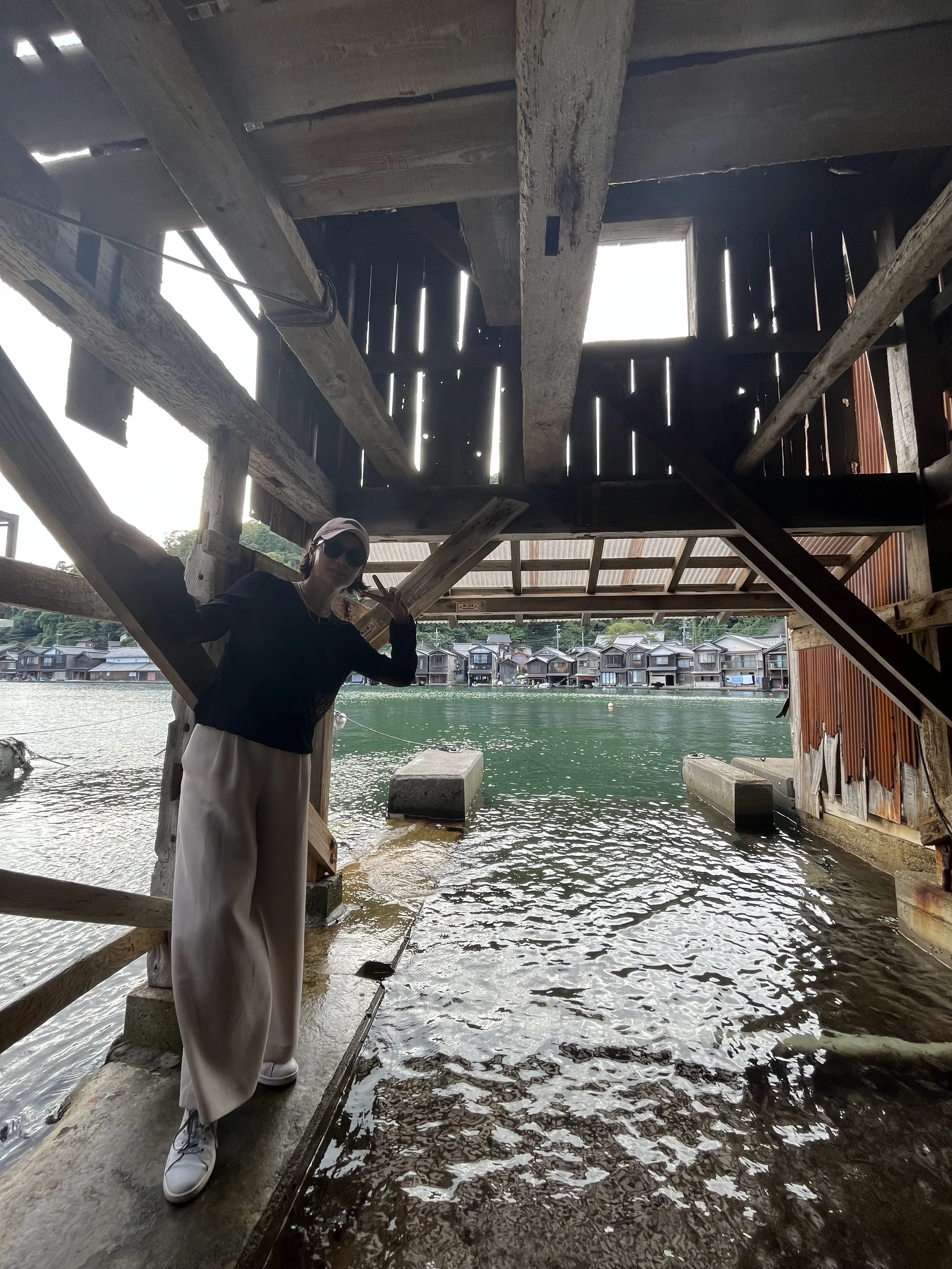
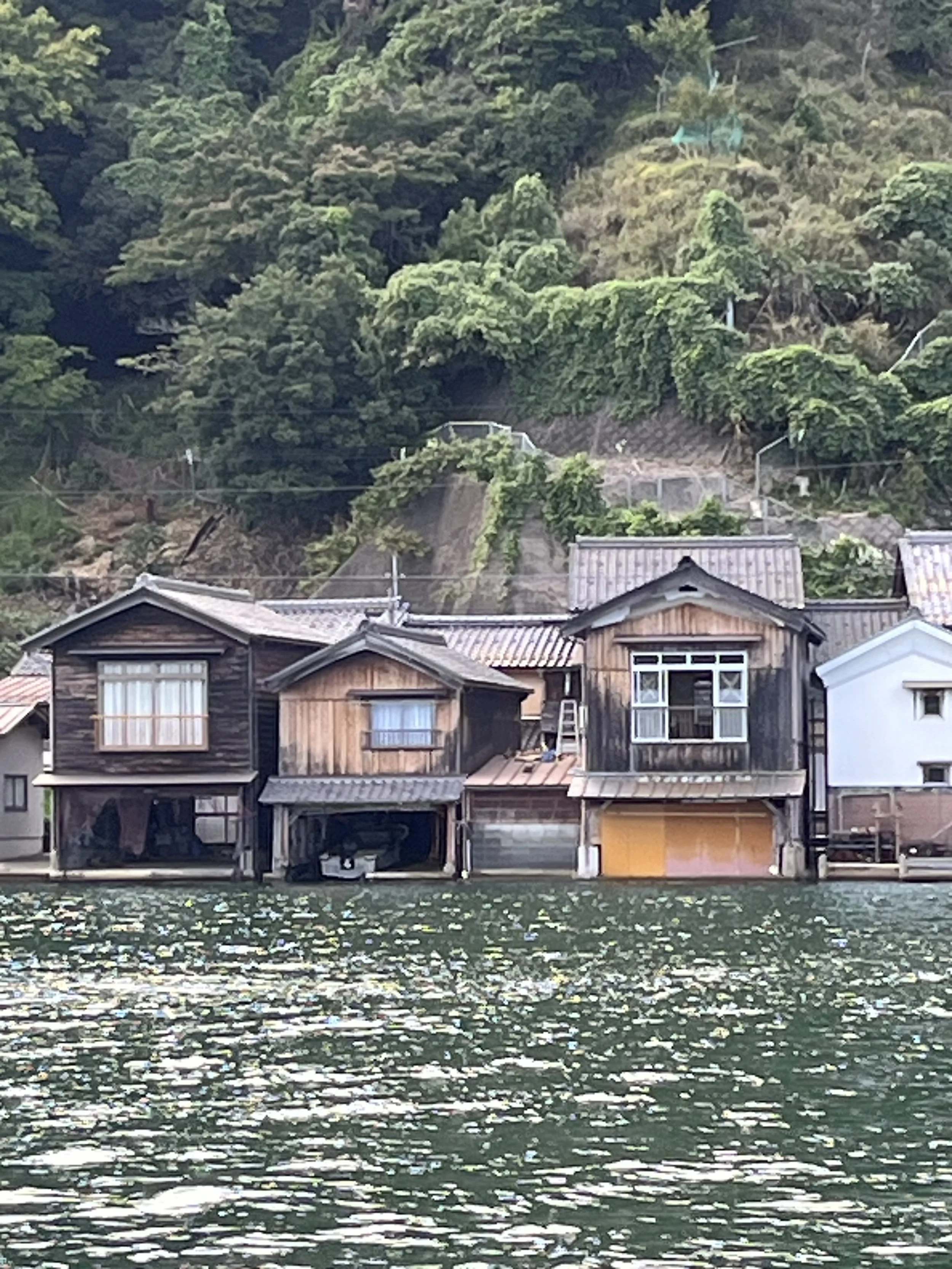
The Ine Funaya boathouses are traditional buildings located along Ine Bay in Ine Town, northern Kyoto. They combine a boathouse and a residence: the first floor is used to store boats and as a work area, while the second floor is used as living space. Built right beside the water, they are known for their unique landscape.
Ine Funaya Boathouses in JAPAN- Japanese Home Cooking and Sweets Class in Tokyo
Ine Funaya Boathouses in JAPAN- Japanese Home Cooking and Sweets Class in Tokyo
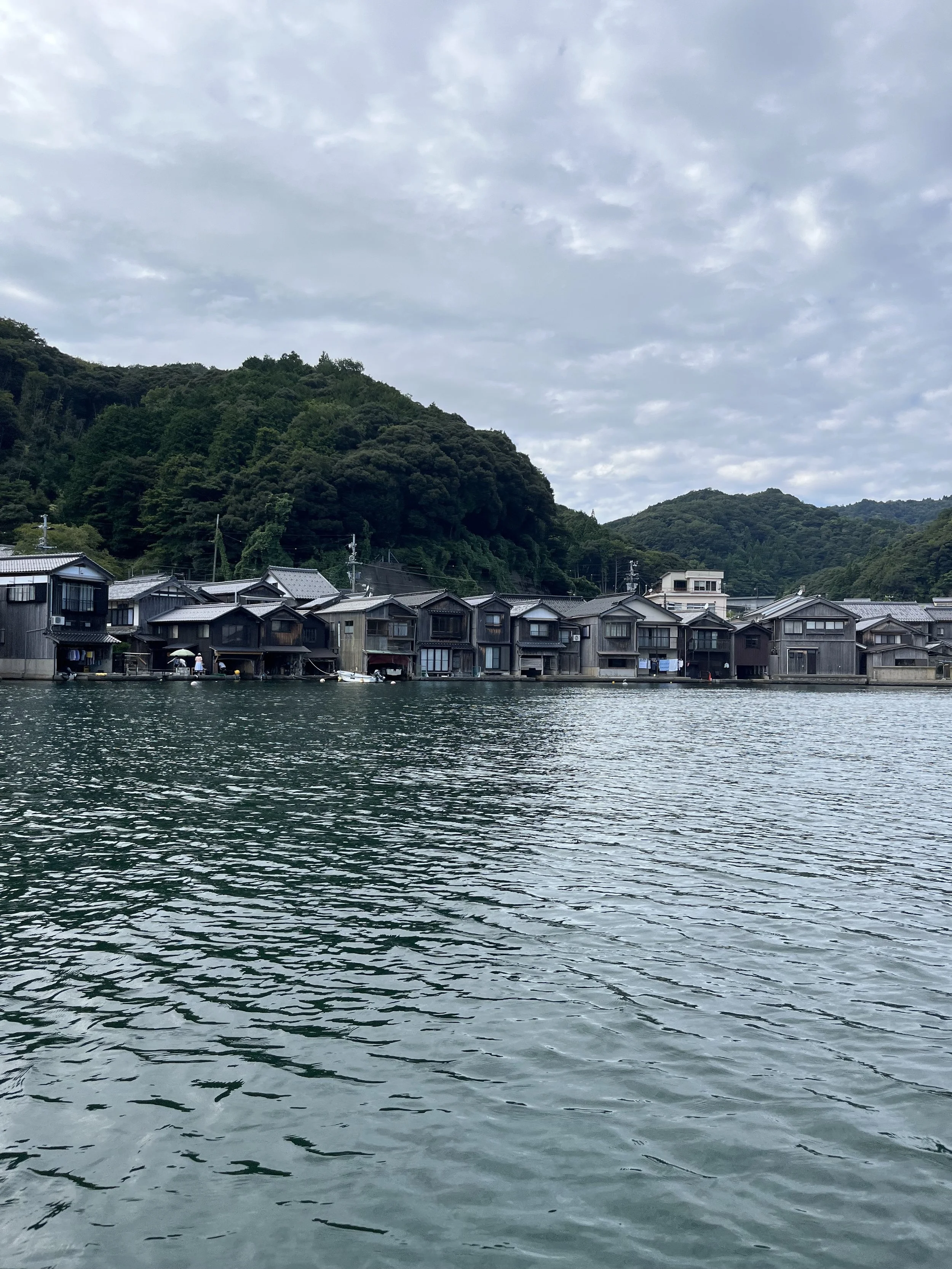
Approximately 230 boathouses line the coast of Ine Bay. The townscape of Ineura was designated as Japan’s first Important Preservation District for Groups of Traditional Buildings recognized as a fishing village.
History of the Ine Funaya Boathouses
The Ine Funaya boathouses developed from the calm waters of Ine Bay and the fishing-based lifestyle of the local people. Because Ine Bay faces south and is a naturally sheltered harbor with relatively calm waves, fishing has flourished here since ancient times.
Originally, the boathouses were built to protect wooden fishing boats pulled up from the sea from rain, wind, and insects, as well as to allow them to dry. Boats were stored on the first floor, while the second floor was used to store fishing nets and equipment and to hang nets out to dry.
Ine Funaya Boathouses in JAPAN- Japanese Home Cooking and Sweets Class in Tokyo
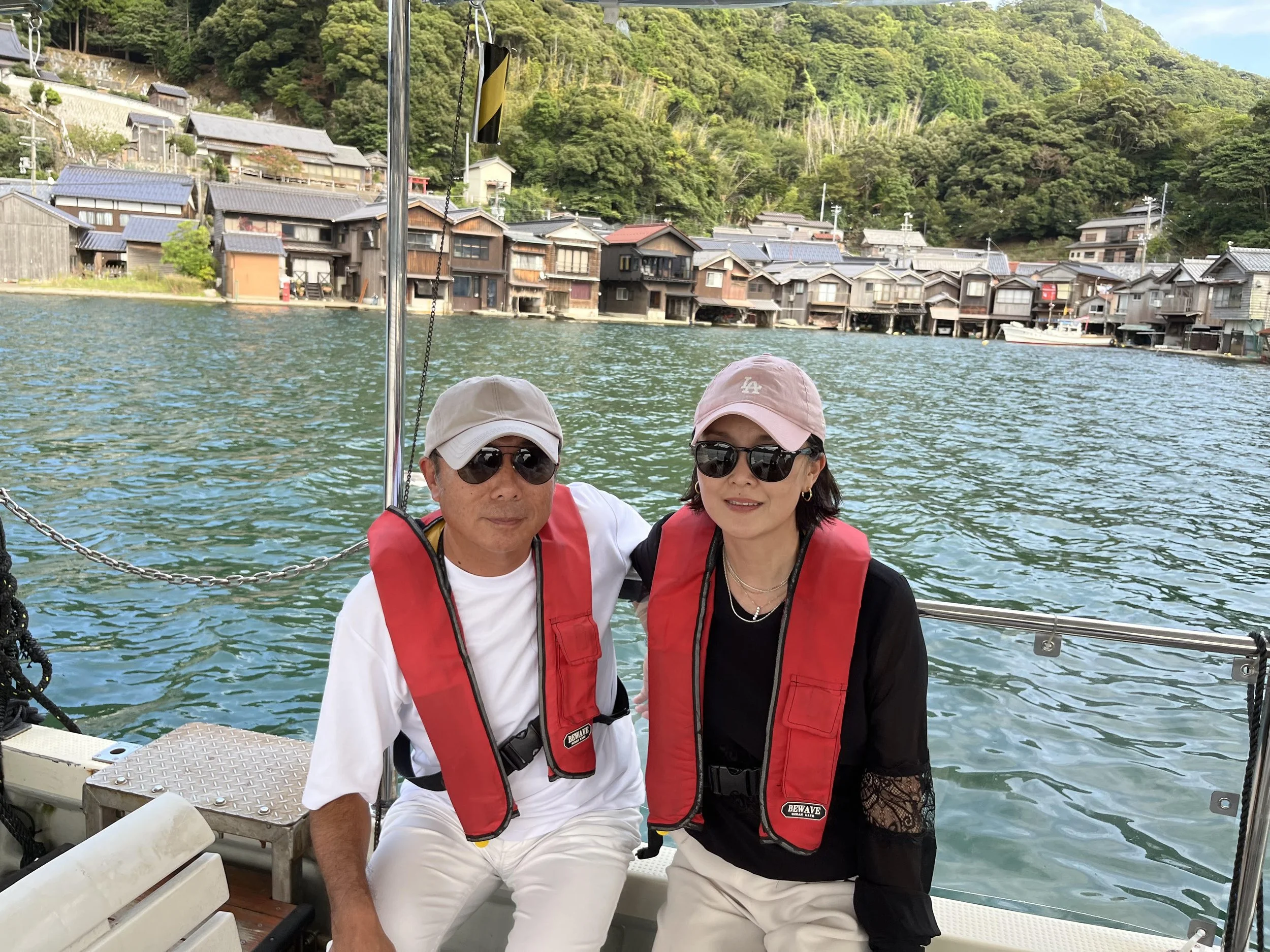
With my husband
Ine Funaya Boathouses in JAPAN- Japanese Home Cooking and Sweets Class in Tokyo
As lifestyles changed, the second floor gradually came to be used as living space or an annex. In this way, the buildings developed into the distinctive boathouses seen today, combining a boathouse and a residence. The Funaya are not only facilities used for fishing; they also represent the traditional way of life of the people of Ine, who have lived in harmony with the sea.
The group of Ine Funaya boathouses preserves the fishing-village lifestyle and landscape that have continued since the Edo period. The unique townscape, in which the boathouses, main houses, narrow streets, and waterfront are closely integrated, was highly valued. In 2005, the Ineura district became Japan’s first Important Preservation District for Groups of Traditional Buildings designated as a fishing village.
Today, some of the boathouses continue to serve their original purposes, such as storing boats and fishing equipment. Others have been adapted for use as residences, guest accommodations, restaurants, and other businesses. In this way, the traditional landscape is being preserved while also supporting modern life and tourism.
However, most of the boathouses are privately owned buildings where local residents still live. When visiting, it is important to remember that the Funaya are not simply tourist attractions but also people’s homes and living spaces. Visitors should not enter private property without permission and should enjoy the townscape quietly and respectfully.
Ine Funaya Boathouses in JAPAN- Japanese Home Cooking and Sweets Class in Tokyo
Walk Along the Waterfront
The area around Hirata offers beautiful views of the townscape, where the sea and the Funaya boathouses come together.
Take a Sightseeing Boat
A boat tour provides a panoramic view of the Funaya from the sea. The scenery looks different from the view on land, with the buildings appearing almost as if they are floating on the water. The Ine Bay sightseeing boat usually operates from 9:00 a.m. to 4:00 p.m.
Stay in a Funaya
Some of the Funaya have been converted into guest accommodations. Staying in one allows visitors to experience the atmosphere of Ine’s traditional lifestyle and enjoy the peaceful scenery of the bay more closely.
Enjoy Local Seafood
At places such as the Funaya no Sato Ine roadside station, visitors can enjoy dishes prepared with seafood caught in and around Ine Bay.
Ine Funaya Boathouses in JAPAN- Japanese Home Cooking and Sweets Class in Tokyo
Important Notes for Visitors
Many of the Funaya are privately owned residences where people still live today. Please do not enter private property without permission, and be considerate when photographing houses or local residents.
Before visiting, remember that Ine’s Funaya are first and foremost part of a living community, not simply tourist facilities.
From Amanohashidate, the journey by car takes approximately 40 minutes. By public transportation, the journey from Amanohashidate Station on the Kyoto Tango Railway to the Ine bus stop takes approximately 55 minutes by Tankai bus.