The key to a successful home party is deciding on the theme, number of guests, and food style in advance, finishing preparations by the day before, and prioritizing time with your guests on the day itself. You do not need an elaborate meal or a perfect home; the most important thing is creating an environment where guests can relax and enjoy themselves.
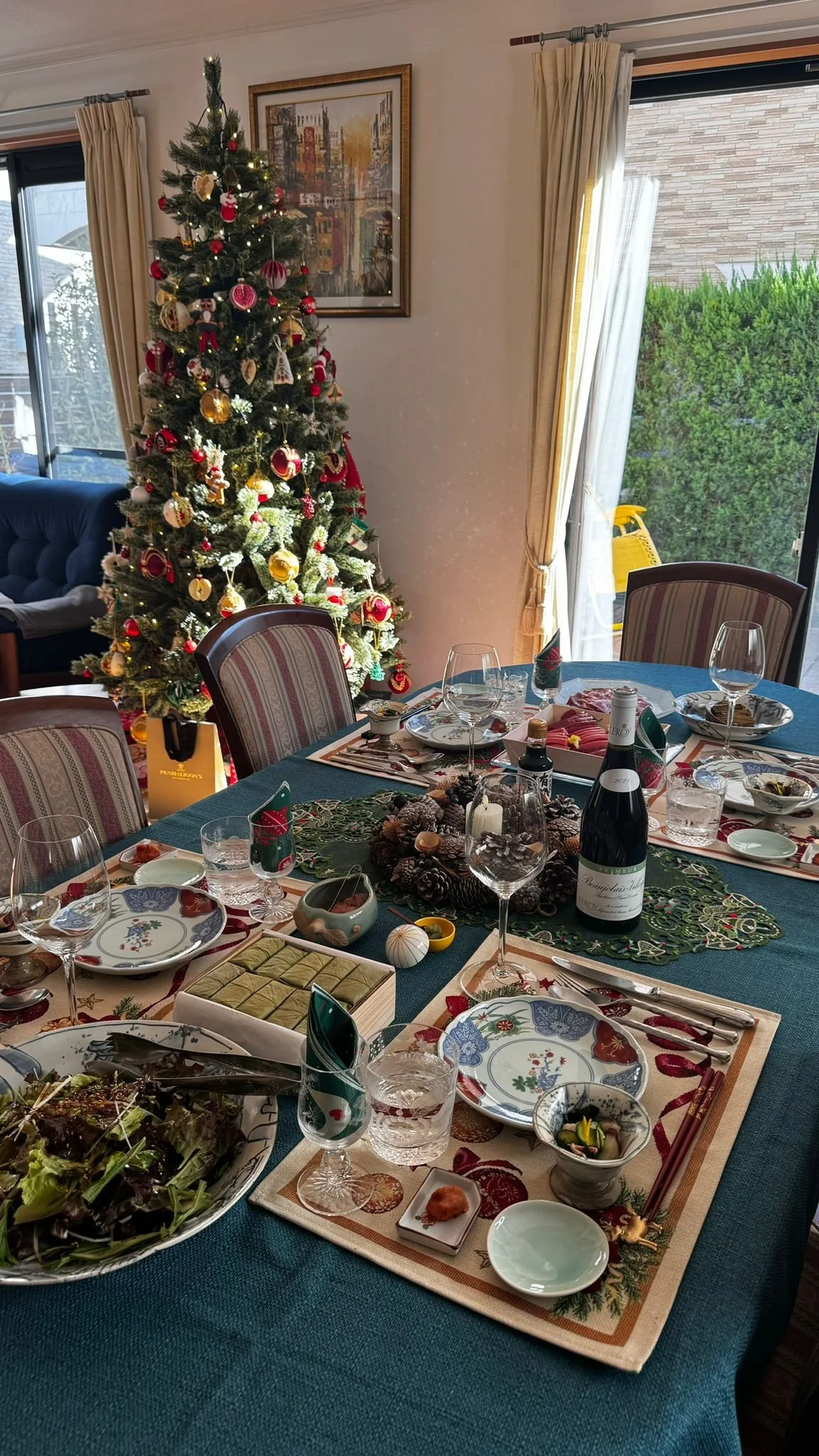
Salads and other side dishes can be prepared in advance. Serving them attractively on a large platter makes the table look even more elegant and appealing.- How to Host a Home Party- Japanese Home Cooking Class in Tokyo
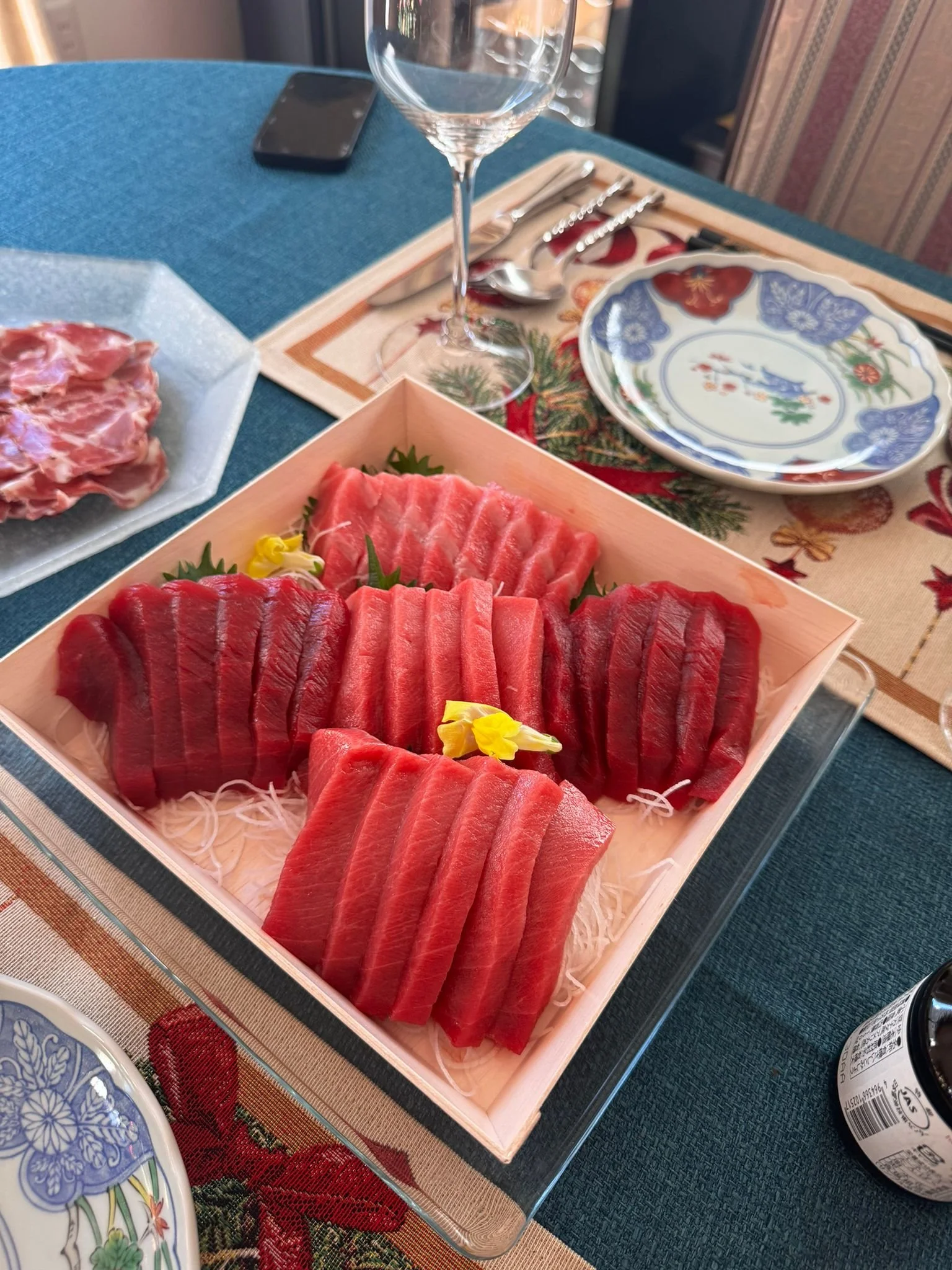
Feel free to arrange the items you bought. Using different plates will give it a more festive look.- How to Host a Home Party- Japanese Home Cooking Class in Tokyo
1. Decisions to Make First
Date, time, and number of guests: If this is your first home party, a weekend afternoon or evening gathering lasting about two to three hours is recommended. An afternoon party feels casual and is less likely to run long, while an evening party allows everyone to enjoy drinks and food more leisurely. Including yourself, four to six people is an easy size to manage and encourages lively conversation.
Style: There are three main formats: the host prepares everything, everyone brings a dish, or guests cook together on the day. For a first-time host, a potluck or a format in which you make only the main dish and use deli items for the rest helps reduce the workload. Cooking together is also a good option because even people who are not confident in the kitchen can join in, and it naturally creates conversation.
Theme: Choosing one theme—such as a seasonal cooking party, wine tasting, gourmet food-tasting event, hot-pot party, or movie-and-snacks night—makes it easier to decide on the food, drinks, decorations, and background music. A theme also helps guests understand what to bring.
Whether to charge a fee: Decide clearly at the invitation stage whether the party will be fee-based, split the cost, or fully hosted by you. If you charge a fee, let guests know the amount as well as details such as “no gift necessary” or “drinks included,” so they do not need to worry.
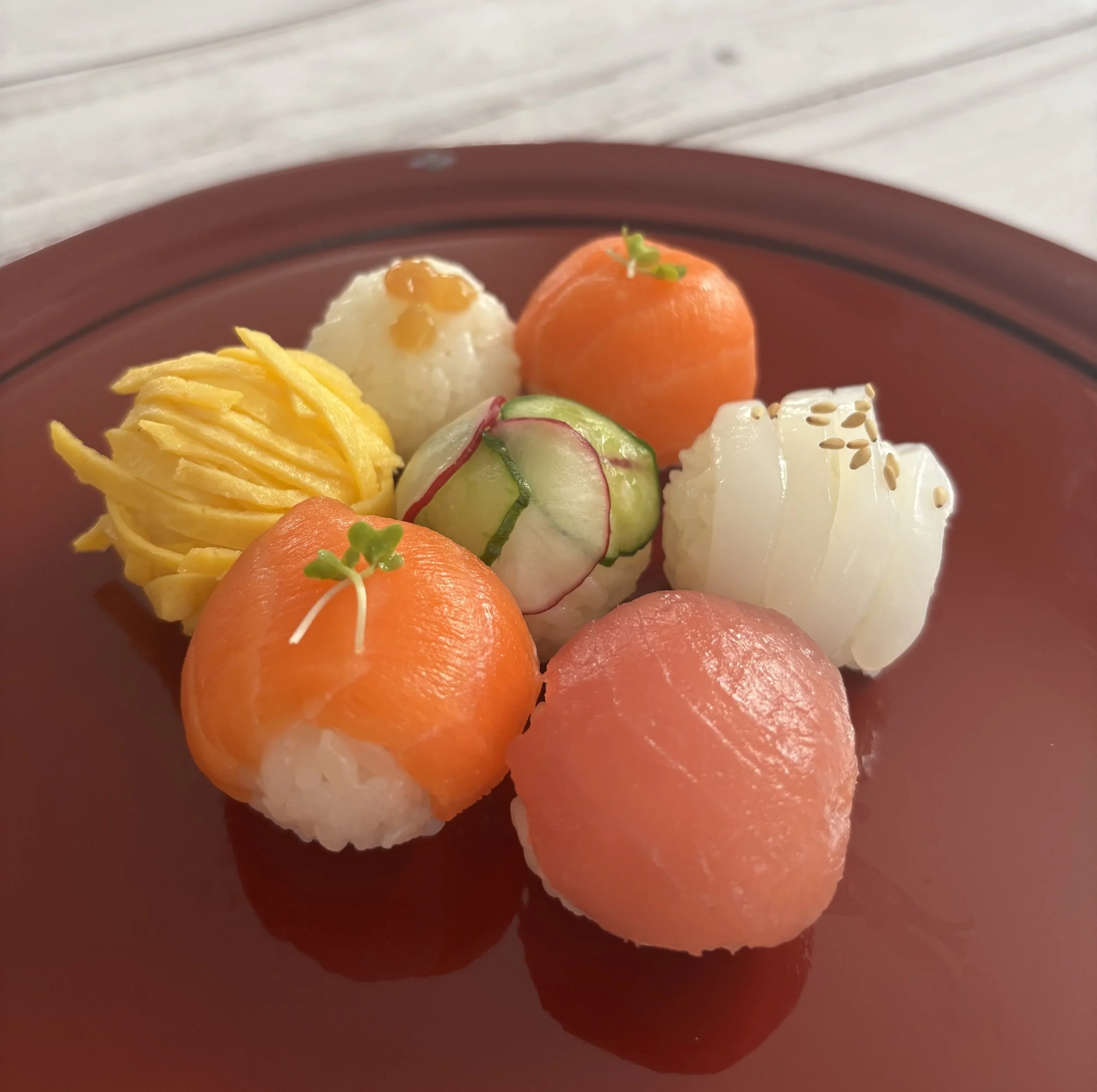
These temari sushi can be made simply by wrapping them in plastic wrap. For vegan guests, we can prepare them with vegetables. These can also be prepared the day before.- How to Host a Home Party- Japanese Home Cooking Class in Tokyo
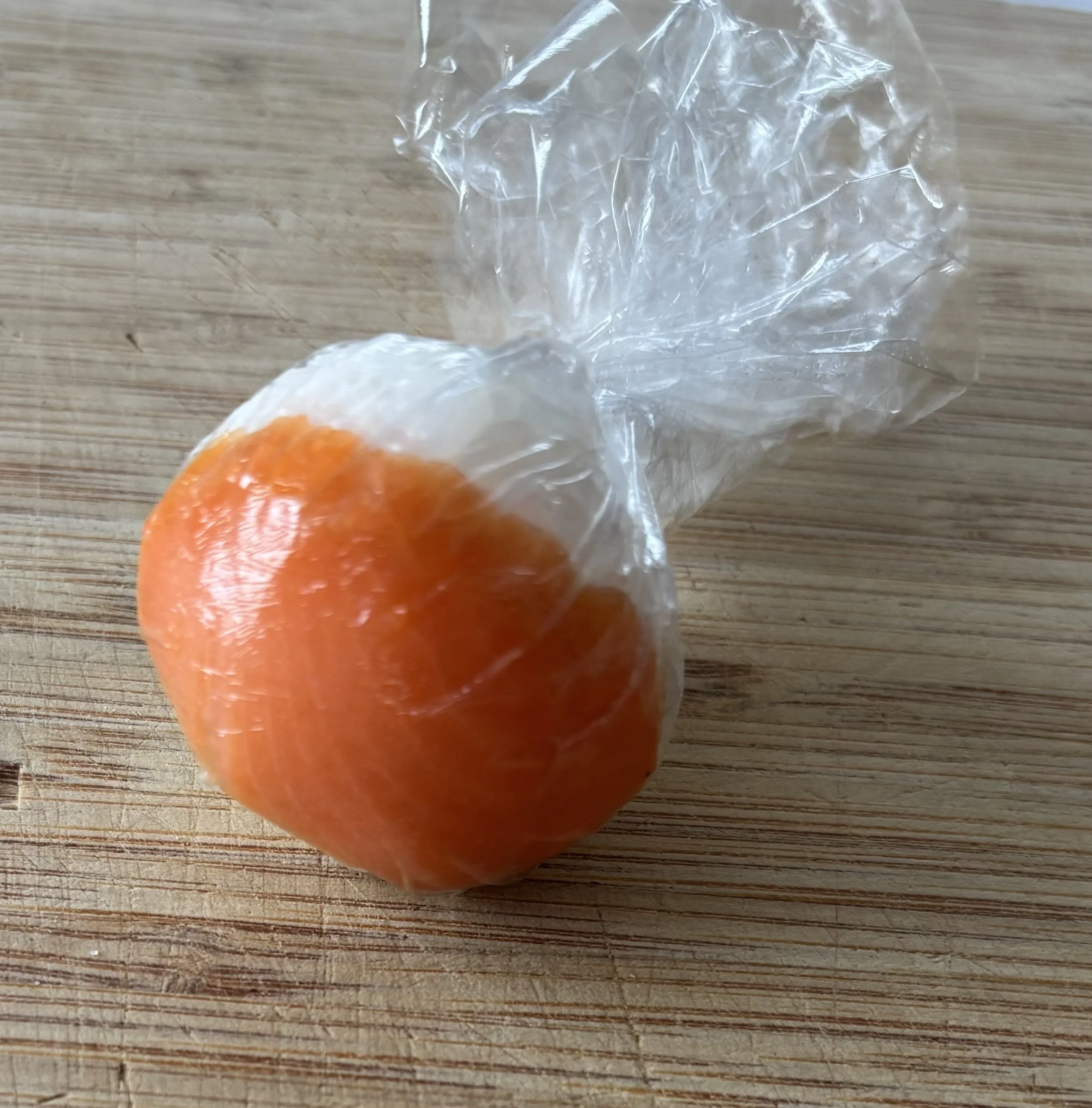
Salmon Temori sushi- How to Host a Home Party- Japanese Home Cooking Class in Tokyo
2. Invitations and Advance Confirmation
Send invitations early, including the date, end time, location, whether there is a fee, and whether guests should bring anything. Ideally, send the invitation one month in advance, or at least two weeks ahead, and send a reminder one week before. This makes it easier to coordinate attendance and plan your shopping. Letting guests know the end time from the start helps them plan their schedules and allows you to begin cleaning up without feeling rushed.
Be sure to confirm the following three points in advance:
Food allergies and dislikes: Check especially for allergies to eggs, dairy, wheat, nuts, and seafood. If a guest has an allergy, use separate cooking utensils and serving dishes to avoid cross-contamination.
Whether guests drink alcohol: Always provide non-alcoholic options so that guests who do not drink or who are driving can still enjoy the party.
Items guests will bring: Assign categories such as appetizers, drinks, and desserts to avoid duplicates. Making specific requests, such as “one appetizer” or “one drink,” helps create a balanced spread on the day.
3. Planning the Menu
Limit homemade dishes to one or two main items, and supplement side dishes, desserts, and drinks with store-bought food or guests’ contributions. Trying to make everything yourself can leave you overwhelmed by preparation and cleanup, leaving little time to enjoy the party.
What the host prepares: The main dish, rice or bread, and basic drinks. Curry, hot pot, pizza, and tacos are good choices because they are easy to serve to a group and difficult to get wrong.
What guests bring: Appetizers, desserts, wine, or soft drinks. Ask guests to bring items that can be served as they are or easily arranged on a plate.
What to buy or order: Appetizer platters, prepared side dishes, cake, and ice. Transferring store-bought items onto your own dishes can make the table look much more festive.
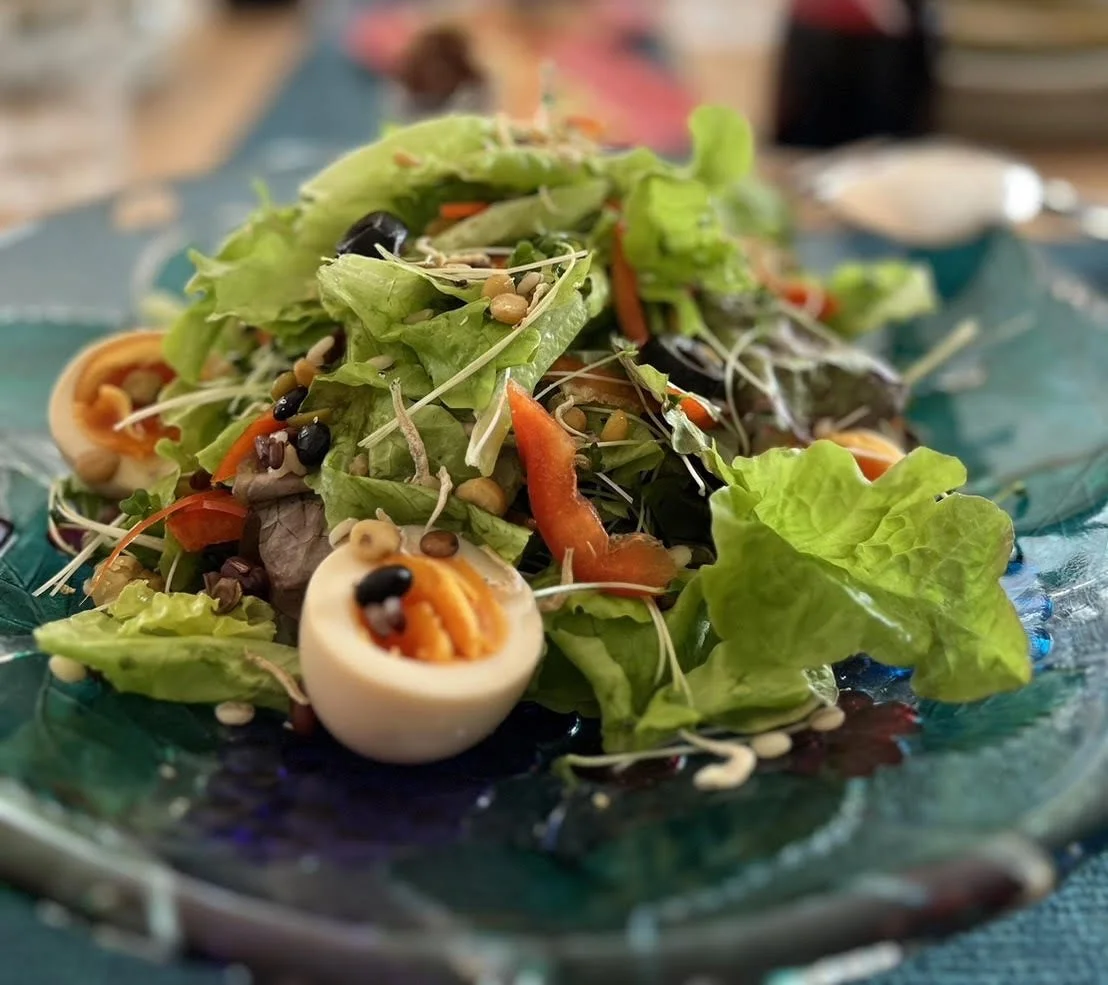
Easy Japanese Salad-How to Host a Home Party- Japanese Home Cooking and Sweets Class in Tokyo
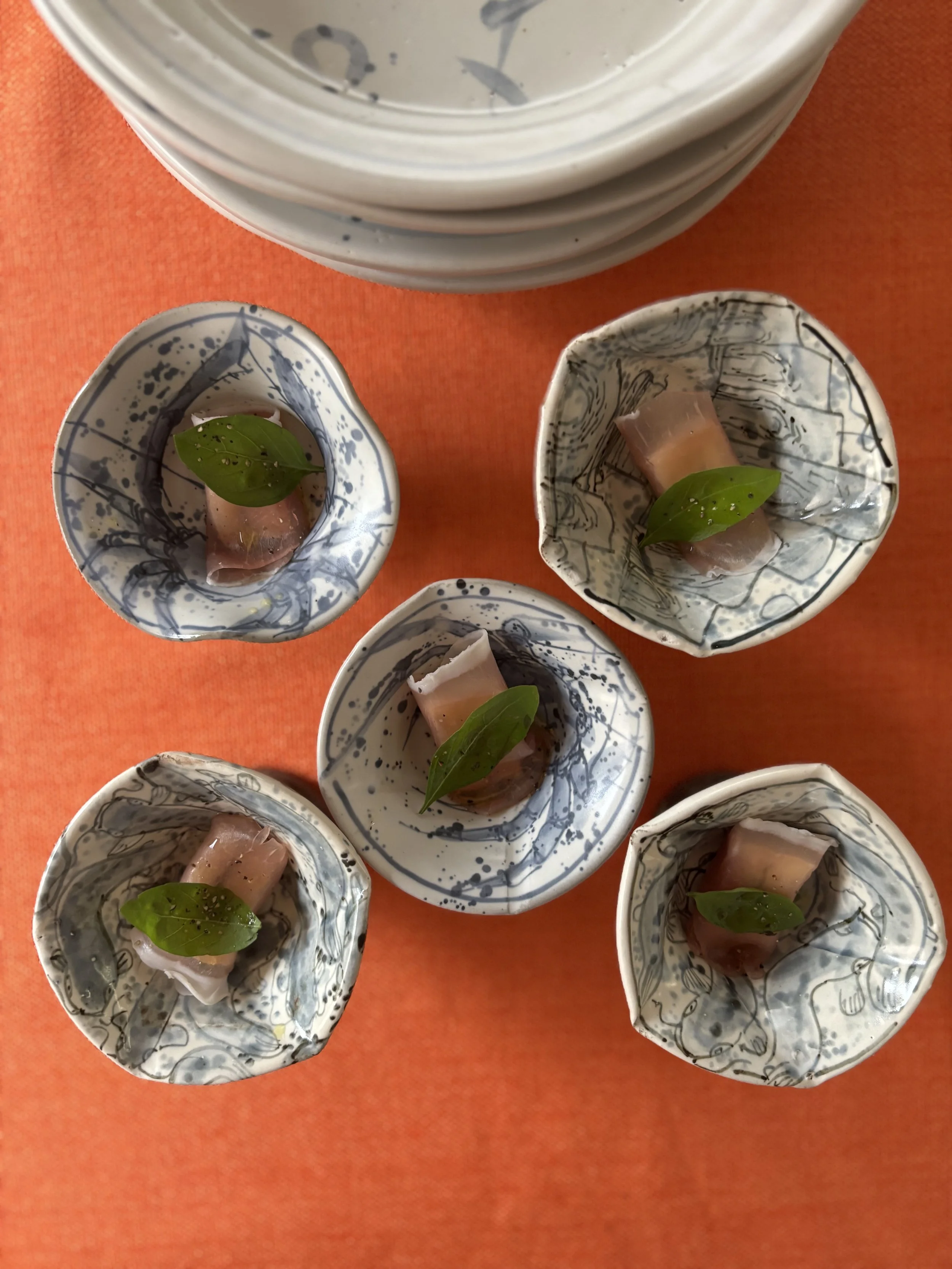
Tofu with Ham as appetizer- How to Host a Home Party- Japanese Home Cooking and Sweets Class in Tokyo
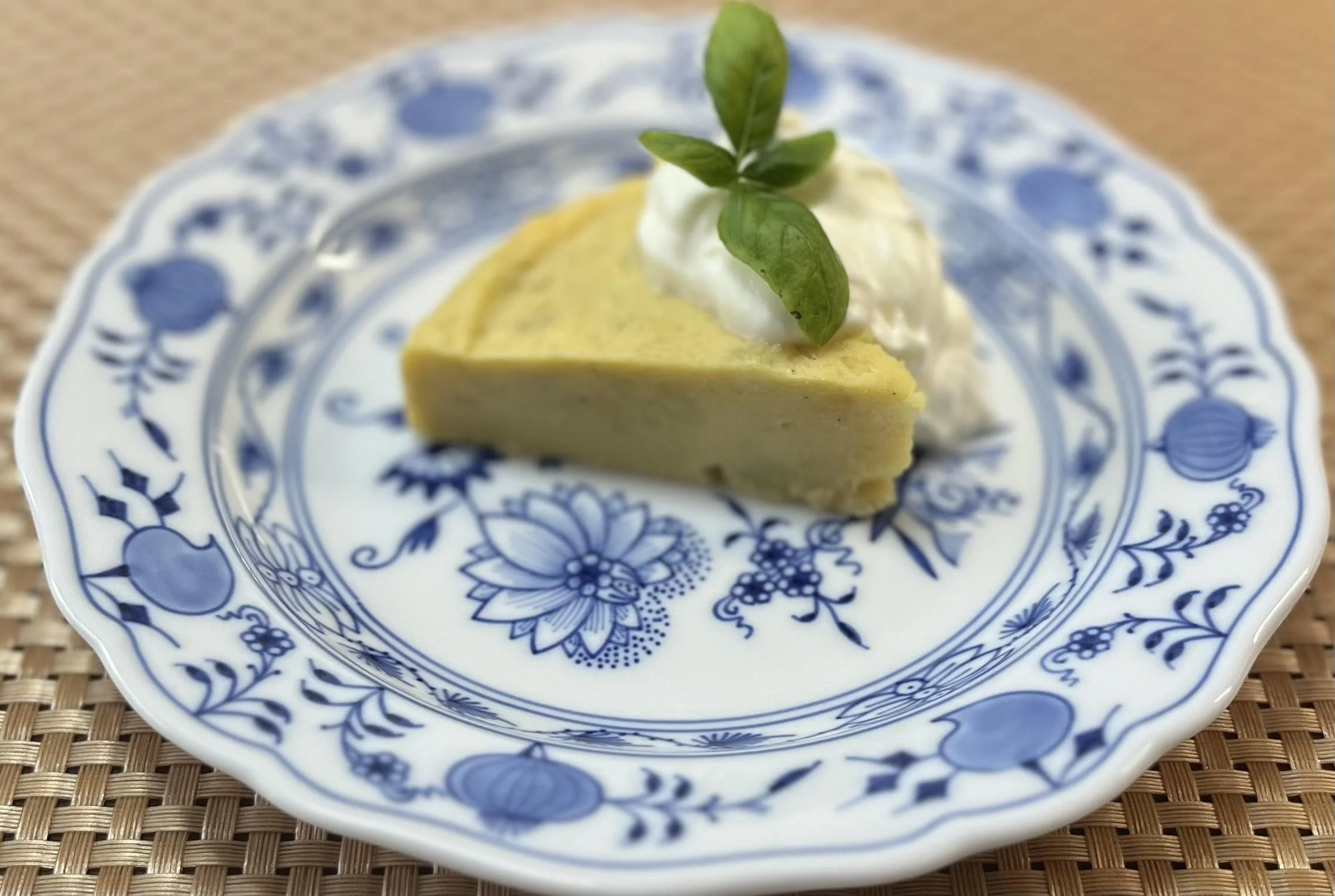
Sweet potato cake -How to Host a Home Party- Japanese Home Cooking and Sweets Class in Tokyo
In addition to alcoholic drinks, always provide non-alcoholic choices such as water, sparkling water, and juice. It is also helpful to check that you have ice, coasters, a bottle opener, and paper napkins.
4. Preparations to Finish by the Day Before
Clean the living room and dining area, as well as the entrance and bathroom. In particular, restock bathroom supplies so guests can use it comfortably.
Clear space in the refrigerator to make room for drinks and ingredients. Chilling drinks in advance makes it easier to serve them on the day.
Count your plates, glasses, and cutlery, and prepare paper plates or cups if you do not have enough. Attractive paper plates work well for a casual gathering.
Prepare dishes that can be made ahead—such as simmered dishes, marinades, and desserts—the day before. Ideally, all you need to do on the day is reheat, plate, and serve.
Check that you have a coat rack, slippers, garbage bags, toilet paper, and hand towels. A tidy entrance helps guests feel at ease from the moment they arrive.
Think about the flow of the room as well. Making the locations of drinks, dishes, and the trash bin easy to see allows guests to help themselves and reduces the host’s workload.
5. Flow on the Day
Thirty to sixty minutes before the start time, set out the food, drinks, and tableware, and put on background music. Keep the volume low enough for conversation, and use lighting that is neither too bright nor too dark to create a pleasant atmosphere.
When guests arrive, accept their gifts, check them privately rather than opening them immediately, and express your thanks. For fresh sweets, ask whether they would like you to share them with everyone. Respect the guest’s wishes about whether the gift should be served immediately, enjoyed later, or taken home.
After the toast, introduce guests who are meeting for the first time and make sure no one is left out of the conversation. Adding a shared topic, such as “Ms. Tanaka recently started learning pottery,” can make it easier for people to start talking.
Serve hot dishes at the right moment, and prepare them in a way that makes plating easy so you do not spend too long in the kitchen. Rather than serving everything at once, bring out a few dishes at a time; this also creates natural opportunities for conversation.
Stick to the planned end time. Separating cleanup into “things that can wait” and “things that need washing right away” makes it much easier. About thirty minutes before the end, naturally say something like, “Let’s start wrapping up soon,” so guests have time to prepare to leave.
Tips for Avoiding Common Mistakes
Do not aim for a perfect home or an elaborate meal. Simple snacks and drinks are more than enough; what matters most is a relaxed atmosphere.
Finish preparations by the day before and keep day-of tasks to a minimum. Ideally, your only jobs on the day are serving food, reheating dishes, and checking in with guests.
The host’s role is not only cooking but also introducing guests and shaping the atmosphere. If someone seems left out, subtly change the topic or connect them with another guest.
If you are hosting a larger group, combine homemade dishes with ready-made food. Five to six guests is ideal, and about eight is the practical limit if you are cooking everything yourself. As the guest list grows, incorporating potluck contributions or catering allows both the host and guests to enjoy the party.
Please book from here.