Tokyo to Osaka: A One-Night Getaway- Japanese home cooking class in Tokyo
The trip from Tokyo to Shin-Osaka Station on the Tokaido-Sanyo Shinkansen takes approximately 2.5 hours. Osaka shines brightest when balancing food, sights, and experiences.
Iconic photo spots abound, and above all, the cuisine offers authentic flavors at more affordable prices than Tokyo.
Come on, let's head to Japan's Latin Quarter—Osaka!
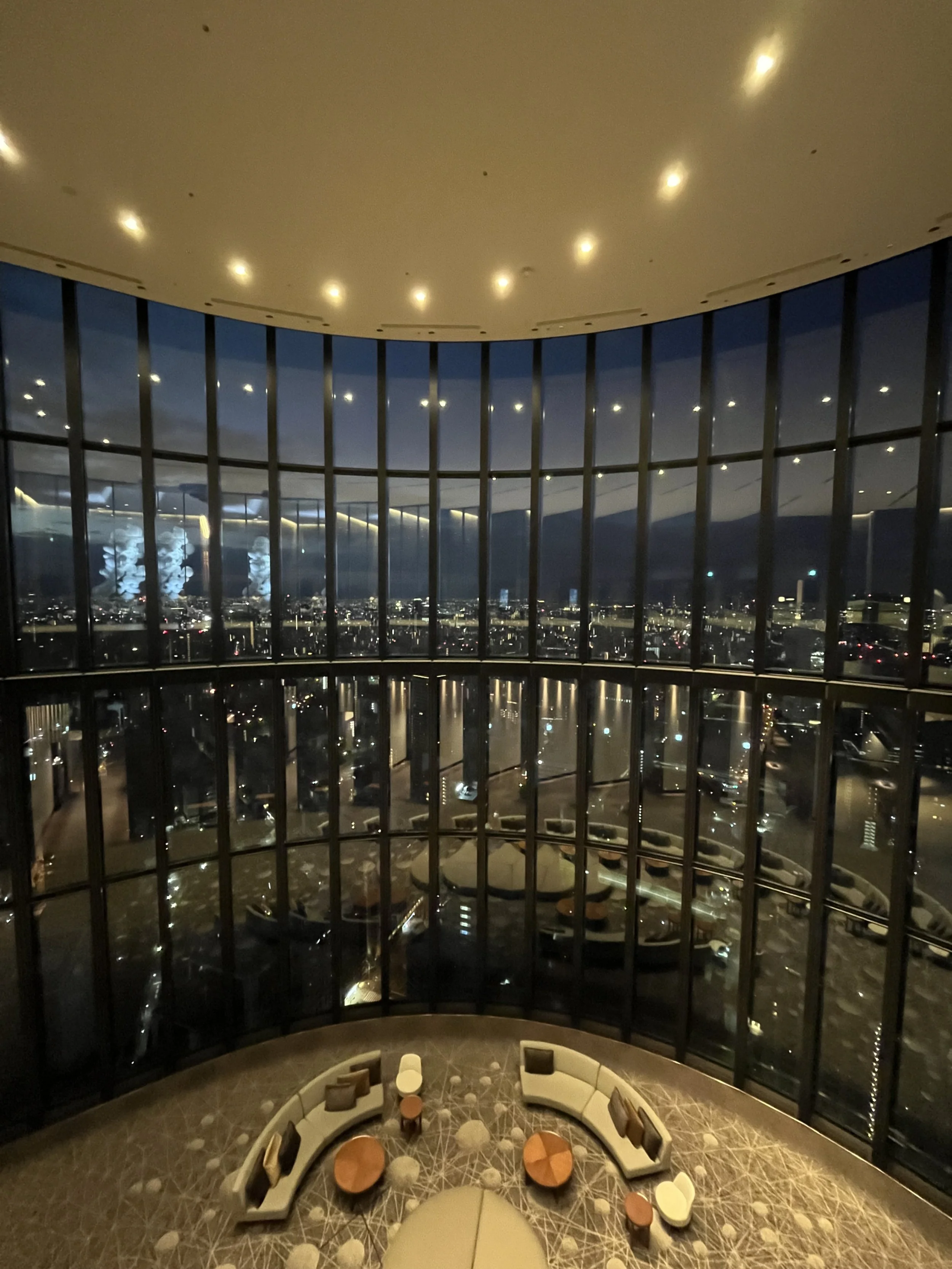
Conrad Osaka- Japanese home cooking class in Tokyo
Location and Access
Situated on floors 33–40 of the Nakanoshima Festival Tower West, it's directly connected to Watanabebashi and Hidoribashi subway stations, and about a 5-minute drive from JR Osaka Station. Address: 3-2-4 Nakanoshima, Kita-ku, Osaka City, Osaka Prefecture.
Facilities and Services
Features 164 rooms and suites, all non-smoking with free Wi-Fi, plus 3–4 restaurants (like teppanyaki "Kura," seafood "C:GRILL," and Atmos Dining), a bar, indoor pool, spa, fitness center, banquet halls, and chapel. Check-in at 3:00 PM; check-out at 12:00 PM.
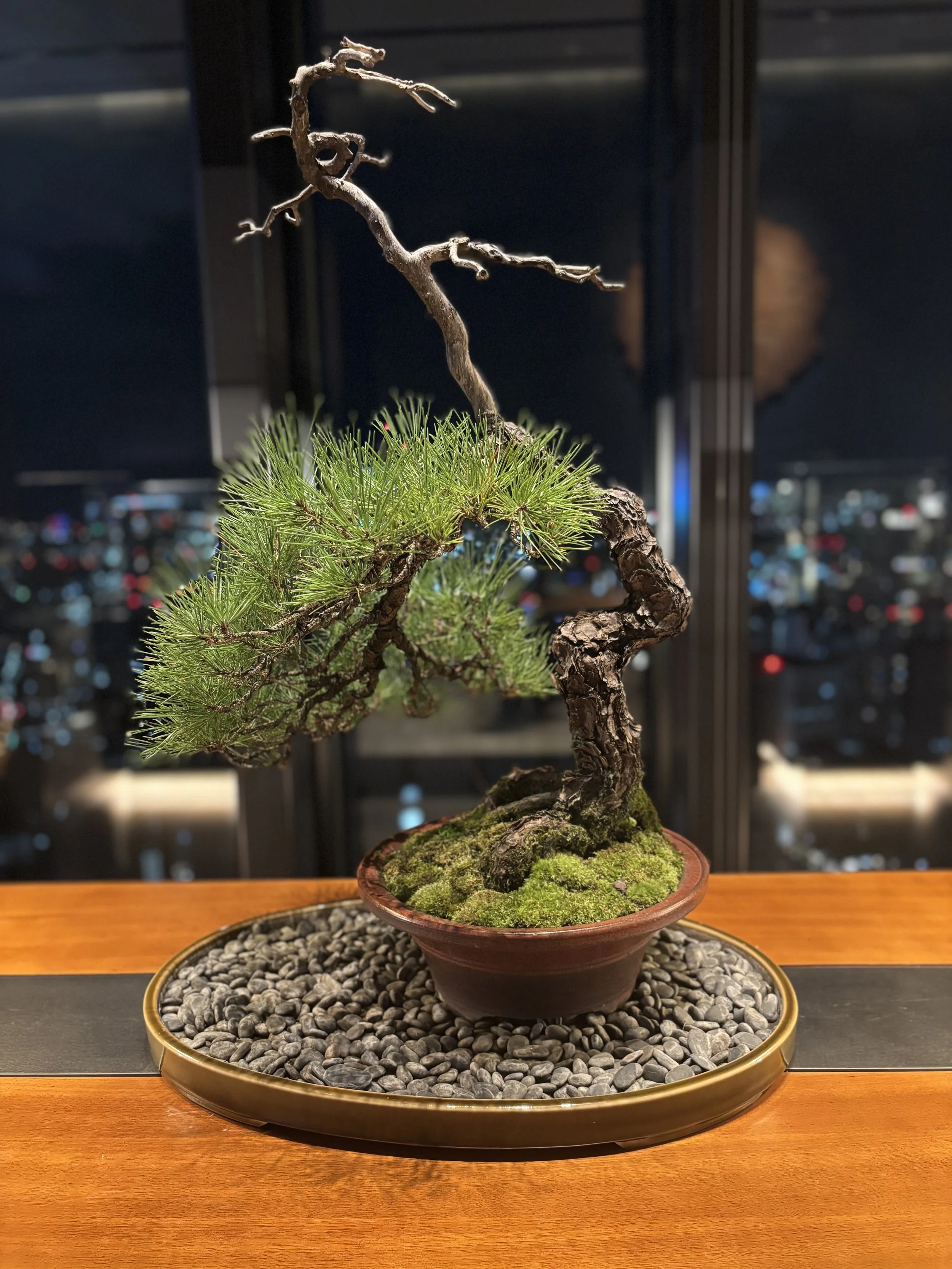
Conrad Osaka- Japanese home cooking class in Tokyo
Ratings and Highlights
Boasts a 4.6 Google rating from over 3,651 reviews, praised for stunning views, attentive staff, and suitability for weddings or conferences—perfectly positioned near Osaka's key areas.
Takoyaki is Osaka's iconic street food, consisting of ball-shaped dumplings filled with octopus and other ingredients. Often called "octopus balls" in English, it embodies the city's vibrant food culture.
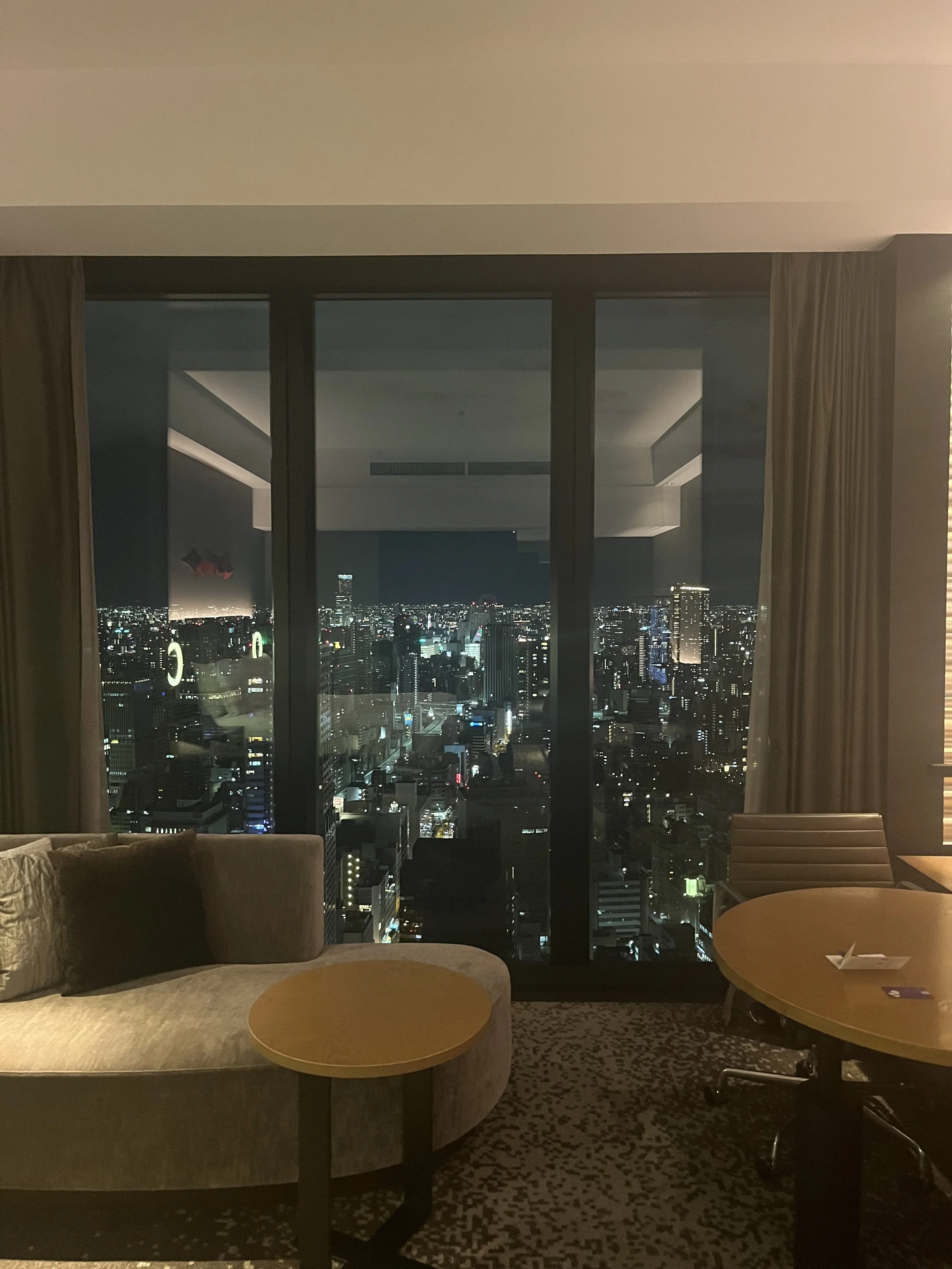
Conrad Osaka- Japanese home cooking class in Tokyo
Description
Takoyaki features a wheat flour batter mixed with dashi broth and eggs, poured into a special molded pan to form small spheres about 3-4 cm in diameter. Each ball contains a chunk of boiled octopus (tako), along with pickled ginger (beni shoga), green onions, and tempura scraps (tenkasu) for texture.
Preparation
Chefs pour batter into hemispherical molds, add fillings, and skillfully flip the half-formed balls with skewers until golden and crispy outside but soft inside. It's finished with a drizzle of tangy takoyaki sauce (similar to Worcestershire), Japanese mayonnaise, aonori seaweed flakes, and dancing bonito flakes (katsuobushi).
Origins and Popularity
Invented in Osaka in the 1930s by street vendor Tomekichi Endo, it evolved from precursors like akashiyaki and exploded postwar with imported wheat flour. Ubiquitous at Dotonbori stalls, festivals, and even vending machines, it's a must-try snack symbolizing Osaka's "kuidaore" (eat till you drop) spirit.
Variations and Tips
Classic spots like Wanaka or Aizuya offer standards, while twists include cheese, bacon, or whole baby octopus. Pair with beer at yatai carts; for authenticity, visit during evening peak hours in Namba or Dotonbori.
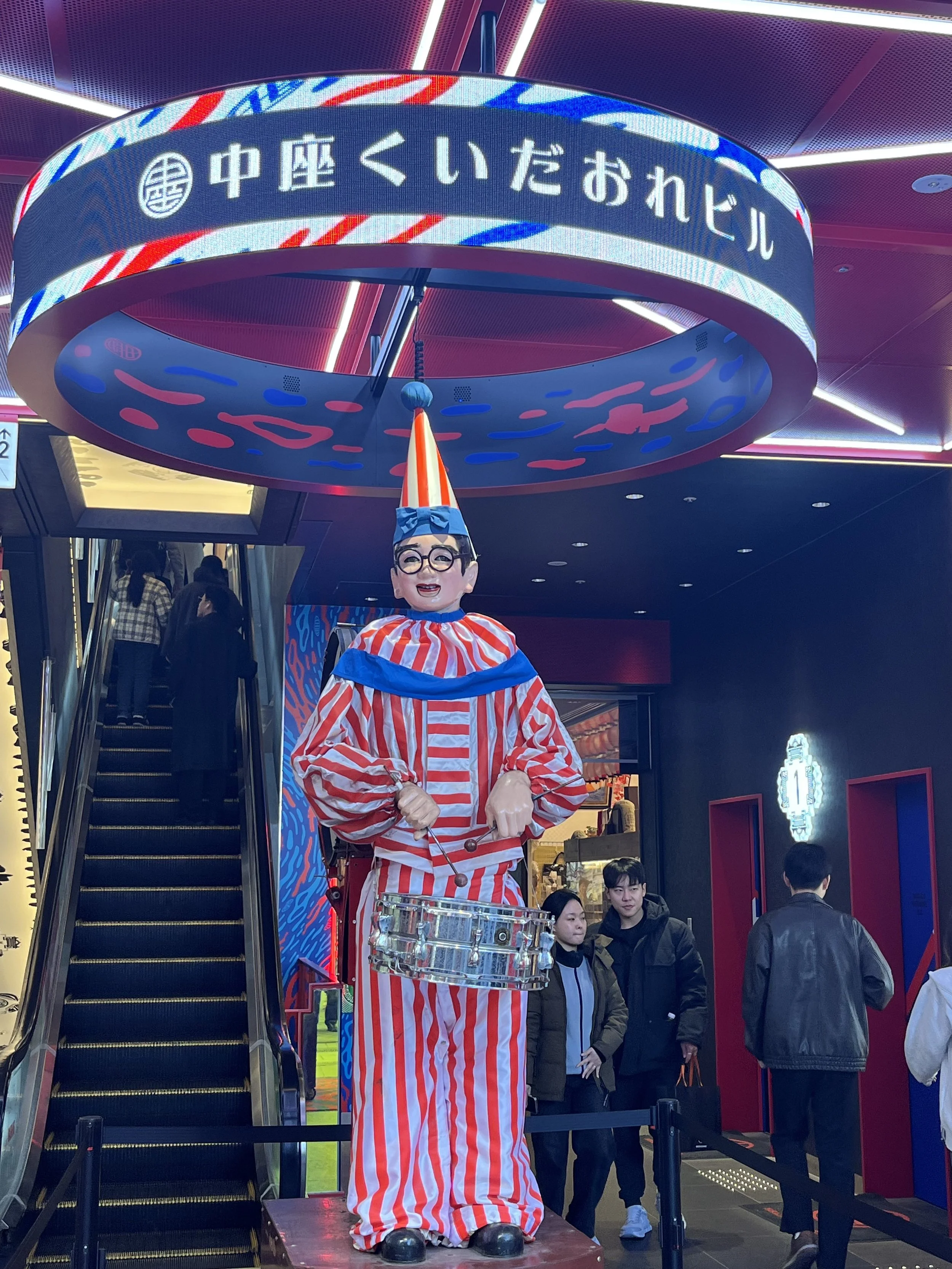
KUIDAOLE- Nanba, OSAKA- Japanese home cooking class in Tokyo
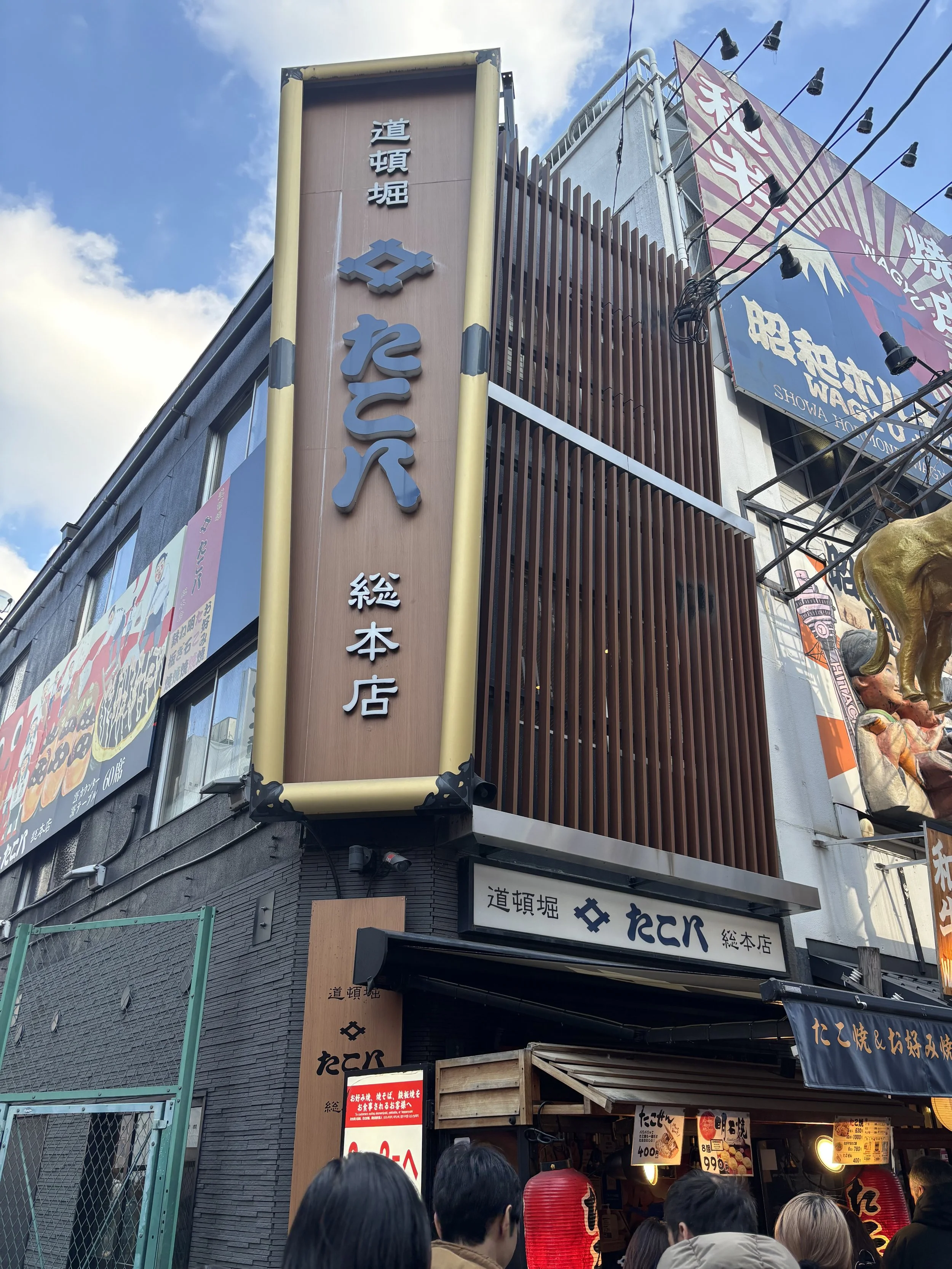
Dotonbori (Namba) is Osaka's iconic food street, packed with neon signs and bustling stalls serving takoyaki, okonomiyaki, kushikatsu, and more.
Glico Man sign and the giant moving crab billboard offer prime photo spots, perfect for combining street food tasting with memorable snapshots.- Japanese home cooking class in Tokyo
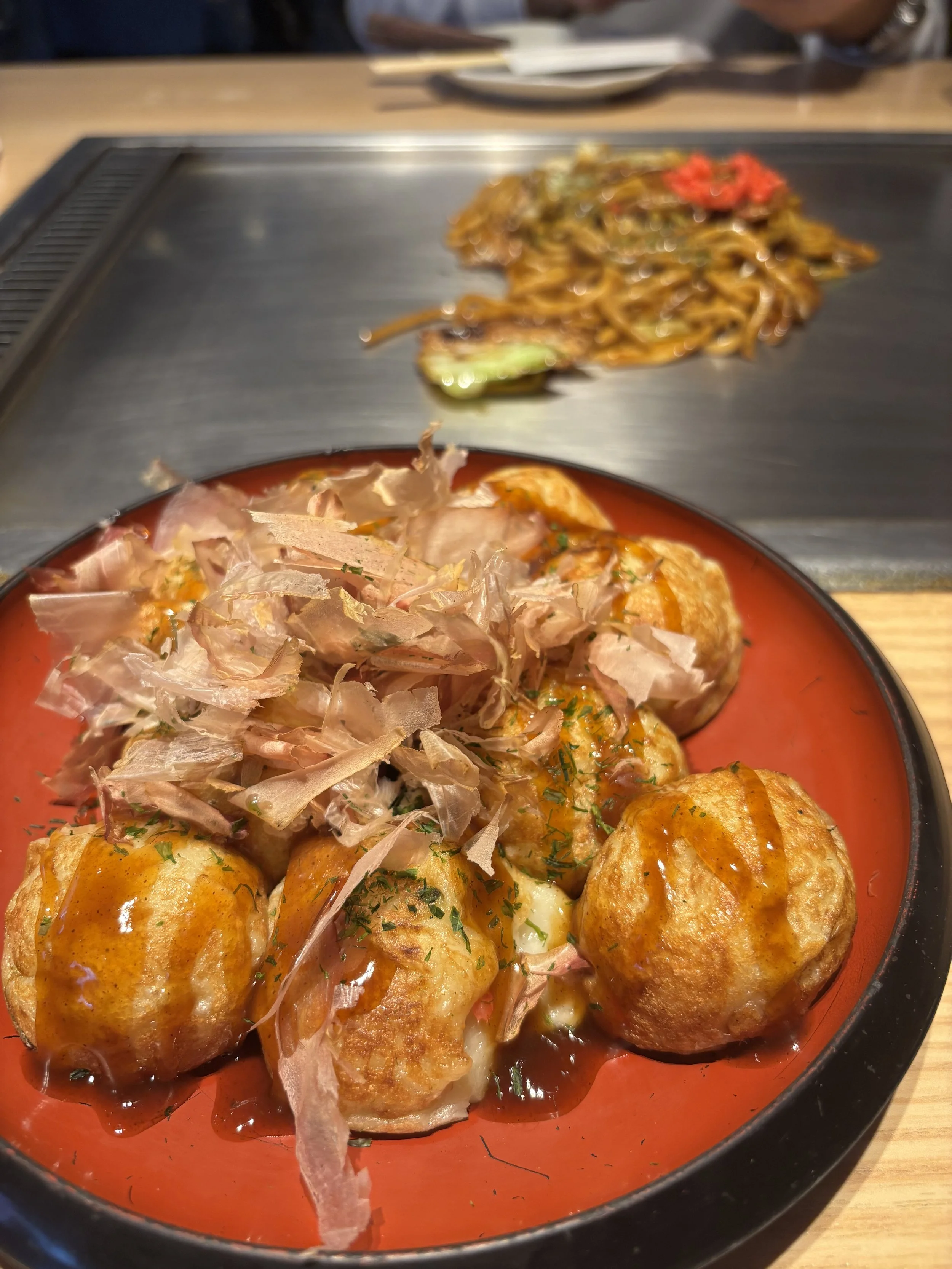
Yummy Takoyaki- Japanese home cooking class in Tokyo
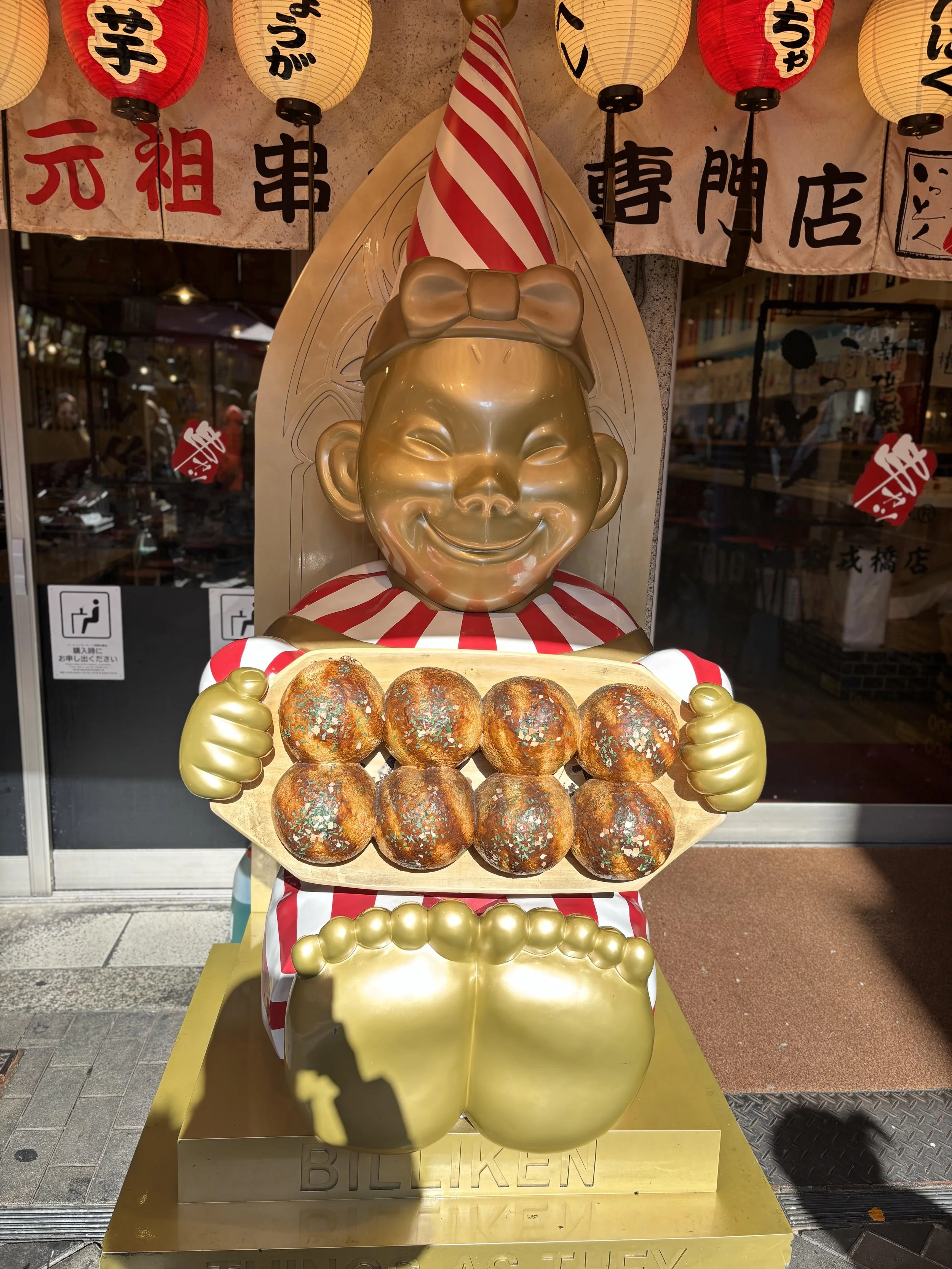
BILLIKEN- Japanese home cooking class in Tokyo
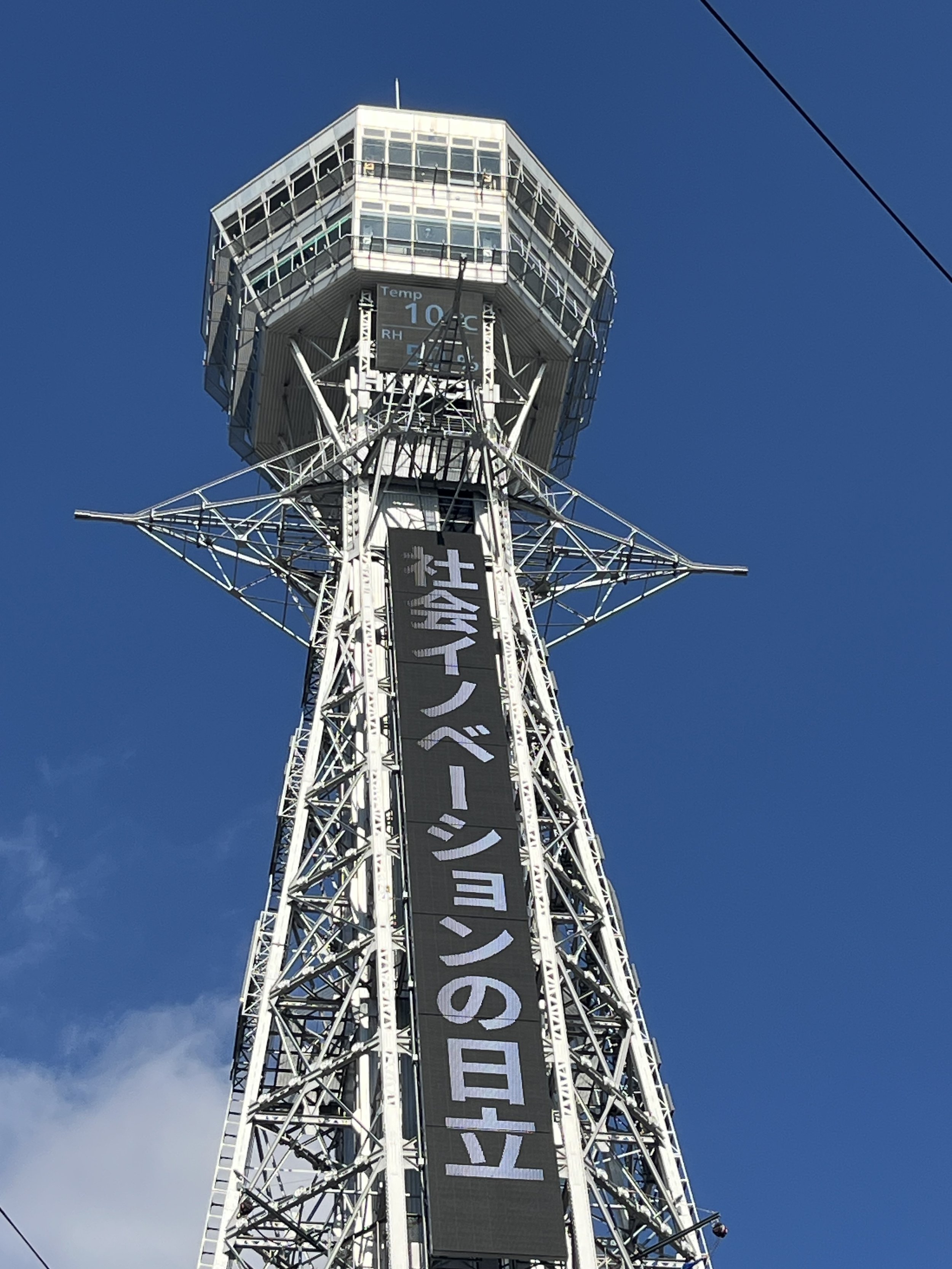
通天閣- Japanese home cooking class in Tokyo
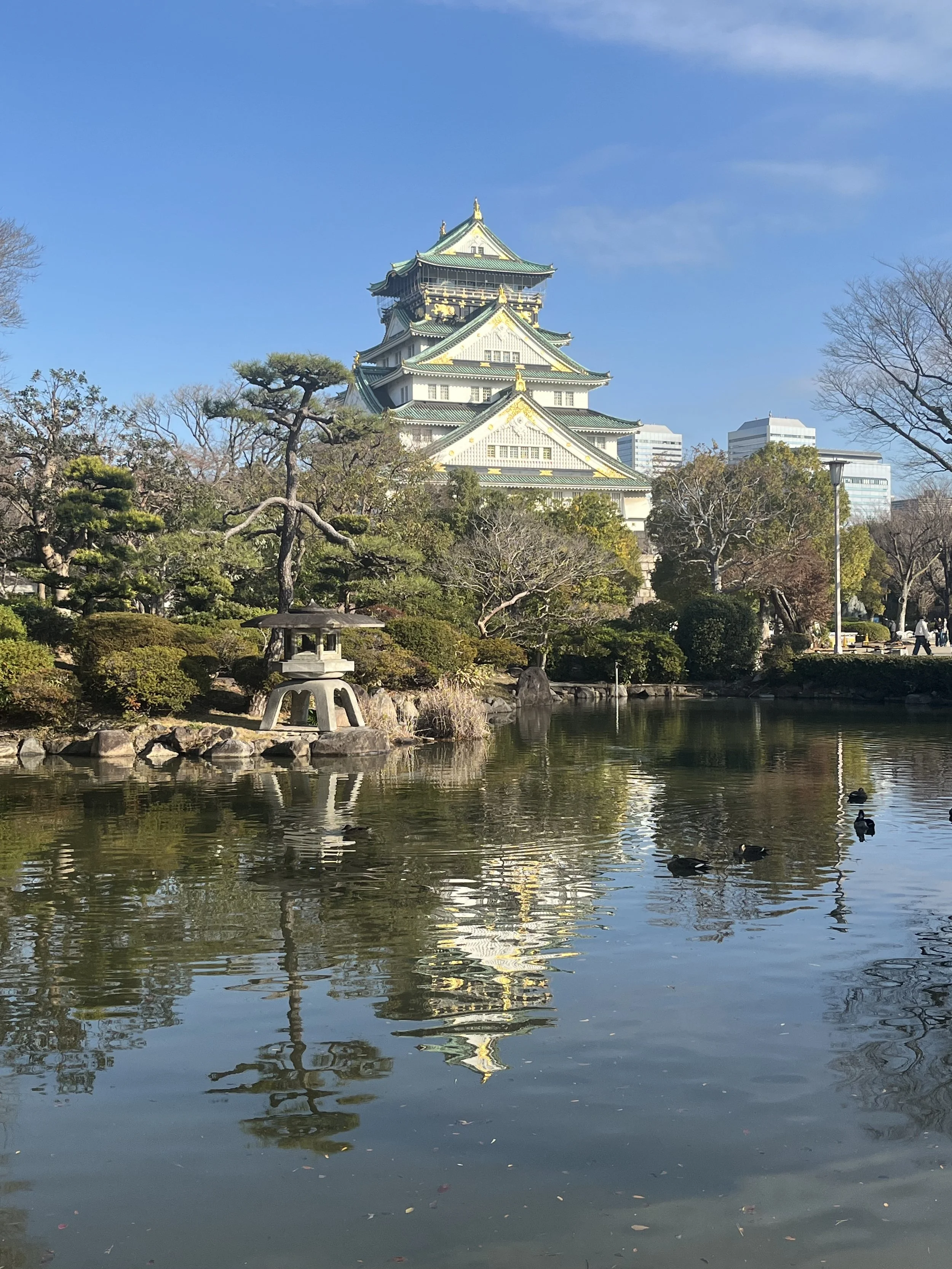
OOSAKA CASTLE:
Osaka Castle is an iconic symbol of Osaka, a historic landmark where Toyotomi Hideyoshi began construction in 1583. The current main keep was restored in 1931 through public donations and now serves as a museum.
Historical Background
Toyotomi Hideyoshi built Osaka Castle on the site of Ishiyama Hongan-ji Temple, where it flourished as a base for unifying Japan. It burned down during the Siege of Osaka, after which Tokugawa Ieyasu rebuilt it, making it a key stronghold for western Japan in the Edo period. From the Meiji era onward, it functioned as a military facility before becoming a designated special historic site today.
Main Attractions
The main keep features gold leaf decorations, stands 55 meters tall as a five-story, eight-level structure, and houses historical exhibits inside. The surrounding Osaka Castle Park is famous for cherry blossoms, with gardens, the Otemon Gate, and 13 important cultural properties available to explore. Its golden exterior and shachihoko (mythical creature) ornaments make it highly photogenic.
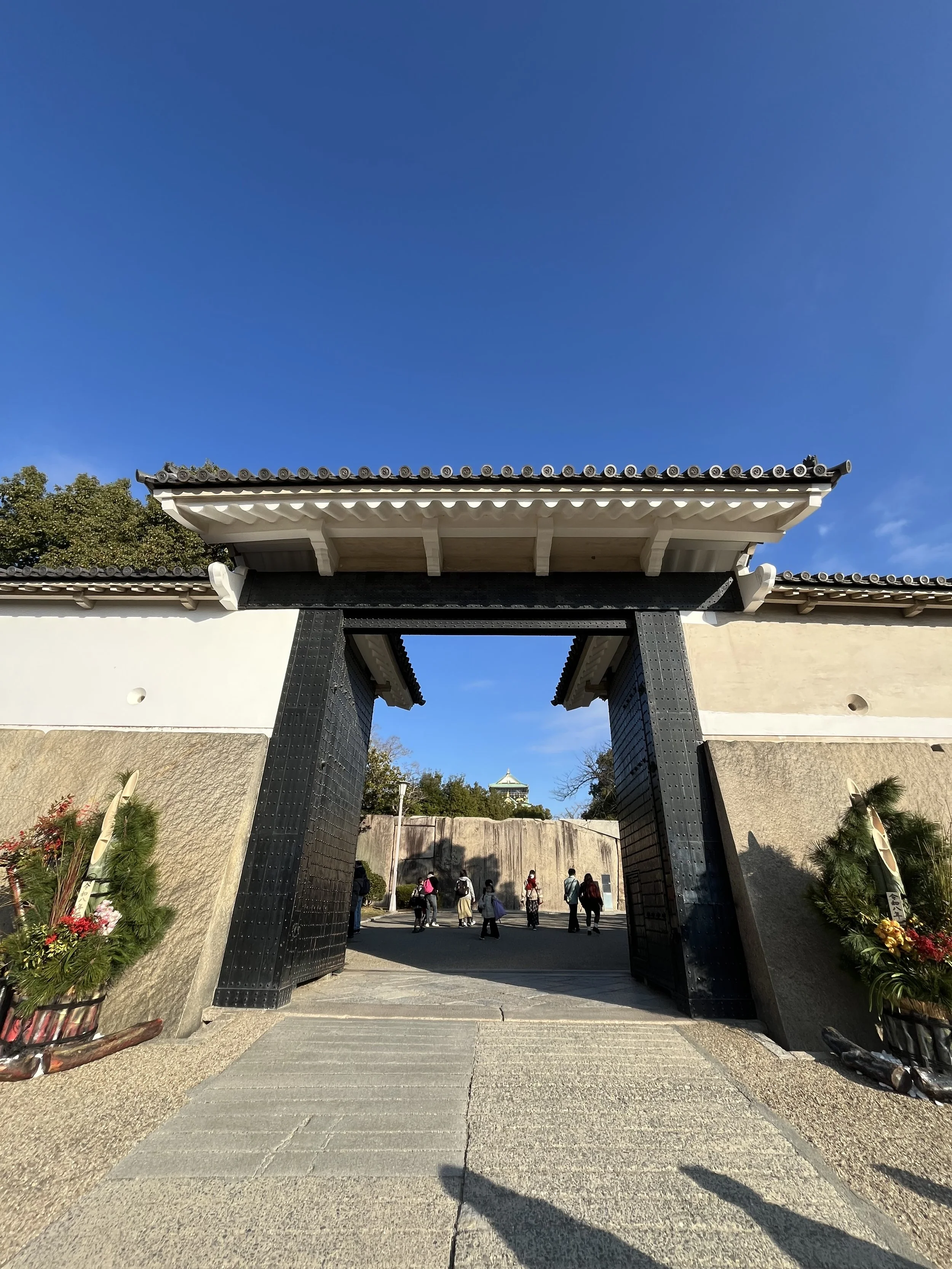
Osaka Castle- Japanese home cooking class in Tokyo